
Gastrointestinal manifestations of diabetes mellitus

Gastrointestinal manifestations in people with type 1 or type 2 diabetes are common, varied and observed throughout the gastrointestinal tract. People with diabetes report a higher frequency of gastrointestinal symptoms compared with those without diabetes. Gastroparesis, or abnormally delayed gastric emptying, is the most well-characterised gastrointestinal manifestation in diabetes. A number of routinely prescribed antidiabetic medicines are also associated with adverse gastrointestinal effects.
- The gastrointestinal (GI) tract is commonly affected in both type 1 and type 2 diabetes, leading to increased morbidity and healthcare costs, and often presents a diagnostic and therapeutic challenge.
- Abnormalities of the function of the stomach remain the most studied in diabetes, although motility abnormalities have also been described in other parts of the GI tract such as the oesophagus, intestines and gallbladder.
- The correlation between GI motility and symptoms is relatively modest.
- There is a bidirectional relationship between gastric emptying and post-meal glucose levels irrespective of the presence of diabetes.
- Abnormally delayed gastric emptying (gastroparesis) is the characteristic upper GI abnormality in diabetes, and current treatment strategies for management are suboptimal.
- Routinely used antidiabetic medications such as metformin and glucagon-like peptide-1 receptor agonists often induce GI symptoms.
- Medical case reports of glucagon-like peptide-1 receptor agonist-induced gastroparesis have been published recently, and there are concerns of an increased risk of aspiration during the perioperative period while on these medications.
Diabetes can affect the entire gastrointestinal (GI) tract, and hence, symptomatology and presentations vary widely. GI symptoms can be classified according to their organ of origin in the GI tract. Accordingly, oesophageal symptoms can include dysphagia, heartburn or reflux; gastric symptoms can include nausea, vomiting, early satiety, postprandial fullness, abdominal pain and bloating; and intestinal symptoms can include constipation, diarrhoea and faecal incontinence. However, people may present with upper and lower GI symptoms, which can result in delayed diagnosis and treatment, and also represent a more severe phenotype.1,2
Many studies suggest that GI symptoms are reported more commonly in people with diabetes than in those without.3,4 The exact prevalence of GI symptoms in diabetes is not known, and reports vary widely, in part because of differences in methodologies, study populations and settings. For example, GI symptoms are more commonly reported when patients are evaluated at a tertiary referral centre compared with a community setting, but allowing for this, estimates suggest up to 70% of people with diabetes are affected.4-8 There may be a difference in the prevalence of GI symptoms between people with type 1 and type 2 diabetes, with a greater prevalence in the latter.9-11 Certain GI symptoms, particularly those arising from the lower GI tract, such as faecal incontinence, can be embarrassing and are often not volunteered by people unless specifically asked, which may lead to under-reporting. A phenomenon known as ‘symptom turnover’ is seen in those experiencing GI symptoms where individual symptoms appear or disappear over time, while the overall prevalence in a given population may remain stable.4,12
There is also likely a significant central neurological role in the manifestation of GI symptoms. GI symptoms are independently associated with anxiety and depression, as well as diabetes-related stress, and they negatively affect quality of life.13 We recently reported a high frequency and independent association between diabetes distress and GI symptoms in people with type 2 diabetes.13 Unfortunately, many studies continue to rely solely on self-reports when assessing GI symptoms. Validated questionnaires exist to quantify and monitor GI symptoms and should be used more frequently. Examples of these instruments include the Patient Assessment of Gastrointestinal Disorders Symptoms questionnaire, Gastroparesis Cardinal Symptom Index and Diabetes Bowel Symptom Questionnaire. The effect of acute glycaemic control on the improvement of GI symptoms remains uncertain.14
The oesophagus
Impaired oesophageal function is common in people with diabetes, although it has not been extensively studied. Some studies have also revealed an improvement in oesophageal symptoms, such as heartburn and nausea, in populations with type 1 diabetes compared with control populations, although this has not been consistently confirmed and the implications are unclear.15 Diabetes is regarded as an independent risk factor for ‘pill-induced oesophagitis’, which occurs due to the delayed transit of medication through the oesophagus as a result of impaired oesophageal motility, leading to prolonged exposure of the oesophagus to the medication.16 Autonomic neuropathy is believed to play at least a role in oesophageal dysmotility.17 Oesophageal dysmotility is affected by acute glycaemic changes and is known to be suppressed by hyperglycaemia.18,19 There is a poor correlation between oesophageal transit and gastric emptying.15 Oesophageal motility is weakly measured using oesophageal manometry, which is particularly useful in patients exhibiting dysphagia or unexplained chest pain, especially when structural causes have been excluded.20 Scintigraphy has been used for the measurement of oesophageal motility, but this has not been standardised and is not routinely used in clinical practice.
The management of oesophageal disorders in diabetes revolves around lifestyle interventions and metabolic control, including weight loss, dietary modifications, increased physical activity and improved glycaemic control. However, it should be appreciated that these recommendations lack a solid evidence base. Prokinetic agents, such as metoclopramide, domperidone and erythromycin, can be trialled in the management of oesophageal dysmotility; however, their clinical efficacy has not been established.21-23 In the case of pill-induced oesophagitis, treatment involves withdrawal of the offending medication where possible and the use of proton pump inhibitors. If ingesting the pill cannot be avoided, a general recommendation is to drink about 100 mL of water immediately after taking the pill and to avoid a recumbent position for a few minutes after swallowing. For nonerosive gastro-oesophageal reflux disease, treatment includes lifestyle measures, elevating the head of the bed by 30° while sleeping and the use of proton pump inhibitors.
The stomach
The stomach is the most comprehensively studied GI organ in terms of our understanding of the impact of diabetes, and specifically, gastric emptying. Gastric emptying is the complex, co-ordinated process of delivering chyme from the stomach to the small intestine. The rate of gastric emptying exhibits a wide interindividual variation, usually ranging between 1 and 3 kcal/min in healthy people.24,25 This variation is even greater in people with diabetes, as a significant proportion have abnormally delayed emptying (gastroparesis) and a few have, paradoxically, rapid emptying.26,27 The rate of gastric emptying is particularly relevant as it is a major determinant of post-meal glucose levels in people with and without diabetes and may, hence, influence treatment regimens. The natural variation in gastric emptying is thought to account for at least 30% of the variance in the initial post-meal glucose response (0–30 minutes post-meal) in health.28
The relationship between the rate of gastric emptying and post-meal glucose levels is time-dependent and dependent on glucose tolerance status (Figure).26,27,29 There is a suggestion that in people requiring insulin who have gastroparesis, there is an increased propensity to hypoglycaemia in the initial postprandial period, a phenomenon termed ‘gastric hypoglycaemia’.30,31 A small study in patients with type 1 diabetes and gastroparesis revealed lower insulin requirements in the first 120 minutes post-meal to maintain euglycaemia, but a greater requirement between 180 and 240 minutes, reflecting a mismatch between insulin delivery and blood glucose excursions.32
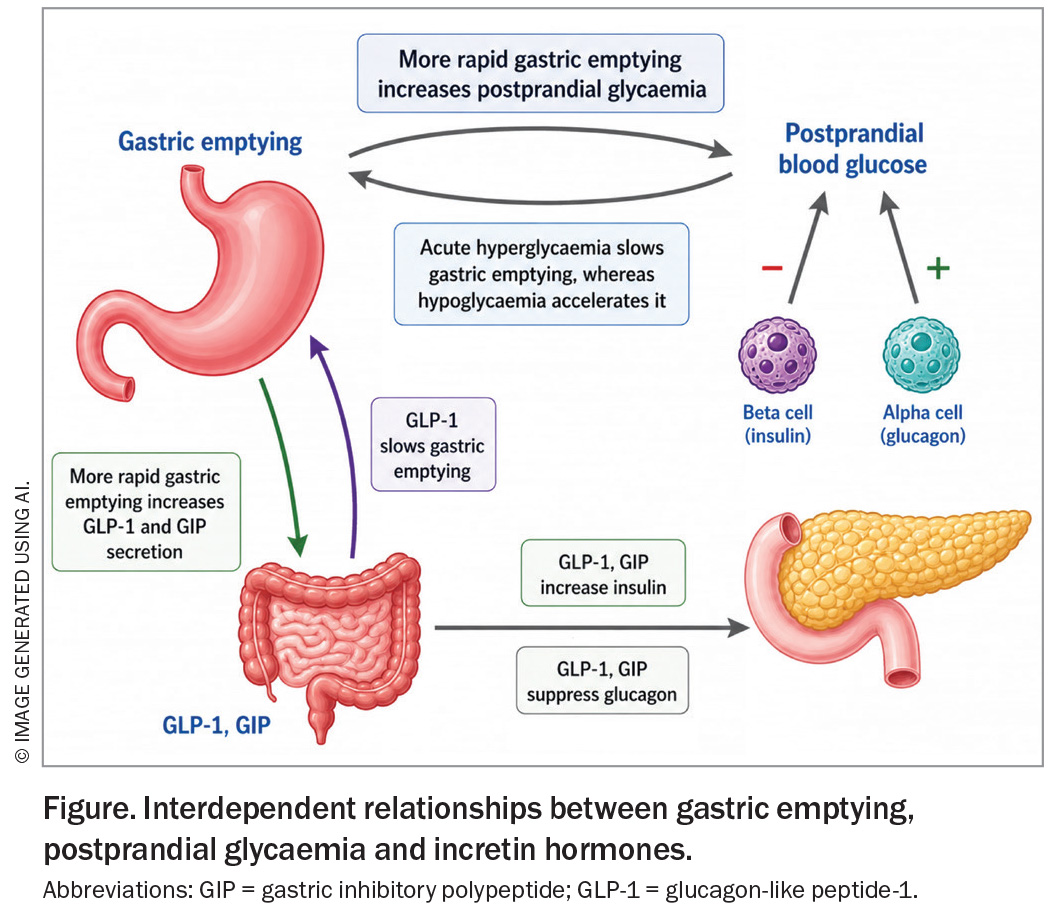
Acute glycaemic changes also affect gastric emptying.33 Acute hyperglycaemia slows gastric emptying in a dose-dependent manner. Conversely, acute hypoglycaemia accelerates gastric emptying, also in a dose-dependent fashion, and almost certainly represents an important GI counter-regulatory response to hypoglycaemia.33,34 Nutritional interventions, such as a nutrient preload (e.g. a small meal of whey protein or olive oil before a main meal), can slow gastric emptying and, thereby, reduce post-meal glucose excursions. Pharmacological agents can modulate gastric emptying. For instance, when gastric emptying is slowed by agents such as morphine, or accelerated by prokinetic agents such as erythromycin, there is a corresponding decrease or increase in the post-meal glucose excursions, respectively.35,36
Gastroparesis
The term ‘gastroparesis diabeticorum’ was coined by Paul Kassander in 1958 when describing increased gastric retention of barium in people with diabetes treated with insulin, who were notably asymptomatic.37 Gastroparesis is defined as abnormally delayed gastric emptying in the absence of mechanical obstruction.38
Diabetes is thought to account for at least one-third of cases of chronic gastroparesis and is not limited to people with advanced, poorly controlled diabetes, as previously believed.39 Conventional risk factors for diabetic gastroparesis include a long duration of diabetes, presence of other microvascular complications, smoking, obesity and female sex.40 The exact prevalence of diabetic gastroparesis is not known, with studies showing wide variation; the Diabetes Control and Complications Trial-Epidemiology of Diabetes Interventions and Complications analysis reported a prevalence of 47%.41 It is not clear if the prevalence varies between type 1 and type 2 diabetes. Although some studies suggest gastroparesis is more common in type 2 diabetes, the USA-funded National Institutes of Health Gastroparesis Clinical Research Consortium reported a comparable prevalence, especially in longstanding and poorly controlled diabetes.42 However, significant gaps exist in the literature, with fewer studies in type 2 diabetes, particularly in those diagnosed in youth. US hospital data suggest that both hospitalisations and healthcare costs related to diabetic gastroparesis have been on the rise over the past two decades.43 In well-controlled type 1 diabetes, the prevalence of gastroparesis may be lower, attesting to the importance of glycaemic control.
Normal gastric emptying is a complex, co-ordinated process involving the autonomic nervous system (enteric and vagal), specialised interstitial cells of Cajal or gastric pacemaker cells, GI musculature, gut hormones and peptides (e.g. cholecystokinin [CCK] and glucagon-like peptide-1 [GLP-1]) and immune cells. This process is modulated by feedback from nutrient interactions in the small intestine.44 Impairments in any of these components may lead to gastroparesis. A characteristic feature is the loss of interstitial cells of Cajal, likely secondary to immunological changes, such as a shift from protective M2 to M1 macrophages and impaired regulation of haem oxygenase-1, leading to oxidative stress.45-47 There are significant knowledge gaps that represent an area of active research.
There is a poor correlation between upper GI symptoms and gastric motility.15 Therefore, a diagnosis of diabetic gastroparesis should not be made without a formal measurement of gastric emptying. Scintigraphy is considered the gold-standard technique for this measurement, as it can precisely measure the emptying of both solid and liquid components of a meal. The American Neurogastroenterology and Motility Society and the Society of Nuclear Medicine have suggested a standardised meal for this test, comprising two egg whites, two slices of bread with jam (30 g) and water (120 mL).48 This meal contains 255 kilocalories with a macronutrient composition of 72% carbohydrates, 24% protein, 2% fat and 2% fibre. With this meal, gastroparesis is defined as an intragastric retention of more than 60% of the solid meal at two hours or more than 10% at four hours.49 The disadvantages of scintigraphy include the requirement for trained staff, cost and radiation exposure. Acceptable alternatives to scintigraphy include the 13C stable isotope breath test and ultrasonography.
Management of gastroparesis is often suboptimal. General dietary advice includes smaller, frequent meals with reduced particle size and avoidance of fibre and fat, although this is not based on rigorous clinical trial evidence.50,51 For people with symptomatic advanced gastroparesis, the diet should be formulated under the supervision of a trained and experienced dietitian. A thorough medication history should be performed, as many common medications, including some used for diabetes, can alter gastric and intestinal motility. There is some evidence to suggest that optimising glycaemic control is important. An uncontrolled UK-based study found that optimising glycaemic control with continuous subcutaneous insulin infusions in people with diabetic gastroparesis resulted in substantial reductions in hospitalisation, although this requires corroboration in other trials.52
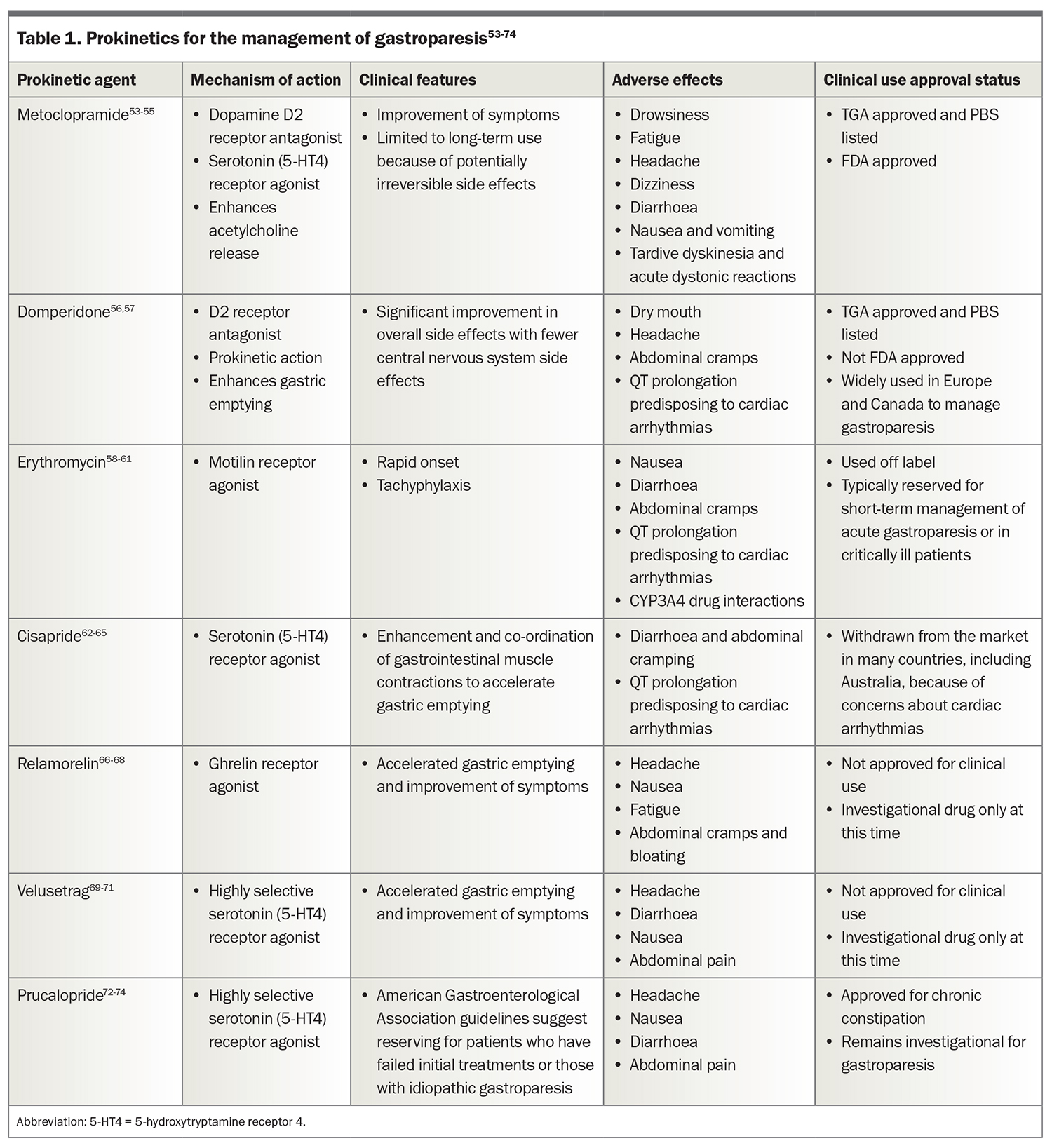
Pharmacological therapy is currently the mainstay of treatment for gastroparesis (Table 1).53-74 However, the evidence is based primarily on relatively short-duration trials with few head-to-head comparisons, and current agents may have considerable adverse effect profiles. Commonly used prokinetic agents include metoclopramide, domperidone and erythromycin. These pharmacological agents are also susceptible to tachyphylaxis, i.e. diminution of response over time. Cisapride, a previously used prokinetic drug, has been withdrawn from the market because of concerns about cardiac arrhythmias. There have been few trials on the use of antiemetics such as ondansetron and aprepitant in people with severe gastroparesis.75,76 Agents in development include ghrelin agonists (e.g. relamorelin) and highly selective serotonin type 4 receptor agonists (e.g. velusetrag and prucalopride). In people with refractory gastroparesis, gastric electrical stimulation (via a device) has been used and has shown success in open-label trials.77,78 However, the results of blinded studies have not been as promising. Recent studies have explored potential surgical approaches including gastric peroral endoscopic myotomy and combined electrical stimulation and pyloroplasty, with both approaches requiring further evaluation.79-81
The intestines
Chronic constipation
Chronic constipation is common in people with diabetes, although the reported prevalence varies substantially. One cohort study found that up to 25% of people with type 2 diabetes experience chronic constipation, with a higher prevalence observed in those with known autonomic neuropathy.82,83 A large study in the USA involving 5620 women with type 2 diabetes found that those with chronic constipation had more than twice the risk of mortality, suggesting that constipation may be an important symptom in this patient population.84 The reasons for this are not clear, but it has been suggested that chronic constipation may be a symptom of diabetes complications, and longitudinal studies are needed to evaluate the temporal relationship between the onset of chronic constipation and other diabetes complications.
The pathophysiology of chronic constipation in diabetes is multifactorial, involving microvascular, neuropathic and myopathic changes.85 The diagnosis of intestinal involvement in diabetes is primarily based on the patient’s history and the exclusion of other likely aetiologies. It should be recognised that there is currently no universally accepted definition of chronic constipation. Clinical tools, such as the Bristol Stool Form Scale, are commonly used as a visual aid. The Rome IV classification is a symptom-based system for functional GI disorders, including chronic constipation, but it is currently considered a research tool and is not widely used in clinical practice.
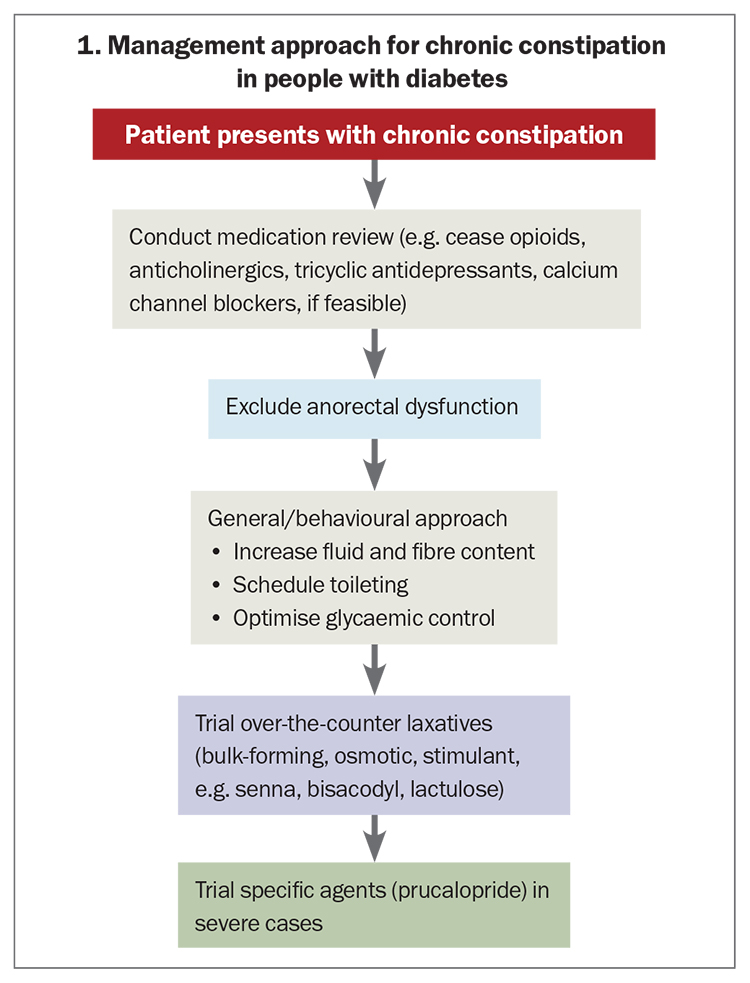
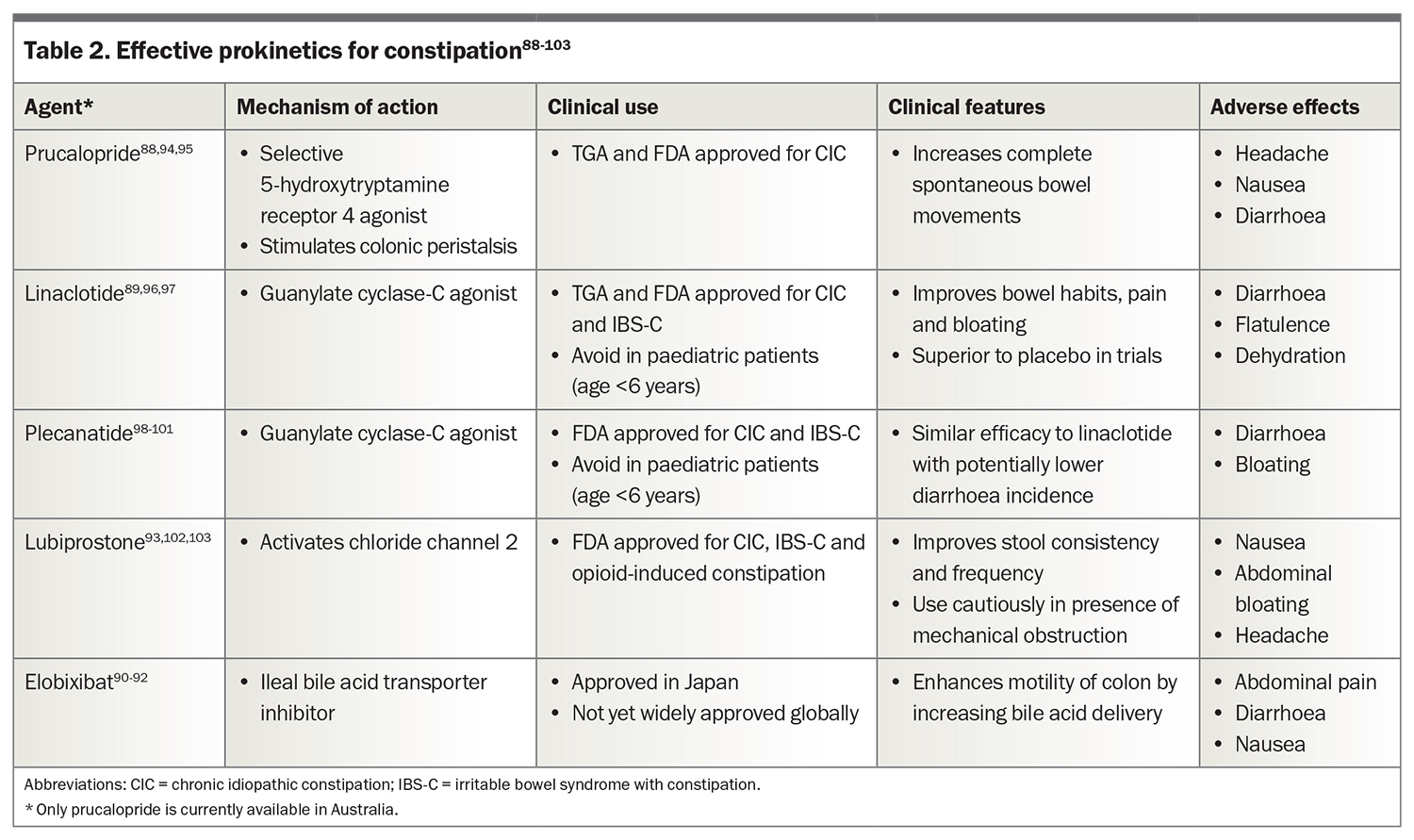
Initial management involves lifestyle and dietary modifications. Recommendations include a high-fibre diet, increased water intake and increased physical activity (Flowchart 1). Pharmacological treatment is offered if the symptoms are not managed adequately with lifestyle changes. Treatment typically involves laxatives. The Rome IV criteria recommend a stepwise approach: initial treatment with a bulk-forming agent, followed by an osmotic laxative and then a stimulant laxative if needed.86,87 An overview of the key prokinetic and motility-enhancing agents utilised in the treatment of constipation is presented in Table 2.88-103 Drugs such as prucalopride, linaclotide and plecanatide have consistently demonstrated efficacy in increasing bowel movement frequency and alleviating symptoms.88,89,104-106 In contrast, newer agents, such as lubiprostone and elobixibat, act via alternative mechanisms with promising outcomes, specifically through the activation of chloride channel 2 and bile acid transporters.90-93 Among these agents, only prucalopride is currently available in Australia.
Diabetic diarrhoea
Diabetic diarrhoea is characterised by chronic, watery, large-volume diarrhoea that is often painless with a predisposition to occur at night. The onset typically lasts for more than six weeks. It is non-bloody and often occurs in the setting of poorly controlled diabetes. The National Health and Nutrition Examination Survey data suggest that chronic diarrhoea is almost twice as common in people with type 1 and type 2 diabetes compared with nondiabetic controls (about 11% vs 6%).107 Diabetic diarrhoea is more commonly seen in women, with a 3:2 ratio.40,107
The pathophysiology of diabetic diarrhoea is complex and has conventionally been regarded as a manifestation of autonomic neuropathy.108 It is now understood that in addition to neuropathy of the enteric nervous system, the pathogenesis also involves a loss of interstitial cells of Cajal, enteric glial cell dysfunction, oxidative stress and inflammation.109
Enteric glial cells, specialised peripheral neuroglial cells located within the enteric nervous system, play a crucial role in regulating enteric neurons and maintaining the integrity and function of the enteric nervous system. They have been shown to have multiple pivotal roles including GI immune regulation, motility and maintaining the intestinal epithelial barrier, as well as being a conduit for the gut–brain axis. Enteric glial cell dysfunction has been reported in diabetes, and these impairments may play a significant role in the development of enteric neuropathy.48,109-111
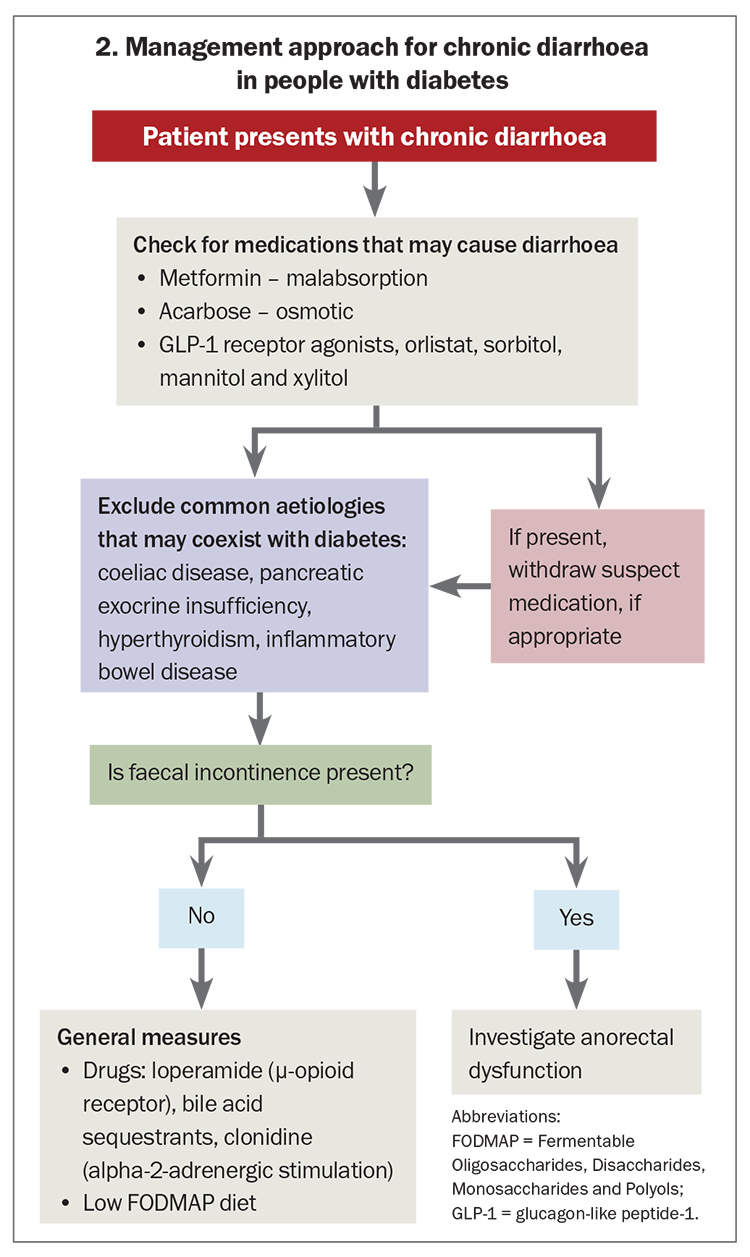
The diagnosis of diabetic diarrhoea is essentially clinical and one of exclusion. As diarrhoea is generally more common in people with diabetes, other important causes should be excluded. The differential diagnosis includes chronic diarrhoea secondary to antidiabetic medications (e.g. metformin, GLP-1 receptor agonists, acarbose), dietary factors, largely non-nutritive sweeteners, malabsorption syndromes (e.g. coeliac disease, exocrine pancreatic insufficiency), small intestinal bacterial overgrowth, irritable bowel syndrome, inflammatory bowel disease and microscopic colitis.109
The management of diabetic diarrhoea includes general measures such as resolving fluid and electrolyte imbalances, optimising glycaemic control and consuming a low FODMAP (Fermentable Oligosaccharides, Disaccharides, Monosaccharides and Polyols) diet. 109 A number of pharmacological agents can be used, although high-quality evidence to support these therapies is currently lacking.109 These agents include loperamide (a mu-opioid receptor agonist), bile acid sequestrants (e.g. cholestyramine, colesevelam), clonidine, octreotide and ondansetron. A management approach is presented in Flowchart 2.
Faecal incontinence
Faecal incontinence is an important yet often overlooked complication of diabetes, with substantial implications for quality of life. It impacts around 18% of people with diabetes and exhibits a higher prevalence than in those without diabetes.111,112 Autonomic neuropathy, resulting from hyperglycaemia-induced damage to the enteric nervous system that governs the internal and external anal sphincters, is the primary attributable factor.3 Certain glucose-lowering medications, such as metformin, may exacerbate faecal incontinence in susceptible people. The considerable negative impact of faecal incontinence on quality of life, its social stigma and the lack of routine screening pose barriers to accurate and early diagnosis.113 Early diagnosis and targeted treatment strategies, including glycaemic optimisation, management of diarrhoea and constipation, review of medications and pelvic floor and sphincter training, are key for improving both symptom burden and overall quality of life.114
The gallbladder
A number of studies, but not all, suggest that there is an increased incidence of gallstones in people with diabetes. Major predisposing factors for cholelithiasis, such as obesity, dyslipidaemia (increased triglycerides) and intestinal dysmotility, are more common in people with type 2 diabetes.115-117 GLP-1 receptor agonists are also associated with an increased prevalence of gallbladder-related disorders.118,119
Delayed post-meal gallbladder emptying in diabetes is referred to as diabetic cholecystoparesis; although it is frequently cited as contributing to gallstone formation, this has not been demonstrated conclusively.120 A role of autonomic neuropathy in the development of diabetic cholecystoparesis has been suggested but not clearly established. Similar to the stomach, glucose clamp studies have shown that acute hyperglycaemia slows gallbladder emptying.121 It has been suggested that delayed gastric emptying may also correlate with delayed gallbladder emptying, although this needs to be conclusively demonstrated.122,123 It has been hypothesised that the increased prevalence of gallbladder disorders with GLP-1 receptor agonists is secondary to an increased gallbladder refilling time.124 A role for the gastroduodenal peptide CCK has also been suggested in the impaired motility of the gallbladder in people with diabetes, including reduced sensitivity of the gallbladder smooth muscle to plasma CCK and a reduction in CCK receptors in the gallbladder wall.125 There is some evidence to support a role for increased dopaminergic activity.125,126 Scintigraphy is generally used to measure gallbladder emptying.125
Specific management options for diabetic cholecystoparesis are currently limited. The use of prokinetic agents in diabetic cholecystoparesis can be considered, but this is not supported by evidence-based guidelines. Agents that have some limited evidence in this regard include erythromycin, metoclopramide and levosulpiride (levosulpiride is not currently available in Australia).126-129
Gastrointestinal effects of antidiabetic medications
Diabetes itself can cause impaired GI function; however, commonly used antidiabetic medications are also associated with adverse GI effects. Up to 25% of people prescribed metformin, a biguanide and first-line oral agent for type 2 diabetes, report adverse GI effects, primarily diarrhoea and nausea.130,132 Although the precise mechanisms remain uncertain, effects on the liver and direct actions on the gut, including slowing of gastric emptying, have been proposed. Strategies to mitigate the adverse effects include initiating treatment at a low dose (e.g. 500 mg daily) and gradually uptitrating to 2 grams daily, avoiding consumption on an empty stomach and using slow-release or extended-release formulations. The evidence to support these approaches is not robust. Other oral agents, such as alpha-glucosidase inhibitors (e.g. acarbose), are known to induce GI symptoms by inducing malabsorption of carbohydrates, with substantial adverse GI effects including flatulence, diarrhoea and abdominal distension. Patients should be advised of these adverse effects prior to prescription.
GLP-1 receptor agonists, now established as an extremely potent therapy for managing type 2 diabetes and obesity, are based on gut-derived peptides, and have profound, albeit variable, effects to slow gastric emptying. Both short- and long-acting agents slow gastric emptying, with the effect likely being greater with short-acting agents. Data from large-scale cardiovascular outcome trials indicate up to 13% of people on GLP-1 receptor agonists discontinue these agents due to adverse GI effects. Nausea is the most common symptom, reported by about 25% of users, with vomiting and diarrhoea reported by about 10%.119,133 The adverse GI effects are thought to be both central (direct action on GLP-1 receptors in the area postrema in the brainstem) and local (direct effect on the intestines).
Several case reports describing GLP-1 receptor agonist-induced gastroparesis have been published recently, and there is increasing concern about their use in the perioperative period because of slowed gastric emptying and a consequently increased aspiration risk.132, 134-136 It is, therefore, important to ensure that all people with diabetes undergoing elective surgery, and specifically those requiring general anaesthesia or deep sedation, undergo preoperative evaluation if they are on GLP-1 receptor therapy, as recommendations regarding the cessation of these drugs are inconsistent and lack a sound evidence base. In 2023, the American Society of Anaesthesiologists published a statement that short-acting GLP-1 receptor agonists should be discontinued for one day, and long-acting GLP-1 receptor agonists for one week prior to elective procedures.137 Subsequently, several position statements have been published, with inconsistent recommendations.138
In 2025, a multidisciplinary consensus statement by the Society of Perioperative Assessment and Quality Improvement provided a more nuanced, individualised approach influenced by the presence of significant GI symptoms, other patient-related factors and the indication for GLP-1 receptor agonist use.139 Australian clinical practice guidelines recommend the continuation of these agents periprocedurally and do not suggest an adequate cessation period prior to planned procedures; the guidelines recommend checking for usage of GLP-1-based agents prior to an elective procedure, informing the patient of the benefits and risks of these agents, dietary modifications and fasting in the preceding 24 hours (including 24 hours of clear fluids prior and 6 hours of standard fasting) to reduce the risk of aspiration.140 GLP-1 receptor agonists can affect both small intestinal and colonic motility; these effects are poorly defined and their significance uncertain.141
Conclusion
Abnormalities along the entirety of the GI tract are observed commonly in type 1 and type 2 diabetes, although the prevalence can vary widely. Gastroparesis remains the most widely studied and clinically challenging manifestation, and treatment with currently available modalities can often be suboptimal. There is a bidirectional relationship between gastric emptying and postprandial glycaemia. Validated screening tools for quantifying GI symptoms need to be more widely used in clinical practice and research. Commonly used antidiabetic medications, such as metformin and GLP-1 receptor agonists, are often associated with GI adverse effects. ET
COMPETING INTERESTS: None.
References
1. Boland BS, Edelman SV, Wolosin JD. Gastrointestinal complications of diabetes. Endocrinol Metab Clin North Am 2013; 42: 809-832.
2. Blackwell J, Saxena S, Jayasooriya N, et al. Prevalence and duration of gastrointestinal symptoms before diagnosis of inflammatory bowel disease and predictors of timely specialist review: a population-based study. J Crohns Colitis 2021; 15: 203-211.
3. Bharucha AE, Locke GR, Murray JA. Gastrointestinal manifestations of diabetes. In: Cowie CC, Casagrande SS, Menke A, et al., eds. Diabetes in America. Bethesda (MD): National Institute of Diabetes and Digestive and Kidney Diseases (US); 2018.
4. Du YT, Rayner CK, Jones KL, Talley NJ, Horowitz M. Gastrointestinal symptoms in diabetes: prevalence, assessment, pathogenesis, and management. Diabetes Care 2018; 41: 627-637.
5. Jones R. Likely impacts of recruitment site and methodology on characteristics of enrolled patient population: irritable bowel syndrome clinical trial design. Am J Med 1999; 107: 85s-90s.
6. Maleki D, Locke GR 3rd, Camilleri M, et al. Gastrointestinal tract symptoms among persons with diabetes mellitus in the community. Arch Intern Med 2000; 160: 2808-2816.
7. Shivaji UN, Ford AC. Prevalence of functional gastrointestinal disorders among consecutive new patient referrals to a gastroenterology clinic. Frontline Gastroenterol 2014; 5: 266-271.
8. Castillo EJ, Camilleri M, Locke GR, et al. A community-based, controlled study of the epidemiology and pathophysiology of dyspepsia. Clin Gastroenterol Hepatol 2004; 2: 985-996.
9. Enck P, Rathmann W, Spiekermann M, et al. Prevalence of gastrointestinal symptoms in diabetic patients and non-diabetic subjects. Z Gastroenterol 1994; 32: 637-641.
10. Bytzer P, Talley NJ, Leemon M, Young LJ, Jones MP, Horowitz M. Prevalence of gastrointestinal symptoms associated with diabetes mellitus: a population-based survey of 15 000 adults. Arch Intern Med 2001; 161: 1989-1996.
11. Icks A, Haastert B, Rathmann W, Wareham N. Prevalence of gastrointestinal symptoms in patients with type 2 diabetes: a population-based study. Arch Intern Med 2002; 162: 1067-1069; author reply 9.
12. Talley NJ, Howell S, Jones MP, Horowitz M. Predictors of turnover of lower gastrointestinal symptoms in diabetes mellitus. Am J Gastroenterol 2002; 97: 3087-3094.
13. Kamruzzaman M, Horowitz M, Polonsky WH, et al. Diabetes distress and depression are independently associated with gastrointestinal symptoms in type 2 diabetes in Bangladesh. Diabet Med 2024; 41: e15379.
14. Quan C, Talley NJ, Jones MP, Howell S, Horowitz M. Gastrointestinal symptoms and glycemic control in diabetes mellitus: a longitudinal population study. Eur J Gastroenterol Hepatol 2008; 20: 888-897.
15. Horowitz M, Maddox AF, Wishart JM, Harding PE, Chatterton BE, Shearman DJ. Relationships between oesophageal transit and solid and liquid gastric emptying in diabetes mellitus. Eur J Nucl Med 1991; 18: 229-234.
16. Kikendall JW. Pill-induced esophagitis. Gastroenterol Hepatol (N Y) 2007; 3: 275-276.
17. Cunningham KM, Horowitz M, Riddell PS, et al. Relations among autonomic nerve dysfunction, oesophageal motility, and gastric emptying in gastro-oesophageal reflux disease. Gut 1991; 32: 1436-1440.
18. De Boer SY, Masclee AA, Lam WF, Lamers CB. Effect of acute hyperglycemia on esophageal motility and lower esophageal sphincter pressure in humans. Gastroenterology 1992; 103: 775-780.
19. Verma V, Mohan L, Ray S, Singh SP, Singh Y. Esophageal motility dysfunction and type 2 diabetes mellitus: Indian scenario. J Marine Med Soc 2017; 19: 118-122.
20. Savarino E, de Bortoli N, Bellini M, et al. Practice guidelines on the use of esophageal manometry - A GISMAD-SIGE-AIGO medical position statement. Dig Liver Dis 2016; 48: 1124-1135.
21. Kamboj AK, Katzka DA, Vela MF, Yadlapati R, Ravi K. A practical approach to ineffective esophageal motility. Neurogastroenterol Motil 2024; 36: e14839.
22. Grande L, Lacima G, Ros E, et al. Lack of effect of metoclopramide and domperidone on esophageal peristalsis and esophageal acid clearance in reflux esophagitis. A randomized, double-blind study. Dig Dis Sci 1992; 37: 583-588.
23. Jandee S, Geeraerts A, Geysen H, Rommel N, Tack J, Vanuytsel T. Management of ineffective esophageal hypomotility. Front Pharmacol 2021; 12: 638915.
24. Marathe CS, Rayner CK, Bound M, et al. Small intestinal glucose exposure determines the magnitude of the incretin effect in health and type 2 diabetes. Diabetes 2014; 63: 2668-2675.
25. Ma J, Pilichiewicz AN, Feinle-Bisset C, et al. Effects of variations in duodenal glucose load on glycaemic, insulin, and incretin responses in type 2 diabetes. Diabet Med 2012; 29: 604-608.
26. Marathe CS, Rayner CK, Wu T, Jones KL, Horowitz M. Gastric emptying and the personalized management of type 1 diabetes. J Clin Endocrinol Metab 2018; 103: 3503-3506.
27. Jalleh RJ, Jones KL, Rayner CK, Marathe CS, Wu T, Horowitz M. Normal and disordered gastric emptying in diabetes: recent insights into (patho)physiology, management and impact on glycaemic control. Diabetologia 2022; 65: 1981-1993.
28. Marathe CS, Rayner CK, Jones KL, Horowitz M. Relationships between gastric emptying, postprandial glycemia, and incretin hormones. Diabetes Care 2013; 36: 1396-1405.
29. Jalleh RJ, Wu T, Jones KL, Rayner CK, Horowitz M, Marathe CS. Relationships of glucose, GLP-1, and insulin secretion with gastric emptying after a 75-g glucose load in type 2 diabetes. J Clin Endocrinol Metab 2022; 107: e3850-e3856.
30. Horowitz M, Jones KL, Rayner CK, Read NW. ‘Gastric’ hypoglycaemia-an important concept in diabetes management. Neurogastroenterol Motil 2006; 18: 405-407.
31. Marathe CS, Marathe JA, Rayner CK, Kar P, Jones KL, Horowitz M. Hypoglycaemia and gastric emptying. Diabetes Obes Metab 2019; 21: 491-498.
32. Ishii M, Nakamura T, Kasai F, Onuma T, Baba T, Takebe K. Altered postprandial insulin requirement in IDDM patients with gastroparesis. Diabetes Care 1994; 17: 901-903.
33. Russo A, Stevens JE, Chen R, et al. Insulin-induced hypoglycemia accelerates gastric emptying of solids and liquids in long-standing type 1 diabetes. J Clin Endocrinol Metab 2005; 90: 4489-4495.
34. Fraser RJ, Horowitz M, Maddox AF, Harding PE, Chatterton BE, Dent J. Hyperglycaemia slows gastric emptying in type 1 (insulin-dependent) diabetes mellitus. Diabetologia 1990; 33: 675-680.
35. Gonlachanvit S, Hsu CW, Boden GH, et al. Effect of altering gastric emptying on postprandial plasma glucose concentrations following a physiologic meal in type-II diabetic patients. Dig Dis Sci 2003; 48: 488-497.
36. Urbain JL, Vantrappen G, Janssens J, van Cutsem E, Peeters T, de Roo M. Intravenous erythromycin dramatically accelerates gastric emptying in gastroparesis diabeticorum and normals and abolishes the emptying discrimination between solids and liquids. J Nucl Med 1990; 31: 1490-1493.
37. Kassander P. Asymptomatic gastric retention in diabetics (gastroparesis diabeticorum). Ann Intern Med 1958; 48: 797-812.
38. Camilleri M, Kuo B, Nguyen L, et al. ACG clinical guideline: gastroparesis. Am J Gastroenterol 2022; 117: 1197-1220.
39. Camilleri M, Chedid V, Ford AC, et al. Gastroparesis. Nat Rev Dis Primers 2018; 4: 41.
40. Marathe CS, Rayner CK, Wu T, Jones KL, Horowitz M. Gastrointestinal disorders in diabetes. In: Feingold KR, Adler RA, Ahmed SF, et al., eds. Endotext [Internet]. South Dartmouth (MA): MDText.com, Inc.; 2024.
41. Bharucha AE, Batey-Schaefer B, Cleary PA, et al. Delayed gastric emptying is associated with early and long-term hyperglycemia in type 1 diabetes mellitus. Gastroenterology 2015; 149: 330-339.
42. Jung HK, Choung RS, Locke GR 3rd, et al. The incidence, prevalence, and outcomes of patients with gastroparesis in Olmsted County, Minnesota, from 1996 to 2006. Gastroenterology 2009; 136: 1225-1233.
43. Wang YR, Fisher RS, Parkman HP. Gastroparesis-related hospitalizations in the United States: trends, characteristics, and outcomes, 1995-2004. Am J Gastroenterol 2008; 103: 313-322.
44. Goyal RK, Guo Y, Mashimo H. Advances in the physiology of gastric emptying. Neurogastroenterol Motil 2019; 31: e13546.
45. Rigda RS, Trahair LG, Little TJ, et al. Regional specificity of the gut-incretin response to small intestinal glucose infusion in healthy older subjects. Peptides 2016; 86: 126-132.
46. Kashyap P, Farrugia G. Diabetic gastroparesis: what we have learned and had to unlearn in the past 5 years. Gut 2010; 59: 1716-1726.
47. Grover M, Bernard CE, Pasricha PJ, et al. Diabetic and idiopathic gastroparesis is associated with loss of CD206-positive macrophages in the gastric antrum. Neurogastroenterol Motil 2017; 29: e13018.
48. Camilleri M, Parkman HP, Shafi MA, Abell TL, Gerson L. Clinical guideline: management of gastroparesis. Am J Gastroenterol 2013; 108: 18-37.
49. Parkman HP, Anand R, Barrett AC, Cooper R, Dadparvar S, Maurer AH. Normal gastric emptying scintigraphy values for limited meal ingestion. Dig Dis Sci 2025; 70: 1435-1440.
50. Olausson EA, Störsrud S, Grundin H, Isaksson M, Attvall S, Simrén M. A small particle size diet reduces upper gastrointestinal symptoms in patients with diabetic gastroparesis: a randomized controlled trial. Am J Gastroenterol 2014; 109: 375-385.
51. Törnblom H. Treatment of gastrointestinal autonomic neuropathy. Diabetologia 2016; 59: 409-413.
52. Sharma D, Morrison G, Joseph F, Purewal TS, Weston PJ. The role of continuous subcutaneous insulin infusion therapy in patients with diabetic gastroparesis. Diabetologia 2011; 54: 2768-2770.
53. Isola S, Hussain A, Dua A. Metoclopramide [updated Sep 4 2023]. In: StatPearls [Internet]. Treasure Island (FL): StatPearls Publishing; 2026.
54. Schulze-Delrieu K. Drug therapy. Metoclopramide. N Engl J Med 1981; 305: 28-33.
55. Harrington RA, Hamilton CW, Brogden RN, Linkewich JA, Romankiewicz JA,
Heel RC. Metoclopramide. An updated review of its pharmacological properties and clinical use. Drugs 1983; 25: 451-494.
56. German AJ, Maddison JE, Guilford G. Gastrointestinal drugs. In: Boothe DM. Small animal clinical pharmacology. 2nd ed. WB Saunders; 2008. p.469-497.
57. Brogden RN, Carmine AA, Heel RC, Speight TM, Avery GS. Domperidone. A review of its pharmacological activity, pharmacokinetics and therapeutic efficacy in the symptomatic treatment of chronic dyspepsia and as an antiemetic. Drugs 1982; 24: 360-400.
58. Szczupak M, Jankowska M, Jankowski B, et al. Prokinetic effect of erythromycin in the management of gastroparesis in critically ill patients-our experience and literature review. Front Med (Lausanne) 2024; 11: 1440992.
59. Maganti K, Onyemere K, Jones MP. Oral erythromycin and symptomatic relief of gastroparesis: a systematic review. Am J Gastroenterol 2003; 98: 259-263.
60. Hunter A, Regnard C, Armstrong C. The use of long-term, low-dose erythromycin in treating persistent gastric stasis. J Pain Symptom Manage 2005; 29: 430-433.
61. Janssens J, Peeters TL, Vantrappen G, et al. Improvement of gastric emptying in diabetic gastroparesis by erythromycin. Preliminary studies. N Engl J Med 1990; 322: 1028-1031.
62. Camilleri M, Malagelada J-R, Abell TL, Brown ML, Hench V, Zinsmeister AR. Effect of six weeks of treatment with cisapride in gastroparesis and intestinal pseudoobstruction. Gastroenterology 1989; 96: 704-712.
63. Corinaldesi R, Stanghellini V, Raiti C, Rea E, Salgemini R, Barbara L. Effect of chronic administration of cisapride on gastric emptying of a solid meal and on dyspeptic symptoms in patients with idiopathic gastroparesis. Gut 1987; 28: 300-305.
64. Dworkin BM, Rosenthal WS, Casellas AR, et al. Open label study of long-term effectiveness of cisapride in patients with idiopathic gastroparesis. Digest Dis Sci 1994; 39: 1395-1398.
65. Feldman M, Smith HJ. Effect of cisapride on gastric emptying of indigestible solids in patients with gastroparesis diabeticorum. A comparison with metoclopramide and placebo. Gastroenterology 1987; 92: 171-174.
66. Patel A, Arora GS, Roknsharifi M, Javed H, Kaur P. Relamorelin in gastroparesis and diabetic gastroparesis: a meta-analysis on its efficacy and safety. Cureus 2023; 15: e48303.
67. Lembo A, Camilleri M, McCallum R, et al. Relamorelin reduces vomiting frequency and severity and accelerates gastric emptying in adults with diabetic gastroparesis. Gastroenterology 2016; 151: 87-96.e6.
68. Camilleri M, Lembo A, McCallum R, et al. Overall safety of relamorelin in adults with diabetic gastroparesis: Analysis of phase 2a and 2b trial data. Aliment Pharmacol Ther 2020; 51: 1139-1148.
69. Kuo B, Barnes CN, Nguyen DD, et al. Velusetrag accelerates gastric emptying in subjects with gastroparesis: a multicentre, double-blind, randomised, placebo-controlled, phase 2 study. Aliment Pharmacol Ther 2021; 53: 1090-1097.
70. Abell TL, Kuo B, Esfandyari T, et al. A randomized, double-blind, placebo-controlled, phase 2b study of the efficacy and safety of velusetrag in subjects with diabetic or idiopathic gastroparesis. Neurogastroenterol Motil 2023; 35: e14523.
71. Liu Y, Wu Y, Ren D, et al. The 5HT4R agonist velusetrag efficacy on neuropathic chronic intestinal pseudo-obstruction in PrP-SCA7-92Q transgenic mice. Front Pharmacol 2024; 15: 1411642.
72. Hong JT. Current opinion on prucalopride in gastroparesis and chronic constipation treatment: a focus on patient selection and safety. Ther Clin Risk Manag 2021; 17: 601-615.
73. Carbone F, van den Houte K, Clevers E, et al. Prucalopride in gastroparesis: a randomized placebo-controlled crossover study. Am J Gastroenterol 2019; 114: 1265-1274.
74. Schweckendiek D, Pohl D. Pharmacologic treatment of gastroparesis: what is (still) on the horizon? Curr Opin Pharmacol 2023; 72: 102395.
75. Varma R, Chakraborty SC, Ramu SK, et al. Effects of ondansetron on symptoms during a gastric emptying study and enteral lipid challenge and on daily symptoms in diabetic gastroenteropathy. Neurogastroenterol Motil 2024; 36: e14857.
76. Myint AS, Rieders B, Tashkandi M, et al. Current and emerging therapeutic options for gastroparesis. Gastroenterol Hepatol (N Y) 2018; 14: 639-645.
77. McCallum RW, Snape W, Brody F, Wo J, Parkman HP, Nowak T. Gastric electrical stimulation with Enterra therapy improves symptoms from diabetic gastroparesis in a prospective study. Clin Gastroenterol Hepatol 2010; 8: 947-954.
78. Abell T, McCallum R, Hocking M, et al. Gastric electrical stimulation for medically refractory gastroparesis. Gastroenterology 2003; 125: 421-428.
79. Martinek J, Hustak R, Mares J, et al. Endoscopic pyloromyotomy for the treatment of severe and refractory gastroparesis: a pilot, randomised, sham-controlled trial. Gut 2022; 71: 2170-2178.
80. Malik S, Loganathan P, Khan K, Mohan BP, Adler DG. Efficacy and safety of gastric peroral endoscopic myotomy across different etiologies of gastroparesis: systematic review and meta-analysis. Gastrointest Endosc 2025; 101: 54-67.e56.
81.Sarosiek I, Bashashati M, Davis BR, et al. Combined gastric electrical stimulation and pyloroplasty in gastroparesis: a randomized clinical trial. JAMA Netw Open 2025; 8: e2546332.
82. Lysy J, Israeli E, Goldin E. The prevalence of chronic diarrhea among diabetic patients. Am J Gastroenterol 1999; 94: 2165-2170.
83. Maxton DG, Whorwell PJ. Functional bowel symptoms in diabetes-the role of autonomic neuropathy. Postgrad Med J 1991; 67: 991-993.
84. Li X, Wen H, Ke J, Zhao D. Association of constipation with all-cause mortality among individuals with type 2 diabetes: a retrospective cohort study. J Diabetes Investig 2025; 16: 501-509.
85. Wei L, Ji L, Miao Y, et al. Constipation in DM are associated with both poor glycemic control and diabetic complications: current status and future directions. Biomed Pharmacother 2023; 165: 115202.
86. Serra J, Mascort-Roca J, Marzo-Castillejo M, et al. Clinical practice guidelines for the management of constipation in adults. Part 2: diagnosis and treatment. Gastroenterol Hepatol 2017; 40: 303-316.
87. Sadler K, Arnold F, Dean S. Chronic constipation in adults. Am Fam Physician 2022; 106: 299-306.
88. Sajid MS, Hebbar M, Baig MK, Li A, Philipose Z. Use of prucalopride for chronic constipation: a systematic review and meta-analysis of published randomized, controlled trials. J Neurogastroenterol Motil 2016; 22: 412-422.
89. Lacy BE, Levenick JM, Crowell MD. Linaclotide: a novel therapy for chronic constipation and constipation-predominant irritable bowel syndrome. Gastroenterol Hepatol (N Y) 2012; 8: 653-660.
90. Masaki H, Shimamoto K, Inokuchi S, Ishizaki S. Treatment of chronic constipation using elobixibat in a real-world setting: a retrospective cohort study using an electronic medical records database in Japan. Curr Ther Res Clin Exp 2023; 99: 100724.
91. Agarwal P, Jha BK, Somagoni J, et al. Efficacy and safety of elobixibat in patients with chronic constipation-A randomized, multicenter, double-blind, placebo- controlled, parallel-group study from India. Indian J Gastroenterol 2025; 44: 336-344.
92. Nakajima A, Fujimaki M, Arai Y, Emori K. Safety and efficacy of elobixibat, an ileal bile acid transporter inhibitor, in elderly patients with chronic idiopathic constipation according to administration time: interim analysis of post-marketing surveillance. J Neurogastroenterol Motil 2022; 28: 431-441.
93. Akram U, Rehman OU, Fatima E, et al. The efficacy of lubiprostone in patients of constipation: an updated systematic review and meta-analysis. JGH Open 2025; 9: e70070.
94. Camilleri M, Kerstens R, Rykx A, Vandeplassche L. A placebo-controlled trial of prucalopride for severe chronic constipation. New Engl J Med 2008; 358: 2344-2354.
95. Bassotti G, Usai Satta P, Bellini M. Prucalopride for the treatment of constipation: a view from 2015 and beyond. Expert Rev Gastroenterol Hepatol 2019; 13: 257-262.
96. Sood R, Ford AC. Linaclotide: new mechanisms and new promise for treatment in constipation and irritable bowel syndrome. Ther Adv Chronic Dis 2013; 4: 268-276.
97. Rao SS, Quigley EM, Shiff SJ, et al. Effect of linaclotide on severe abdominal symptoms in patients with irritable bowel syndrome with constipation. Clin Gastroenterol Hepatol 2014; 12: 616-623.
98. Rao SSC. Plecanatide: a new guanylate cyclase agonist for the treatment of chronic idiopathic constipation. Therap Adv Gastroenterol 2018; 11: 1756284818777945.
99. Brenner DM, Shin AS, Laitman AP, Deutsch JK, Kunkel DC. The effectiveness of plecanatide for treating constipation and bloating in patients aged 18 to 40 years with irritable bowel syndrome: utilization of a new composite trisymptom endpoint. J Gastroenterol Hepatol 2025; 40: 2890-2897.
100. Menees SB, Franklin H, Chey WD. Evaluation of plecanatide for the treatment of chronic idiopathic constipation and irritable bowel syndrome with constipation in patients 65 years or older. Clin Ther 2020; 42: 1406-1414.e4.
101. Barish C, Dorn S, Fogel RP, Patel R, Rosenberg J. Plecanatide is effective and safe in the treatment for chronic idiopathic constipation: results of a phase II trial. Dig Dis Sci 2021; 66: 537-540.
102. Coss-Adame E, Remes-Troche JM, Flores Rendón R, Tamayo de la Cuesta JL, Valdovinos Díaz MA. Efficacy and safety of lubiprostone for the treatment of chronic idiopathic constipation: a phase 3, randomized, placebo-controlled study. Rev Gastroenterol Mex (Engl Ed) 2024; 89: 70-79.
103. Lacy BE, Levy LC. Lubiprostone: a novel treatment for chronic constipation. Clin Interv Aging 2008; 3: 357-364.
104. De Schryver AM, Andriesse GI, Samsom M, Smout AJ, Gooszen HG, Akkermans LM. The effects of the specific 5HT(4) receptor agonist, prucalopride, on colonic motility in healthy volunteers. Aliment Pharmacol Ther 2002; 16: 603-612.
105. Bouras EP, Camilleri M, Burton DD, Thomforde G, McKinzie S, Zinsmeister AR. Prucalopride accelerates gastrointestinal and colonic transit in patients with constipation without a rectal evacuation disorder. Gastroenterology 2001; 120: 354-360.
106. Coremans G. Prucalopride: the evidence for its use in the treatment of chronic constipation. Core Evid 2008; 3: 45-54.
107. Sommers T, Mitsuhashi S, Singh P, et al. Prevalence of chronic constipation and chronic diarrhea in diabetic individuals in the United States. Am J Gastroenterol 2019; 114: 135-142.
108. Çelik AF, Oşar Z, Damci T, Pamuk ÖN, Pamuk GE, İlkova H. How important are the disturbances of lower gastrointestinal bowel habits in diabetic outpatients? Am J Gastroenterol 2001; 96: 1314-1316.
109. Selby A, Reichenbach ZW, Piech G, Friedenberg FK. Pathophysiology, differential diagnosis, and treatment of diabetic diarrhea. Dig Dis Sci 2019; 64: 3385-3393.
110. Savidge TC, Newman P, Pothoulakis C, et al. Enteric glia regulate intestinal barrier function and inflammation via release of S-nitrosoglutathione. Gastroenterology 2007; 132: 1344-1358.
111. Amaral SS, Teixeira MG, Brito SL, et al. Prevalence of fecal incontinence in diabetic patients: epidemiological study of patients assisted as outpatients at the Clinical Hospital of the Medical School at the University of São Paulo. Rev Hosp Clin Fac Med Sao Paulo 1997; 52: 295-301.
112. Li LC, Liang LM, Ji HY, Zhang C, Wang M, Liu HS. Exploring the association between type 2 diabetes and fecal incontinence in American adults: insights from a large cross-sectional study. Int J Colorectal Dis 2024; 39: 121.
113. Ditah I, Devaki P, Luma HN, et al. Prevalence, trends, and risk factors for fecal incontinence in United States adults, 2005-2010. Clin Gastroenterol Hepatol 2014; 12: 636-643.e1-2.
114. Bliss DZ, Mathiason MA, Gurvich O, et al. Incidence and predictors of incontinence-associated skin damage in nursing home residents with new-onset incontinence. J Wound Ostomy Continence Nurs 2017; 44: 165-171.
115. Pazzi P, Scagliarini R, Gamberini S, Pezzoli A. Review article: gall-bladder motor function in diabetes mellitus. Aliment Pharmacol Ther 2000; 14 Suppl 2: 62-65.
116. Pak M, Lindseth G. Risk factors for cholelithiasis. Gastroenterol Nurs 2016; 39: 297-309.
117. Yuan S, Gill D, Giovannucci EL, Larsson SC. Obesity, type 2 diabetes, lifestyle factors, and risk of gallstone disease: a Mendelian randomization investigation. Clin Gastroenterol Hepatol 2022; 20: e529-e537.
118. He L, Wang J, Ping F, et al. Association of glucagon-like peptide-1 receptor agonist use with risk of gallbladder and biliary diseases: a systematic review and meta-analysis of randomized clinical trials. JAMA Intern Med 2022; 182: 513-519.
119. Chiang CH, Jaroenlapnopparat A, Colak SC, et al. Glucagon-like peptide-1 receptor agonists and gastrointestinal adverse events: a systematic review and meta-analysis. Gastroenterology 2025; 169: 1268-1281.
120. Stone BG, Gavaler JS, Belle SH, et al. Impairment of gallbladder emptying in diabetes mellitus. Gastroenterology 1988; 95: 170-176.
121. Perrin NE, Davies MJ, Robertson N, Snoek FJ, Khunti K. The prevalence of diabetes-specific emotional distress in people with type 2 diabetes: a systematic review and meta-analysis. Diabet Med 2017; 34: 1508-1520.
122. di Francesco V, Zamboni M, Dioli A, et al. Delayed postprandial gastric emptying and impaired gallbladder contraction together with elevated cholecystokinin and peptide YY serum levels sustain satiety and inhibit hunger in healthy elderly persons. J Gerontol A Biol Sci Med Sci 2005; 60: 1581-1585.
123. Marzio L, Falcucci M, Ciccaglione AF, et al. Relationship between gastric and gallbladder emptying and refilling in normal subjects and patients with H. pylori-positive and -negative idiopathic dyspepsia and correlation with symptoms. Dig Dis Sci 1996; 41: 26-31.
124. Fisher L, Glasgow RE, Strycker LA. The relationship between diabetes distress and clinical depression with glycemic control among patients with type 2 diabetes. Diabetes Care 2010; 33: 1034-1036.
125. Bucceri AM, Calogero AE, Brogna A. Gallbladder and gastric emptying: relationship to cholecystokininemia in diabetics. Eur J Intern Med 2002; 13: 123-128.
126. Mansi C, Savarino V, Vigneri S, et al. Effect of D2-dopamine receptor antagonist levosulpiride on diabetic cholecystoparesis: a double-blind crossover study. Aliment Pharmacol Ther 1995; 9: 185-189.
127. Catnach SM, Fairclough PD, Trembath RC, et al. Effect of oral erythromycin on gallbladder motility in normal subjects and subjects with gallstones. Gastroenterology 1992; 102: 2071-2076.
128. Fiorucci S, Scionti L, Bosso R, et al. Effect of erythromycin on gallbladder emptying in diabetic patients with and without autonomic neuropathy and high levels of motilin. Dig Dis Sci 1992; 37: 1671-1677.
129. Braverman DZ. The lack of effect of metoclopramide on gallbladder volume and contraction in diabetic cholecystoparesis. Am J Gastroenterol 1986; 81: 960-962.
130. Wu T, Horowitz M, Rayner CK. New insights into the anti-diabetic actions of metformin: from the liver to the gut. Expert Rev Gastroenterol Hepatol 2017; 11: 157-166.
131. Florez H, Luo J, Castillo-Florez S, et al. Impact of metformin-induced gastrointestinal symptoms on quality of life and adherence in patients with type 2 diabetes. Postgrad Med 2010; 122: 112-120.
132. Chávez-Sánchez SA, Cedrón-Cheng HG. Severe gastroparesia associated with the use of GLP-1 receptor agonists for weight loss. Rev Gastroenterol Peru 2024; 44: 71-74.
133. Gorgojo-Martínez JJ, Mezquita-Raya P, Carretero-Gómez J, et al. Clinical recommendations to manage gastrointestinal adverse events in patients treated with GLP-1 receptor agonists: a multidisciplinary expert consensus. J Clin Med 2022; 12: 145.
134. Parkman HP, Rim DS, Anolik JR, Dadparvar S, Maurer AH. Glucagonlike peptide-1 receptor agonists: the good, the bad, and the ugly-benefits for glucose control and weight loss with side effects of delaying gastric emptying. J Nucl Med Technol 2024; 52: 3-7.
135. van Zuylen ML, Siegelaar SE, Plummer MP, Deane AM, Hermanides J, Hulst AH. Perioperative management of long-acting glucagon-like peptide-1 (GLP-1) receptor agonists: concerns for delayed gastric emptying and pulmonary aspiration. Br J Anaesth 2024; 132: 644-648.
136. Wookey O, Galligan A, Wilkie B, MacIsaac A, Paratz E. Perioperative use of GLP-1 receptor agonists in patients undergoing cardiac procedures: a scoping review. Heart Lung Circ 2025; 34: 105-117.
137. Joshi GP, Abdelmalak BB, Weigel WA, et al. American Society of Anesthesiologists consensus-based guidance on preoperative management of patients (adults and children) on glucagon-like peptide-1 (GLP-1) receptor agonists. American Society of Anesthesiologists; 2023. Available online at: https://www.asahq.org/about-asa/newsroom/news-releases/2023/06/american-society-of-anesthesiologists-consensus-based-guidance-on-preoperative (accessed April 2026).
138. Chang MG, Bittner EA. Comparison of societal guidance on perioperative management of glucagon-like peptide-1 receptor agonists: implications for clinical practice and future investigations. Can J Anaesth 2024; 71: 1302-1315.
139. Oprea AD, Ostapenko LJ, Sweitzer B, et al. Perioperative management of patients taking glucagon-like peptide 1 receptor agonists: Society for Perioperative Assessment and Quality Improvement (SPAQI) multidisciplinary consensus statement. Br J Anaesth 2025; 135: 48-78.
140. Hocking S, Scott D, Remedios M, et al. Clinical practice recommendations regarding patients taking GLP-1 receptor agonists and dual GLP-1/GIP receptor co-agonists prior to anaesthesia or sedation for surgical and endoscopic procedures. Australian Diabetes Society, National Association of Clinical Obesity Services, Gastroenterological Society of Australia, Australian and New Zealand College of Anaesthetists; 2025. Available online at: https://www.anzca.edu.au/safety-and- advocacy/standards-of-practice/clinical-practice-recommendations-regarding-patients-taking-glp-1 (accessed May 2026).
141. Jalleh RJ, Plummer MP, Marathe CS, et al. Clinical consequences of delayed gastric emptying with GLP-1 receptor agonists and tirzepatide. J Clin Endocrinol Metab 2024; 110: 1-15.
Single article purchases are temporarily unavailable due to site maintenance.
If you would like to purchase an article during this time, please email us at [email protected] with the article details and we'll assist you directly. We'll also let you know when online purchasing is available again.
Thank you for your patience and understanding.