
Type 2 diabetes in youth – a growing concern

Type 2 diabetes in children and adolescents is an increasingly prevalent and aggressive condition with early onset of complications. Early recognition and comprehensive, multidisciplinary management are key to improving long-term outcomes. Ongoing research and equitable access to new therapies are essential to curb its growing impact.
Correction
A correction for this article appears in the January/February 2026 issue of Medicine Today and is available here. The online version and the full text PDF of this article have been corrected.
- Youth-onset type 2 diabetes is a more aggressive disease than type 1 diabetes, with complications occurring earlier and with increased mortality rates.
- Targeted screening is recommended for children older than 10 years of age or who have entered puberty (whichever occurs first) who are at risk, such as those with an elevated body mass index, a family history of type 2 diabetes or higher-risk ethnicity groups including First Nations, African American, Hispanic, Pacific Islander, Asian and Middle Eastern populations.
- Lifestyle modification through healthy eating, physical activity and weight management is central to treatment, supported by behavioural interventions to improve adherence and long-term outcomes.
- Tight glycaemic control is essential to reduce early onset of microvascular and macrovascular complications.
- Appropriate use of newer glucose-lowering agents such as sodium-glucose cotransporter-2 inhibitors, under specialist supervision, can improve long-term outcomes.
- Continuous glucose monitoring provides valuable insights into glucose trends and treatment response, although cost and access barriers persist for youth with type 2 diabetes.
Type 2 diabetes is increasingly recognised as a significant public health concern among children and adolescents. Once predominantly observed in adults, the incidence of type 2 diabetes in younger populations has surged in recent decades, paralleling the global rise in obesity rates. This article explores the epidemiology, risk factors, diagnosis, disease burden, treatment options, long-term complications and prevention strategies associated with type 2 diabetes in children and adolescents, with particular attention to the challenges faced by Aboriginal and Torres Strait Islander Australians.
Epidemiology and incidence
The prevalence of type 2 diabetes among children and adolescents has escalated alarmingly. Recent estimates suggest that about 41,600 young people (younger than 20 years of age) were newly diagnosed with type 2 diabetes globally, although the incidence varies by region.1 Certain groups, such as Aboriginal and Torres Strait Islander, African American, Hispanic, Pacific Islander, Asian and Middle Eastern populations, are considered high-risk ethnicities.2 Studies show that the incidence of type 2 diabetes in children is closely linked to rising obesity rates, with the condition being diagnosed more frequently in youth with overweight and obesity.3
Pathophysiology
The underlying mechanisms leading to youth-onset type 2 diabetes are not completely understood and are continually evolving. It is a condition of insulin resistance in the liver, adipose and peripheral tissues, leading to pancreatic beta cell dysfunction and eventual failure. The pathophysiology of type 2 diabetes in youth is heterogenous, with insulin deficiency a key driver and insulin resistance with obesity a prominent feature among young people.2
Pancreatic or diabetes autoantibodies – glutamic acid decarboxylase, islet antigen 2, zinc transporter 8 and insulin antibody – are the four antibodies tested for the diagnosis of type 1 diabetes. They are also recommended in the diagnostic evaluation of youth-onset type 2 diabetes, to screen for the presence of type 1 diabetes.4 A small proportion of young people with type 2 diabetes also show autoimmune antibodies, with an early requirement for insulin noted.4
The Restoring Insulin SEcretion (RISE) study has been instrumental in improving our understanding of these mechanisms, and how they differ between youth and adults with prediabetes and recently diagnosed type 2 diabetes.5 Pubertal insulin resistance is also thought to be contributory factor in the development of the condition, and this could explain why type 2 diabetes is uncommon before puberty, as well as why onset tends to occur earlier in girls, who typically enter puberty at a younger age.2
Risk factors
The risk factors for developing type 2 diabetes in children and adolescents are multifaceted and include genetic, environmental and behavioural components.
- Obesity: the most significant risk factor, particularly central obesity, which is characterised by excess abdominal fat. Obesity worsens insulin resistance and accelerates beta cell failure. The prevalence of obesity among children has increased dramatically, with about 18.5% of children in the USA aged 2 to 19 years classified as obese.6
- In utero environment: in utero exposure to hyperglycaemia, maternal obesity and nutritional imbalance are significant risk factors for obesity and diabetes among offspring, contributing to the intergenerational cycle of type 2 diabetes seen in high-risk groups. Studies among the Pima people have demonstrated the impact of hyperglycaemia in pregnancy.7
- Family history: a family history of diabetes increases the risk of developing type 2 diabetes. Genetic predisposition plays a crucial role in the aetiology of the disease.8
- Physical inactivity: sedentary lifestyles, driven by increased screen time and reduced physical activity, contribute to obesity and insulin resistance.
- Dietary patterns: particular dietary habits, including high consumption of sugar-sweetened beverages and low intake of fruits and vegetables, are associated with an elevated risk of type 2 diabetes.
- Ethnicity: certain ethnic groups, including African American, Hispanic, Asian and Middle Eastern, are at a higher risk for type 2 diabetes. In Australasia, a high proportion of affected youth are of Aboriginal and Torres Strait Islander, Māori or Pacific Islander descent.
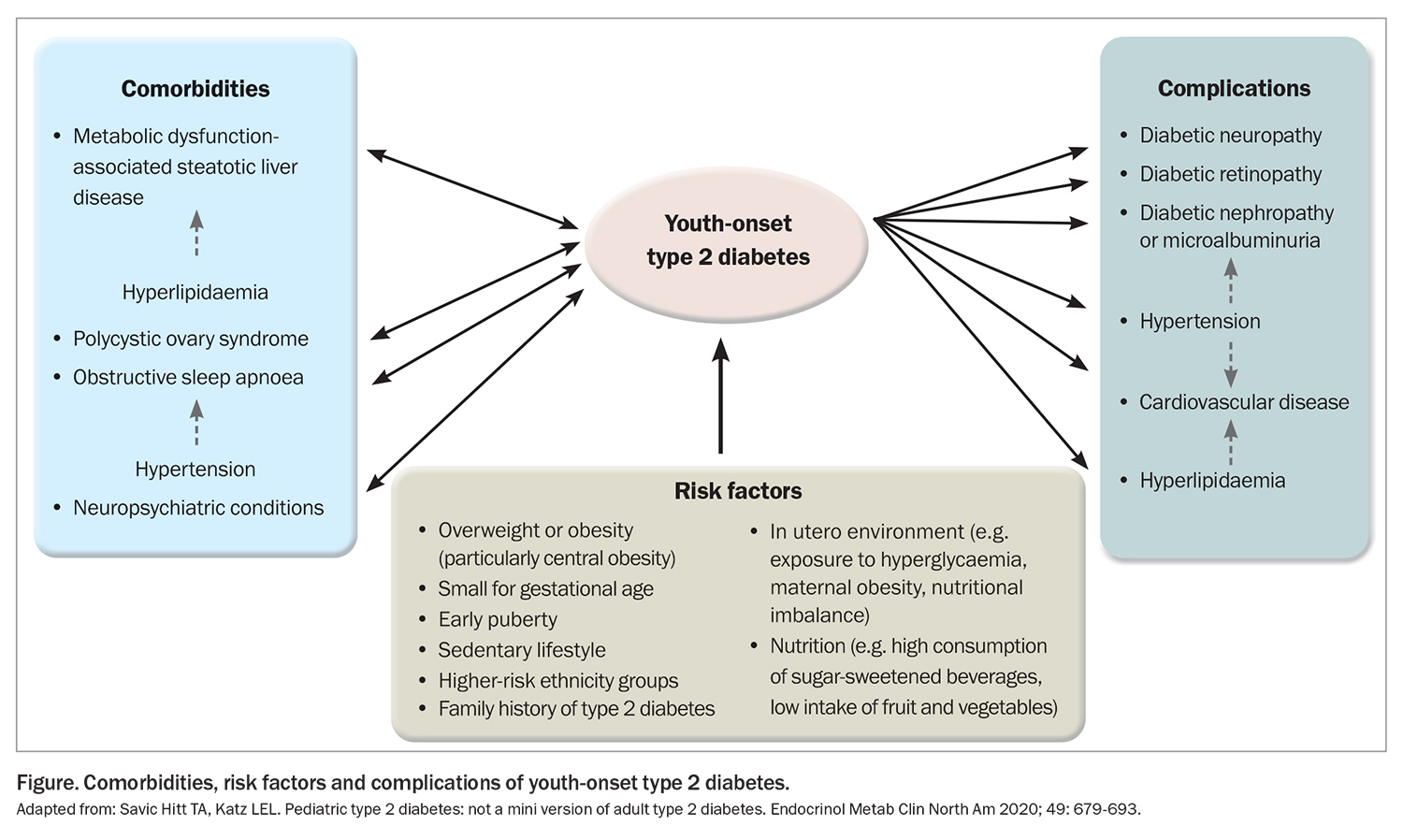
There is a complex interplay between the comorbidities, risk factors and complications seen in type 2 diabetes (Figure).
Diagnosis
Insulin resistance, characterised by the body’s inability to effectively utilise insulin, is a hallmark of type 2 diabetes. In children and adolescents, the diagnosis of type 2 diabetes is based primarily on the presence of hyperglycaemia, which can be evaluated through various methods (Box 1).9 Early diagnosis is crucial to prevent the onset of long-term complications.
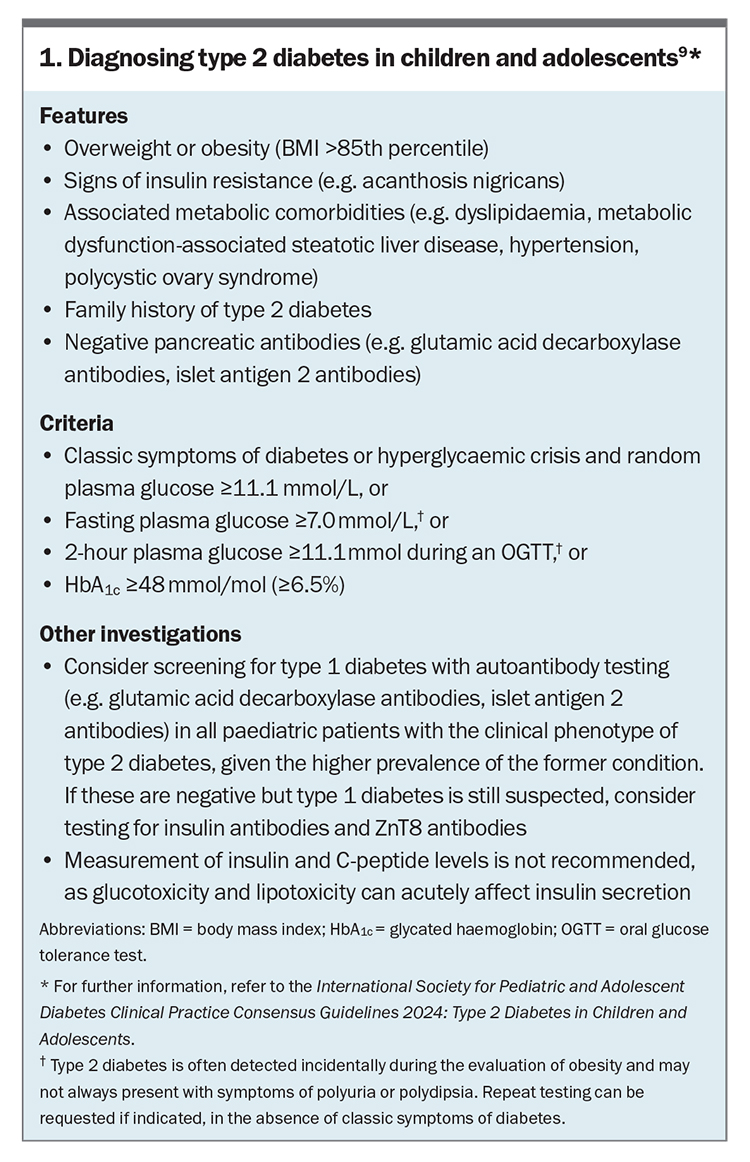
Features supporting the diagnosis of type 2 diabetes include:
- overweight or obesity, defined as body mass index at the 85th percentile or above
- signs of insulin resistance (e.g. acanthosis nigricans)
- associated metabolic comorbidities (e.g. dyslipidaemia, metabolic dysfunction-associated steatotic liver disease, hypertension, polycystic ovary syndrome)
- family history of type 2 diabetes
- negative pancreatic antibodies (e.g. glutamic acid decarboxylase antibodies, islet antigen 2 antibodies).
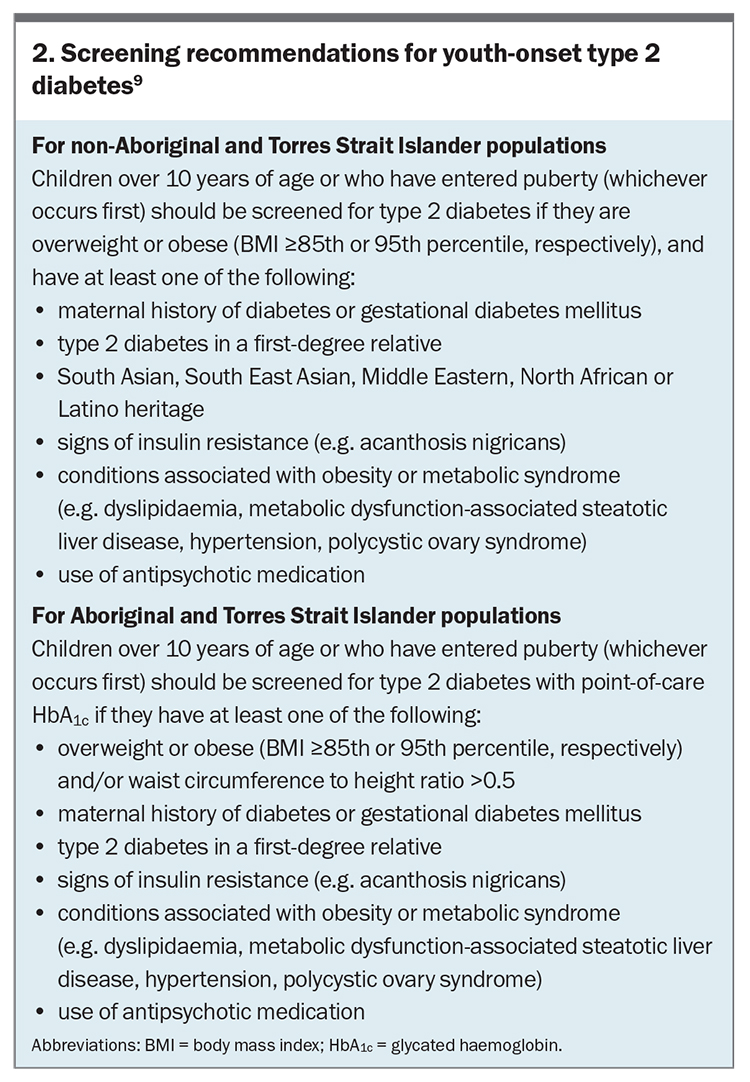
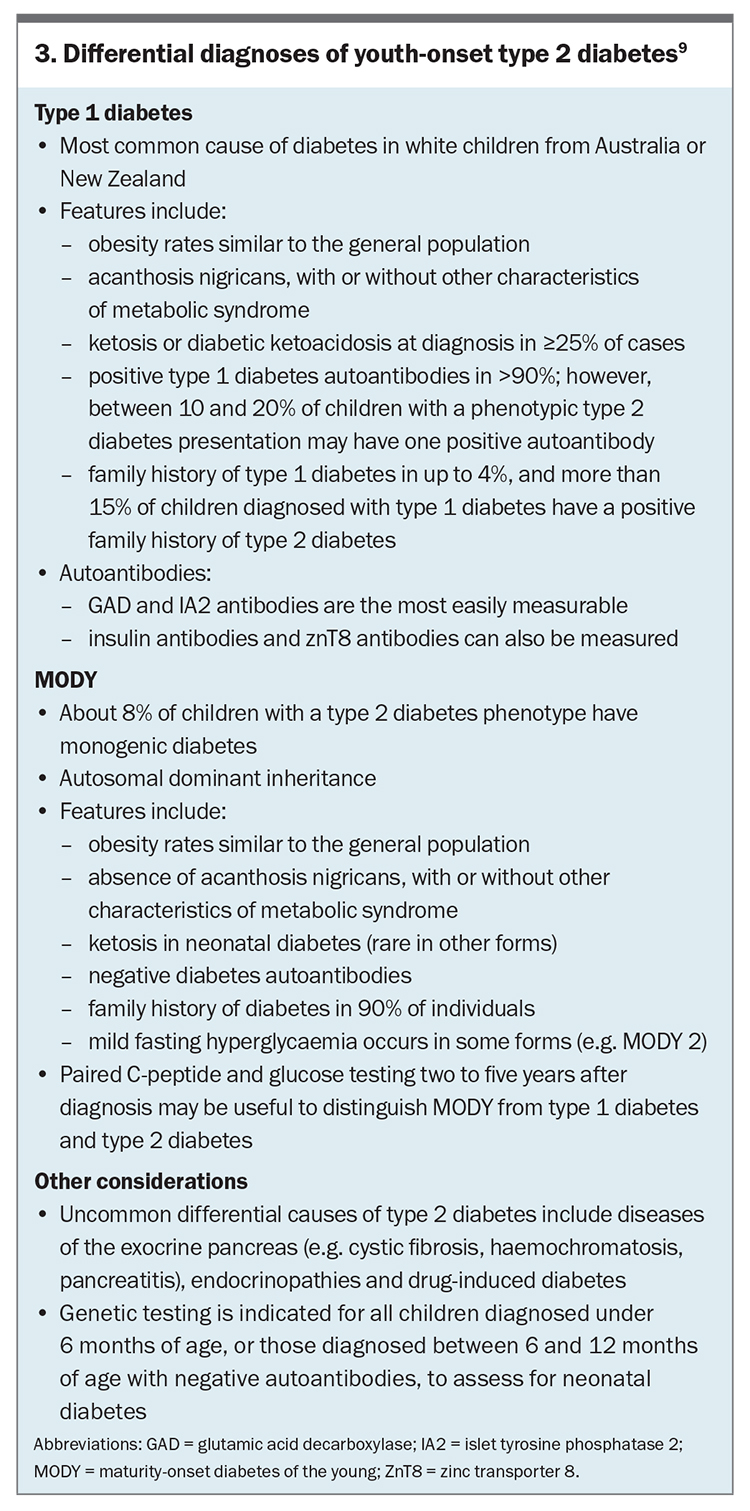
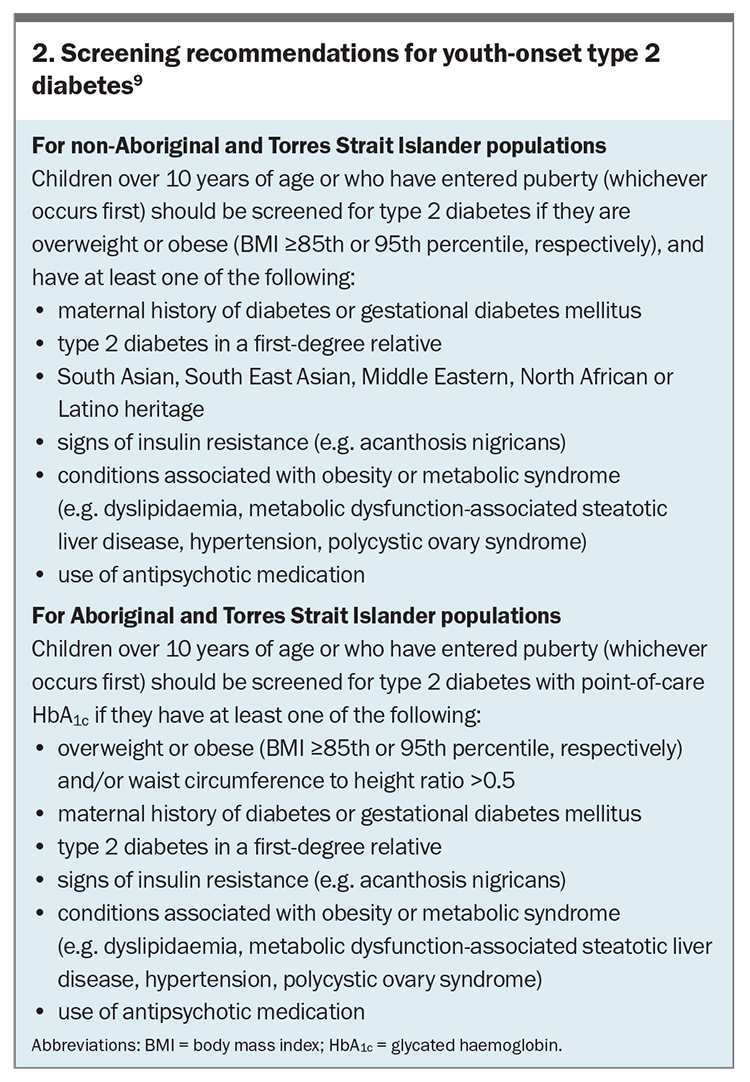
Targeted screening for type 2 diabetes in children over 10 years of age or who have entered puberty (whichever occurs first), with an oral glucose tolerance test or measurement of glycated haemoglobin (HbA1c) levels, is recommended in certain groups every two to three years, or earlier if there is excessive weight gain (Box 2).9 The differential diagnoses for paediatric type 2 diabetes includes type 1 diabetes and monogenic forms such as maturity-onset diabetes of the young (Box 3).9
Disease burden and long-term complications
The burden of type 2 diabetes in children and adolescents is substantial, affecting individuals, their families and healthcare systems.3 Major studies over the past two decades – including the SEARCH for Diabetes in Youth (SEARCH) study, the Treatment Options for Type 2 Diabetes in Adolescents and Youth (TODAY) study and the RISE study – have been pivotal in understanding youth-onset type 2 diabetes.
The 20-year SEARCH surveillance study described the epidemiology of type 2 diabetes and identified risk factors for complications, finding that the risk is substantially higher than in type 1 diabetes.10
The TODAY study, conducted in the USA, was the first multiethnic, multicentre randomised trial comparing three treatment approaches in youth with obesity and new-onset type 2 diabetes (n = 699; ages 10 to 17 years): metformin monotherapy, metformin plus rosiglitazone and metformin plus intensive lifestyle intervention. The primary outcome was glycaemic control, although diabetes-related complications and cardiovascular risk factors were also assessed.11 Overall, 50% of participants of the TODAY study were unable to maintain glycaemic control with metformin alone. Combination therapy with metformin plus rosiglitazone resulted in longer duration of glycaemic control, whereas metformin plus intensive lifestyle intervention produced intermediate results but was not superior to metformin alone.11 After 3.9 years, 33.8% of participants had hypertension, 16.6% had microalbuminuria and 55.9% of the participants showed normal lipid profiles.11 Retinopathy was observed in 13.7% of participants.11 This landmark trial highlighted the aggressive nature of youth-onset type 2 diabetes. Follow-up data from the TODAY study showed that at about 15 years postdiagnosis, 60% of participants had developed at least one microvascular complication, with retinopathy affecting about half and peripheral neuropathy a third of the cohort.12
Diabetic kidney disease, defined by albuminuria (>30 mcg/mg) or an estimated glomerular filtration rate less than 60 mL/min/1.73 m2, was far more common in youth-onset type 2 diabetes than in type 1 diabetes.13,14 In a separate retrospective cohort study, youth-onset type 2 diabetes was found to be associated with a 23-fold higher risk of renal failure and a 39-fold higher risk of requiring dialysis compared with youth without diabetes.13
The RISE consortium studies compared the pathophysiology and treatment outcomes of youth-onset and adult-onset type 2 diabetes. These studies showed that youth with type 2 diabetes exhibited significantly greater insulin resistance than those with adult-onset type 2 diabetes.5
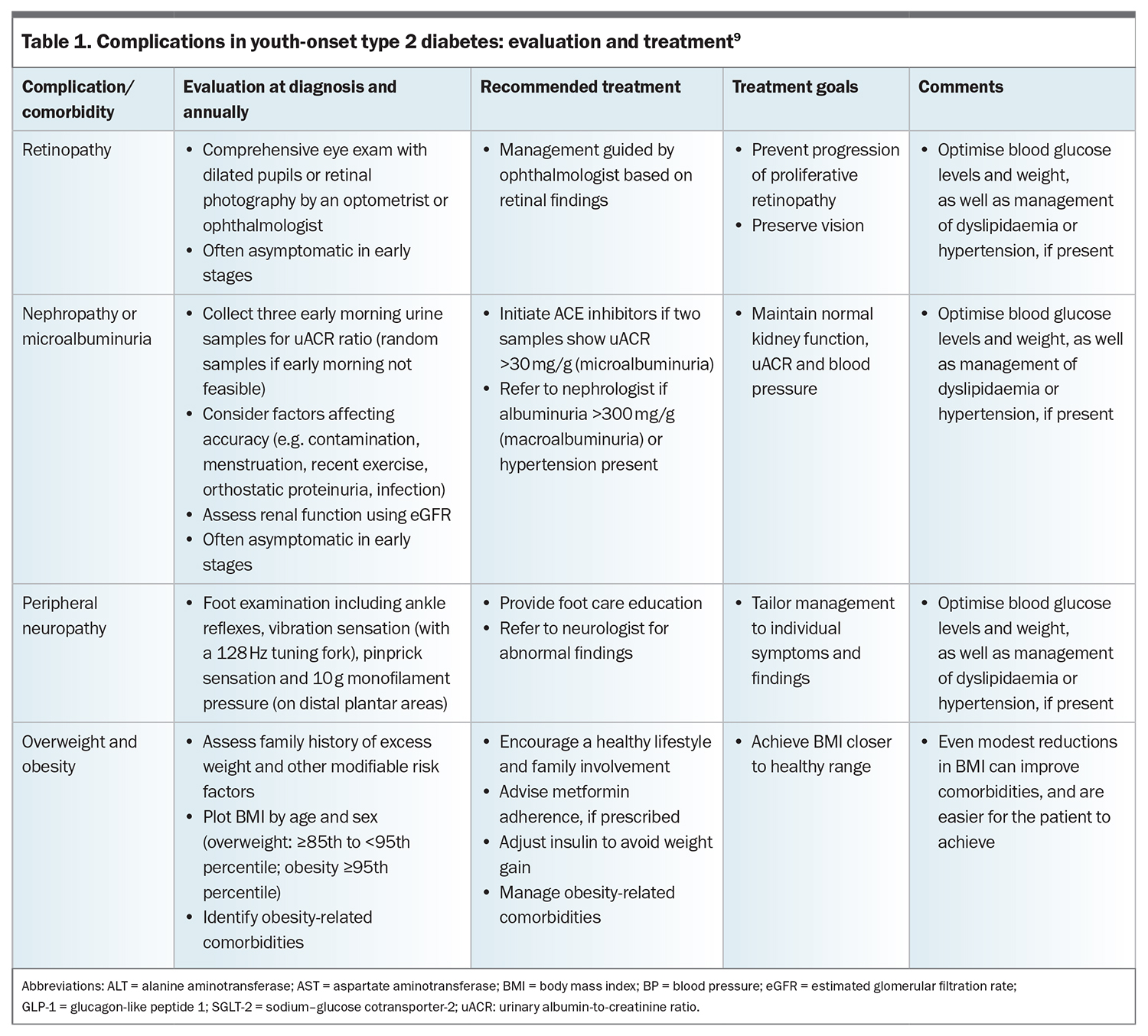
Screening for complications in youth-onset type 2 diabetes should follow a structured approach, including evaluation, treatment and monitoring of common comorbidities (Table 1).9 Overall, the key long-term complications of type 2 diabetes include:
- cardiovascular disease – youth with type 2 diabetes are at increased risk of developing cardiovascular disease at an earlier age
- nephropathy – diabetic kidney disease can develop, leading to chronic kidney disease and potential end-stage renal failure
- retinopathy – diabetic retinopathy may progress to vision impairment or blindness
- neuropathy – peripheral neuropathy can lead to complications such as foot ulcers and infections
- psychosocial issues – the diagnosis of type 2 diabetes can lead to psychosocial challenges, including depression and anxiety, which can further complicate management.
Management strategies
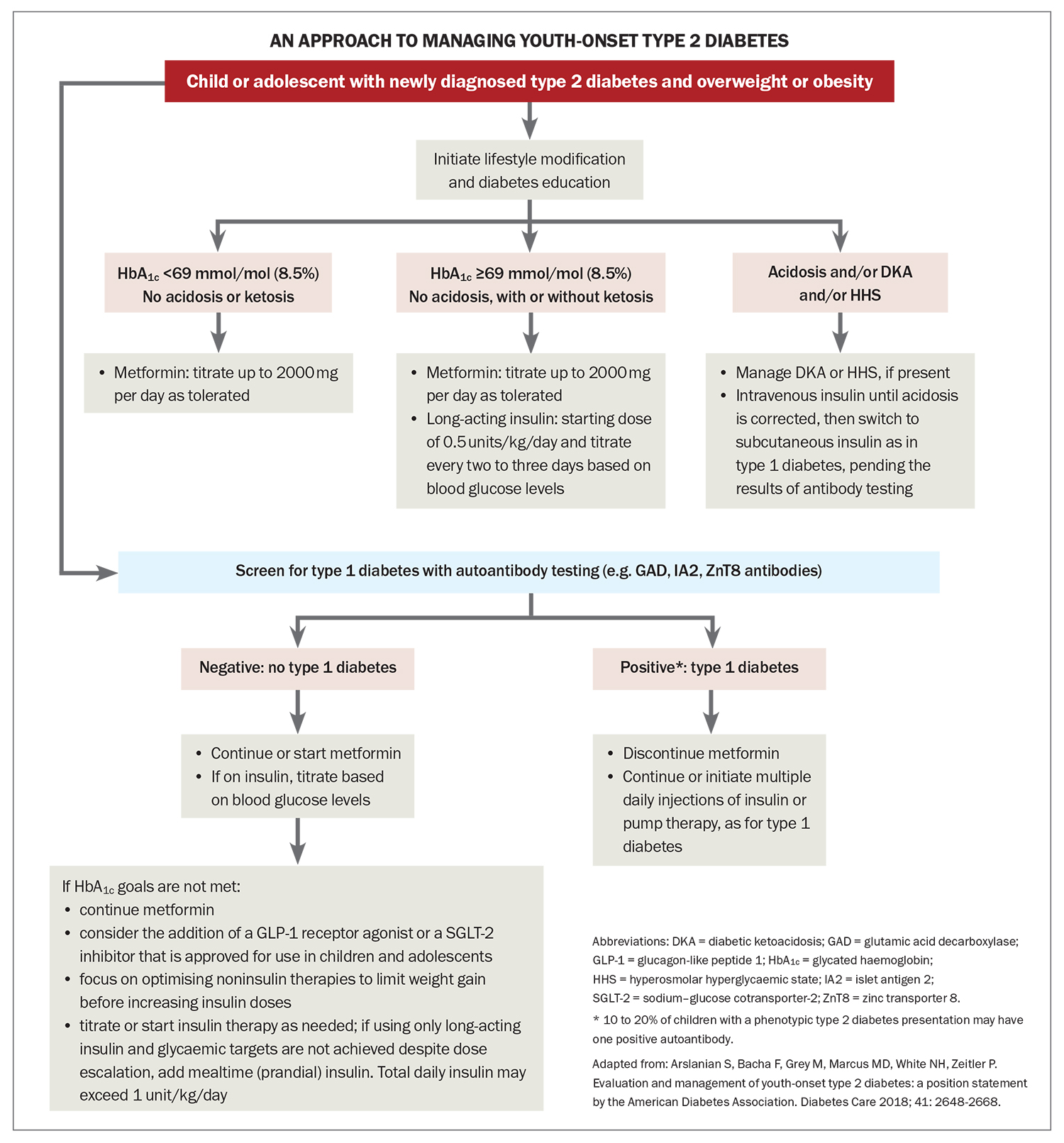
Management of type 2 diabetes in children and adolescents typically involves a multifaceted approach, including lifestyle modification, pharmacotherapy and ongoing monitoring. However, the most effective and enduring intervention strategies remain unclear. The Flowchart illustrates an approach to managing newly diagnosed youth-onset type 2 diabetes in individuals with overweight or obesity.
Lifestyle modification
The cornerstone of treatment involves promoting a healthy diet, increasing physical activity and encouraging weight loss. Behavioural interventions, such as counselling and support groups, can enhance adherence to lifestyle changes and improve long-term outcomes.
Pharmacotherapy
Pharmacological agents used in adults with type 2 diabetes, including sulfonylureas, thiazolidinediones and dipeptidyl peptidase-4 inhibitors, have been investigated in youth-onset type 2 diabetes but with limited success because of side effects such as hypoglycaemia and weight gain. Some, such as thiazolidinediones, have not been approved in Australia for use in youth because of safety concerns identified in adults.
If lifestyle modifications are insufficient, pharmacological therapy may be required. Current pharmacotherapy options approved for use in children include insulin, metformin (for children from 10 years of age) and empagliflozin (a sodium-glucose cotransporter-2 [SGLT-2] inhibitor; for children 10 years of age and older). Metformin remains the first-line medication for type 2 diabetes in children and adolescents, as it improves glycaemic control and supports modest weight reduction.4
Symptomatic patients (e.g. those with polyuria, polydipsia, recurrent skin infections or weight loss) or those with a HbA1C above 69 mmol/mol (8.5%) should also be treated with insulin, which can be tapered over two to six weeks once glucose targets are achieved. An HbA1c of 45 mmol/mol (6.3%) and above after metformin therapy predicts sustained hyperglycaemia after 48 months.15
The American Diabetes Association 2025 guidelines now recommend an HbA1cgoal of less than 48 mmol/mol (6.5%) for youth-onset type 2 diabetes.16 This reflects the need for early and aggressive treatment escalation. Glycaemic targets should be individualised; however, since youth with type 2 diabetes have a lower risk of hypoglycaemia but a higher risk of complications, a stricter HbA1c goal of less than 48 mmol/mol (6.5%) is recommended, compared with less than 53 mmol/mol (7%) in type 1 diabetes.12,17,18
Newer therapies and noninsulin agents, such as glucagon-like peptide-1 (GLP-1) receptor agonists and SGLT-2 inhibitors, are emerging as promising options. Randomised controlled trials in youth have demonstrated that GLP-1 receptor agonists are safe and effective in lowering HbA1c levels and promoting weight loss, particularly at higher doses approved for obesity.19-21
The Efficacy and Safety of the SGLT2 Inhibitor Empagliflozin versus Placebo and the Dipeptidyl Peptidase-4 Inhibitor Linagliptin versus Placebo in Young People with Type 2 Diabetes (DINAMO) study, a recent multicentre, double-blind, placebo-controlled trial in 158 youth aged 10 to 17 years, showed that participants in the empagliflozin pooled group had a statistically significant HbA1c reduction of 9.2 mmol/mol (0.84%).22 Longer-term trials are required to strengthen evidence for improved therapeutic decision-making.
Various national and international guidelines also recommend tighter glycaemic targets (HbA1c of 48 mmol/mol [6.5%] or less) in youth-onset type 2 diabetes to prevent end-organ complications. They endorse the use of SGLT-2 inhibitors in children, provided they are managed by a specialised diabetes service, including an endocrinologist.
Although the TGA has not approved dapagliflozin for use in children and adolescents (because of limited paediatric data), small pharmacokinetic and pharmacodynamic studies in youth suggest characteristics similar to adults.23 Safety and tolerability data are reassuring, but larger and longer-term paediatric studies remain needed.23 Recent PBS changes have introduced new prescribing criteria for the GLP-1 analogues semaglutide and dulaglutide, including a trial of an alternative hypoglycaemic agent (such as an SGLT-2 inhibitor), resulting in tightly regulated access for paediatric patients. Where possible, diabetes teams caring for children with type 2 diabetes aim to follow PBS guidelines to ensure equitable management of the condition.
Currently, SGLT-2 inhibitors are available on the national paediatric formulary. Given the evidence provided by the DINAMO study, which has shown empagliflozin has efficacy in reducing hyperglycaemia in youth, consistent with adult data and with a similar safety profile,22 empagliflozin and its formulations being added to the paediatric formulary can help prevent delays in treatment for youth inadequately managed by metformin monotherapy.
Monitoring
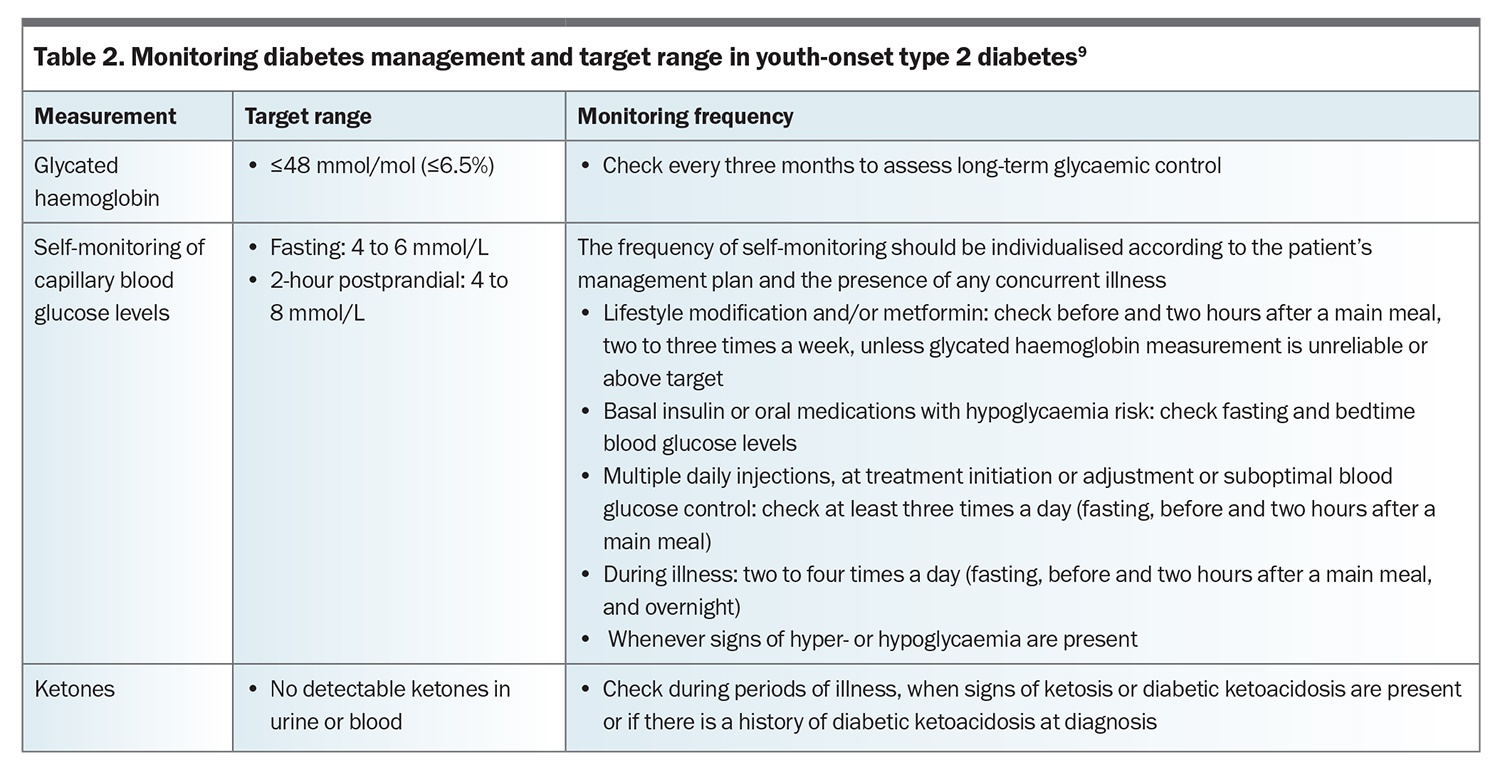
Regular monitoring of blood glucose levels and HbA1c is essential to assess treatment efficacy and guide ongoing management (Table 2).6 The benefits of real-time continuous glucose monitoring and intermittently scanned continuous glucose monitoring are well established, as these technologies provide detailed information on glucose trends and variability, support self-management and enable clinicians to make timely treatment adjustments.24
Findings from a pilot study involving nine adolescents and young adults with type 2 diabetes using real-time continuous glucose monitoring demonstrated modest improvements in quality of life.20 Participants also reported greater motivation to change their diet and lifestyle based on glucose trends, indicating that real-time continuous glucose monitoring was both feasible and acceptable in this population.25 Similarly, a recent study examined outcomes from a 10-day trial of intermittently scanned continuous glucose monitoring use in youth with type 2 diabetes. Although no significant improvements in glycaemic outcomes were observed, participants were receptive to the technology and motivated to make lifestyle modifications.26 However, literature exploring perspectives of youth with type 2 diabetes and their parents on intermittently scanned continuous glucose monitoring remains limited.25
Although continuous glucose monitoring is now considered standard of care and subsidised for individuals with type 1 diabetes in most developed countries, it remains unsubsidised for youth and adults with type 2 diabetes in Australia and some other high-income countries. This creates a significant cost barrier, limiting access to this valuable technology. Government or insurance support could greatly improve accessibility and outcomes for people living with type 2 diabetes.
Metabolic and bariatric surgery
Weight loss surgery may be considered for the treatment of youth with type 2 diabetes who have a body mass index greater than 35 kg/m2 and persistently elevated HbA1c levels despite lifestyle modification and pharmacotherapy. Findings from the Teen-Longitudinal Assessment of Bariatric Surgery and TODAY studies suggest that surgical treatment for adolescents with severe obesity and type 2 diabetes is associated with superior glycaemic control compared with medical therapy alone.11,27
Vertical sleeve gastrectomy is the most performed metabolic and bariatric procedure in adolescents. However, evidence directly comparing the efficacy of conventional treatment options with surgical therapy remains limited.28 Long-term data on metabolic outcomes and postoperative complications are also needed to guide clinical decision-making.
Prevention strategies
Preventive measures are crucial in addressing the rising incidence of type 2 diabetes among children and adolescents. Effective strategies include:
- public health campaigns – initiatives promoting healthy eating and physical activity can raise awareness and encourage sustainable lifestyle changes
- school-based programs – implementing health education programs within schools can help foster healthy habits early in life
- family involvement – engaging families in prevention and management efforts enhances the effectiveness of interventions and supports long-term behaviour change
- community resources – improving access to recreational facilities and affordable healthy food options within communities supports healthier lifestyles and reduces barriers to change.
Transition and GP-based care
GPs play a key role in the early detection and long-term management of type 2 diabetes in children and adolescents. Regular health check-ups, obesity screening and monitoring of metabolic parameters facilitate early intervention. GPs can also co-ordinate care with paediatric endocrinologists, dietitians, diabetes educators and mental health professionals to provide comprehensive, individualised management. Effective transition planning from paediatric to adult services is essential to maintain continuity of care and prevent deterioration in glycaemic control.
Type 2 diabetes in Aboriginal and Torres Strait Islander children
Aboriginal and Torres Strait Islander populations face unique challenges regarding type 2 diabetes, with significantly higher prevalence rates observed in these communities. Western Australian data highlight an incidence of type 2 diabetes of 12.6 per 100,000 person-years in Aboriginal and Torres Strait Islander youth, compared with 0.6 per 100,000 in non-Aboriginal and Torres Strait Islander youth. Higher rates have also been reported in New South Wales and the Northern Territory. These young people experience higher rates of comorbidities, such as hypertension and obesity, which contribute to a significant disease burden.29
Contributing factors include socioeconomic disadvantage, limited access to healthcare, cultural differences in dietary practices and the intergenerational impacts of historical trauma. Tailored interventions that respect cultural values and prioritise community involvement are essential for the effective prevention and management of type 2 diabetes among Aboriginal and Torres Strait Islander children and adolescents. Recommendations for screening for type 2 diabetes in Aboriginal and Torres Strait Islander populations differ from those for other groups of individuals (Box 2).9
Conclusion
Type 2 diabetes in children and adolescents is a complex and rapidly growing public health concern that necessitates a multifaceted approach encompassing prevention, early diagnosis and effective management. Addressing the rising incidence of type 2 diabetes requires co-ordinated efforts from healthcare providers, policymakers, educators and communities to promote healthy behaviours and ensure equitable access to high-quality care. As understanding of the condition evolves, ongoing research and innovation in treatment options will be essential to reduce its long-term impact and improve outcomes for young people living with type 2 diabetes. ET
COMPETING INTERESTS: Dr Ganti is Chair of the Australia and New Zealand Society for Paediatric Endocrinology and Diabetes Advanced Trainee Committee.
References
1. Wu H, Patterson CC, Zhang X, et al. Worldwide estimates of incidence of type 2 diabetes in children and adolescents in 2021. Diabetes Res Clin Pract 2022; 185: 109785.
2. Titmuss A, Korula S, Wicklow B, Nadeau KJ. Youth-onset type 2 diabetes: an overview of pathophysiology, prognosis, prevention and management. Curr Diab Rep 2024; 24: 183-195.
3. Perng W, Conway R, Mayer-Davis E, Dabelea D. Youth-onset type 2 diabetes: the epidemiology of an awakening epidemic. Diabetes Care 2023; 46: 490-499.
4. Shah AS, Zeitler PS, Wong J, et al. ISPAD clinical practice consensus guidelines 2022: type 2 diabetes in children and adolescents. Pediatr Diab 2022; 23: 872-902.
5. RISE Consortium. Restoring Insulin Secretion (RISE): design of studies of β-cell preservation in prediabetes and early type 2 diabetes across the life span. Diabetes Care 2014; 37: 780-788.
6. Di Cesare M, Sorić M, Bovet P, et al. The epidemiological burden of obesity in childhood: a worldwide epidemic requiring urgent action. BMC Med 2019; 17: 212.
7. Dabelea D, Knowler WC, Pettitt DJ. Effect of diabetes in pregnancy on offspring: follow-up research in the Pima Indians. J Matern Fetal Med 2000; 9: 83-88.
8. Srinivasan S, Chen L, Todd J,et al; ProDiGY Consortium. The first genome-wide association study for type 2 diabetes in youth: the progress in diabetes genetics in youth (ProDiGY) consortium. Diabetes 2021; 70: 996-1005.
9. Peña AS, Curran JA, Fuery M, et al. Screening, assessment and management of type 2 diabetes mellitus in children and adolescents: Australasian Paediatric Endocrine Group guidelines. Med J Aust 2020; 213: 30-43.
10. Jensen ET, Dabelea D. Type 2 diabetes in youth: new lessons from the SEARCH study. Curr Diab Rep 2018; 18: 36.
11. Narasimhan S, Weinstock RS. Youth-onset type 2 diabetes mellitus: lessons learned from the TODAY study. Mayo Clin Proc 2014; 89: 806-816.
12. Bjornstad P, Drews KL, Caprio S, et al. Long-term complications in youth-onset type 2 diabetes. N Engl J Med 2021; 385: 416-426.
13. Dart AB, Sellers EA, Martens PJ, Rigatto C, Brownell MD, Dean HJ. High burden of kidney disease in youth-onset type 2 diabetes. Diabetes Care 2012; 35: 1265-1271.
14. Dabelea D, Stafford JM, Mayer-Davis EJ, et al; SEARCH for Diabetes in Youth Research Group. Association of type 1 diabetes vs type 2 diabetes diagnosed during childhood and adolescence with complications during teenage years and young adulthood. JAMA 2017; 317: 825-835.
15. TODAY Study Group; Bjornstad P, Drews KL, Caprio S, et al. Long-term complications in youth-onset type 2 diabetes. N Engl J Med 2021; 385: 416-426.
16. American Diabetes Association Professional Practice Committee. Children and adolescents: standards of care in diabetes 2025. Diabetes Care 2025; 48: S283-S305. .
17. TODAY Study Group. Lipid and inflammatory cardiovascular risk worsens over 3 years in youth with type 2 diabetes: the TODAY clinical trial. Diabetes Care 2013; 36: 1758-1764.
18. TODAY Study Group. Rapid rise in hypertension and nephropathy in youth with type 2 diabetes: the TODAY clinical trial. Diabetes Care 2013; 36: 1735-1741.
19. Tamborlane WV, Barrientos-Pérez M, Fainberg U, et al. Liraglutide in children and adolescents with type 2 diabetes. N Engl J Med 2019; 381: 637-646.
20. Tamborlane WV, Bishai R, Geller D, et al. Once-weekly exenatide in youth with type 2 diabetes. Diabetes Care 2022; 45: 1833-1840.
21. Arslanian SA, Hannon T, Zeitler P, et al. Once-weekly dulaglutide for the treatment of youths with type 2 diabetes. N Engl J Med 2022; 387: 433-343.
22. Laffel LM, Danne T, Klingensmith GJ, et al. Efficacy and safety of the SGLT2 inhibitor empagliflozin versus placebo and the DPP-4 inhibitor linagliptin versus placebo in young people with type 2 diabetes (DINAMO): a multicentre, randomised, double-blind, parallel group, phase 3 trial. Lancet Diabetes Endocrinol 2023; 11: 169-181.
23. Tirucherai GS, LaCreta F, Ismat FA, Tang W, Boulton DW. Pharmacokinetics and pharmacodynamics of dapagliflozin in children and adolescents with type 2 diabetes mellitus. Diabetes Obes Metab 2016; 18: 678-684.
24. Tauschmann M, Cardona-Hernandez R, DeSalvo DJ, et al. International Society for Pediatric and Adolescent Diabetes clinical practice consensus guidelines 2024 diabetes technologies: glucose monitoring. Horm Res Paediatr 2024; 97: 615-635.
25. Chesser H, Srinivasan S, Puckett C, Gitelman SE, Wong JC. Real-time continuous glucose monitoring in adolescents and young adults with type 2 diabetes can improve quality of life. J Diabetes Sci Technol 2024;18: 911-919.
26. Manfredo J, Lin T, Gupta R, Abiola K, et al. Short-term use of CGM in youth onset type 2 diabetes is associated with behavioral modifications. Front Endocrinol (Lausanne) 2023; 14: 1182260.
27. Inge TH, Zeller M, Harmon C, et al. Teen-longitudinal assessment of bariatric surgery: methodological features of the first prospective multicenter study of adolescent bariatric surgery. J Pediatr Surg 2007; 42: 1969-1971.
28. Torbahn G, Brauchmann J, Axon E, et al. Surgery for the treatment of obesity in children and adolescents. Cochrane Database Syst Rev 2022; 9: Cd011740.
29. Duncan BB, Magliano DJ, Boyko EJ. IDF diabetes atlas 11th edition 2025: global prevalence and projections for 2050. Nephrol Dial Transplant 2025: gfaf177.
Single article purchases are temporarily unavailable due to site maintenance.
If you would like to purchase an article during this time, please email us at [email protected] with the article details and we'll assist you directly. We'll also let you know when online purchasing is available again.
Thank you for your patience and understanding.