
Peer Reviewed
Case studies
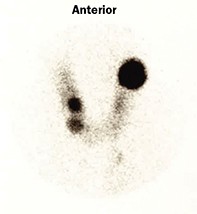
A postmenopausal woman with subclinical hyperthyroidism
Recent articles on:
Thyroid diseases
Thyroid diseases
Recent articles on:
Endocrine diseases
Endocrine diseases
Abstract
Untreated subclinical hyperthyroidism may lead to significant cardiovascular and musculoskeletal complications. Investigations such as thyroid scintigraphy and thyroid antibody status will help define the underlying aetiology so treatment can be targeted.
Key Points
- Subclinical hyperthyroidism is defined as persistently suppressed thyroid-stimulating hormone levels with normal free thyroxine and free triiodothyronine levels.
- The most common cause of subclinical hyperthyroidism in people over 65 years of age is toxic multinodular goitre.
- Subclinical hyperthyroidism can lead to cardiovascular, musculoskeletal and neurological complications.
- All individuals over 65 years of age with subclinical hyperthyroidism should be considered for treatment.
Get full access
Buy this article
Single article purchases are temporarily unavailable due to site maintenance.
If you would like to purchase an article during this time, please email us at [email protected] with the article details and we'll assist you directly. We'll also let you know when online purchasing is available again.
Thank you for your patience and understanding.
Already a subscriber? Login here.