
Addressing obesity: a strategy for cardiovascular risk reduction

Obesity is a major modifiable driver of cardiovascular disease. Emerging evidence suggests that active obesity treatment, particularly incretin-based therapies, may reduce cardiovascular risk and improve long-term cardiometabolic outcomes, including in people without type 2 diabetes.
- Obesity independently increases cardiovascular risk through interconnected inflammatory, metabolic and haemodynamic mechanisms.
- Excess adiposity contributes to atherosclerotic cardiovascular disease, heart failure with preserved ejection fraction and atrial fibrillation, in addition to increasing progression to type 2 diabetes and metabolic dysfunction-associated steatotic liver disease, which are major cardiovascular risk conditions.
- Modest weight loss (5 to 10% of usual body weight) improves blood pressure, lipid profile and glycaemic status, whereas greater weight loss confers larger and more durable benefits.
- Evidence now supports cardiovascular risk reduction with some obesity pharmacotherapies, including in people without type 2 diabetes.
- Addressing obesity should be considered a core component of cardiovascular risk management, rather than an optional adjunct.
Obesity and cardiovascular disease (CVD) are escalating global health crises. Although traditional cardiovascular risk factors, such as hypertension, dyslipidaemia, type 2 diabetes and smoking, remain central to CVD prevention, excess adiposity is increasingly recognised as a primary driver of cardiovascular risk, rather than simply contributing to other cardiometabolic conditions.
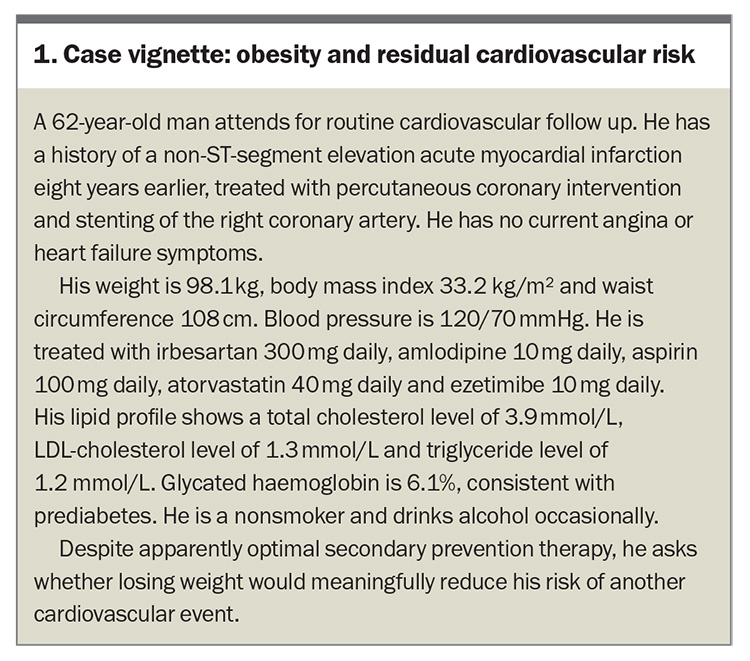
Obesity promotes atherogenesis, cardiac remodelling and metabolic dysfunction through shared inflammatory and endocrine pathways.1 It also contributes to the increasing burden of type 2 diabetes, metabolic dysfunction-associated fatty liver disease (MAFLD) and CVD, including atherosclerotic disease, atrial fibrillation and heart failure with preserved ejection fraction (HFpEF).1 This raises a practical question: does actively treating obesity reduce future cardiovascular events, particularly in people whose traditional risk factors appear well controlled? A case vignette is described in Box 1 addressing the question, with management of this patient discussed throughout the article.
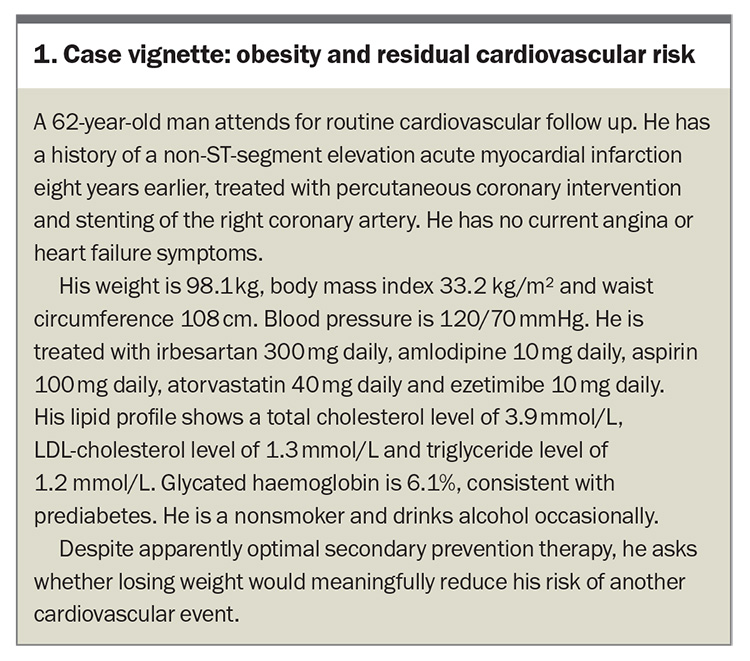
This article outlines mechanisms linking excess adiposity to cardiovascular risk and reviews evidence that weight management improves cardiometabolic outcomes, even in people without diabetes.
How does obesity increase cardiovascular risk?
Obesity drives cardiometabolic disease through interconnected metabolic, inflammatory and haemodynamic pathways. Excess adipose tissue, particularly visceral fat, secretes pro-inflammatory adipokines and cytokines (e.g. tumour necrosis factor-alpha, interleukin-6, leptin and resistin) while reducing protective adiponectin, thereby promoting chronic low-grade inflammation, endothelial dysfunction and vascular immune activation, which accelerate atherosclerosis.1
Insulin resistance is a central link between obesity and CVD.2,3 Early hyperinsulinaemia compensates for reduced insulin sensitivity, but sustained metabolic stress leads to beta-cell dysfunction, impaired glucose tolerance, type 2 diabetes and worsening cardiovascular risk.3 Impaired insulin‑mediated suppression of lipolysis leads to increased release of free fatty acids into the circulation. Excess free fatty acid flux to the liver, together with de novo lipogenesis, promotes hepatic triglyceride accumulation and lipotoxicity, contributing to the development and progression of MAFLD. Once adipose storage capacity is exceeded, ectopic lipid deposition in the liver and other organs further amplifies insulin resistance, inflammation and cardiovascular risk.1,4,5
Obesity also contributes to HFpEF.6 For every one standard deviation increase in body mass index (BMI), the risk of HFpEF increases by 34%.7 Expanded blood volume and cardiac workload lead to left ventricular hypertrophy and diastolic dysfunction, whereas pro-inflammatory cytokines and free fatty acids drive myocardial fibrosis, microvascular dysfunction and impaired nitric oxide signalling.8,9 Overall, excess adiposity contributes to cardiometabolic disease through shared mechanisms that include chronic inflammation, insulin resistance, adipokine dysregulation and ectopic lipid accumulation.
Does weight loss modify cardiovascular risk?
Effects on glycaemia and progression to type 2 diabetes
In people with prediabetes, modest weight loss (5 to 7% of usual body weight) achieved through lifestyle changes reduces progression to type 2 diabetes by nearly 60% over three to four years.10 Each kilogram of weight loss is associated with a 16% reduction in type 2 diabetes risk.11 Even in adults with insulin resistance, modest weight loss improves insulin sensitivity, thereby mitigating cardiovascular risk,12 with progressive benefits seen at greater levels of weight loss.
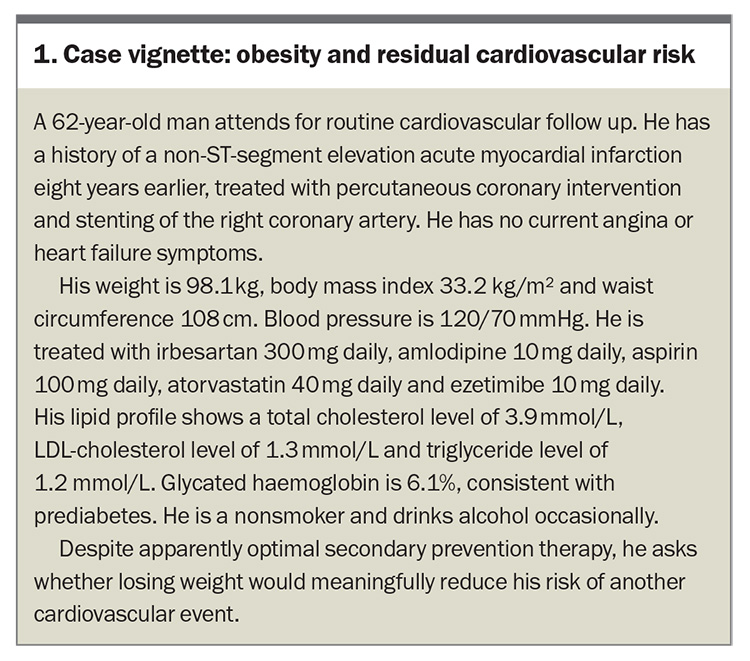
In the case described in Box 1, addressing obesity may reduce this patient’s likelihood of progressing to overt diabetes, itself a major accelerator of CVD. In individuals with established type 2 diabetes, as little as 2 to 5% weight loss improves glycaemic control, with greater reductions in fasting glucose and glycated haemoglobin (HbA1c) levels seen at higher levels of weight loss.13,14 Weight loss can also induce remission of type 2 diabetes, with the likelihood of remission largely determined by the amount of weight lost, and sustained weight loss linked to the durability of remission.15,16
Effects on steatotic liver disease
MAFLD is the most common chronic liver disease globally, affecting one-third of adults.17,18 Individuals with advanced liver fibrosis from MAFLD have two to four times greater risk of CVD, with CVD the leading cause of death in this population.19,20
Metabolic dysfunction, particularly obesity, insulin resistance and type 2 diabetes, is central to disease development, making weight loss a key therapeutic target. Sustained weight loss of 7 to 10% is associated with improvements in inflammation, steatosis and fibrosis, with greater weight loss consistently associated with better outcomes.21
Effects on blood pressure and lipids
Weight loss produces graded improvements in key cardiovascular risk factors. Reductions of 2 to 5% bodyweight improve systolic blood pressure and triglyceride levels, whereas 5 to 10% weight loss is associated with improvements in diastolic blood pressure and HDL-cholesterol levels.14
Although the patient described in Box 1 had blood pressure and lipid levels well controlled pharmacologically, weight loss may further reduce residual risk and medication burden.
Effects on atherosclerotic cardiovascular disease outcomes
A meta-analysis of 83 weight-loss intervention studies showed that even modest weight loss reduces systolic and diastolic blood pressure, LDL-cholesterol, triglycerides, fasting glucose and HbA1c levels, with effects sustained over two years.22
Reductions in hard cardiovascular endpoints were demonstrated in an umbrella review of systematic reviews and meta-analyses examining pharmacological, surgical, dietary, exercise and lifestyle weight-loss interventions. Glucagon-like peptide-1 receptor agonists (GLP-1 RAs) were associated with reduced all-cause mortality and major adverse cardiovascular events, including stroke, myocardial infarction, heart failure and cardiovascular death in individuals with type 2 diabetes or overweight or obesity.23
This is further supported by the Semaglutide Effects on Cardiovascular Outcomes in People With Overweight or Obesity (SELECT) randomised controlled trial, which showed that, in individuals without type 2 diabetes but with established CVD and overweight or obesity, semaglutide 2.4 mg was associated with a 20% reduction in cardiovascular death, myocardial infarction and stroke.24 Large observational cohort studies have also demonstrated significantly lower rates of fatal and nonfatal cardiovascular events in individuals undergoing bariatric surgery.25,26
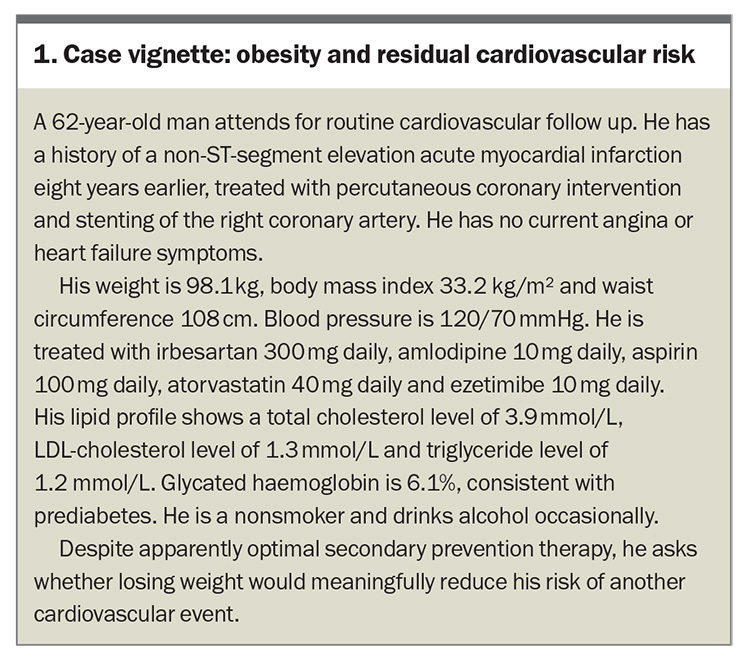
These findings directly inform management of the patient in the case vignette, suggesting that active obesity management may reduce future cardiovascular events even in individuals already receiving optimal secondary prevention therapy.
Effects on heart failure with preserved ejection fraction and atrial fibrillation
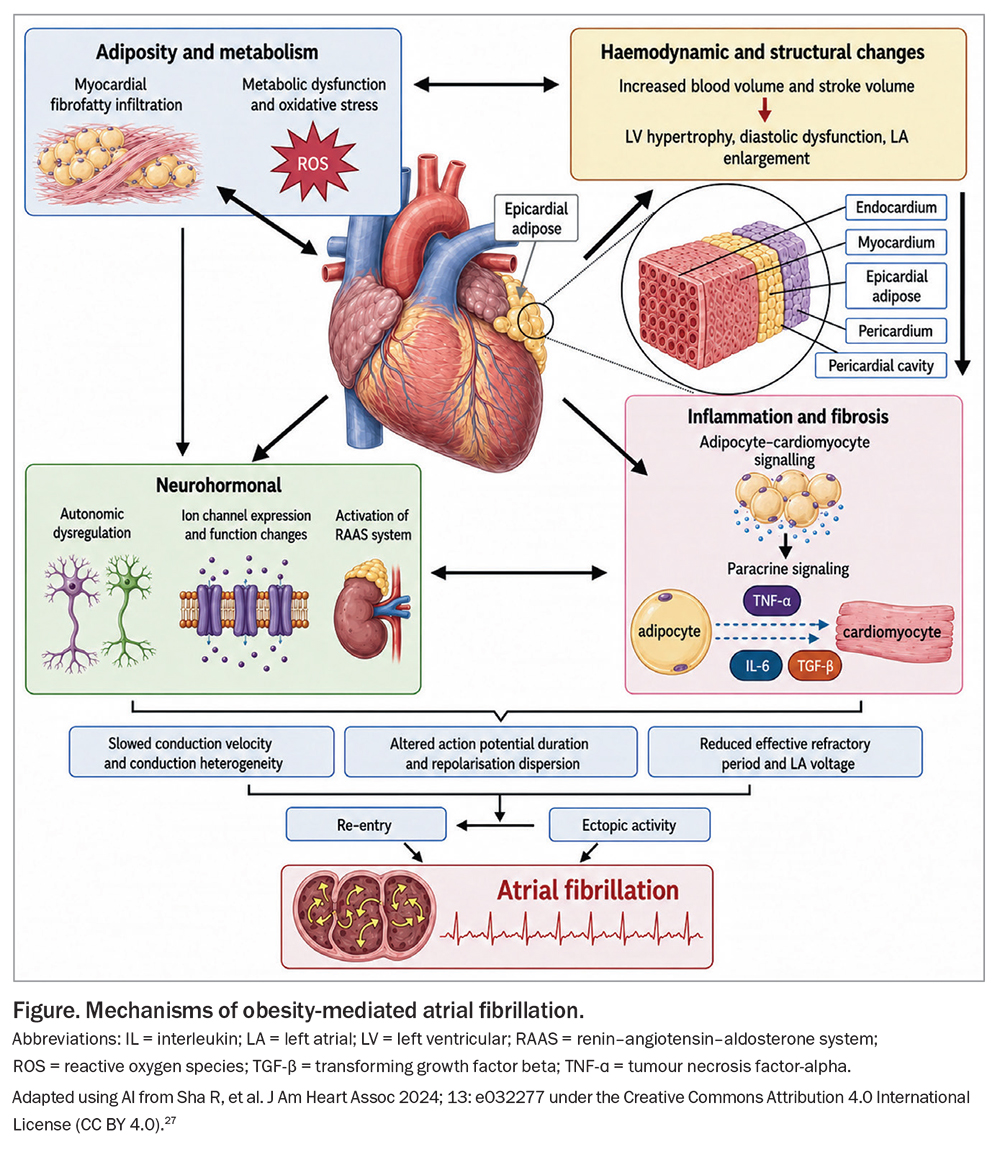
Obesity is increasingly recognised not only as a dominant risk factor, but also as a major driver of a distinct obesity-related HFpEF phenotype, while contributing to atrial fibrillation through atrial remodelling, inflammation and increased epicardial fat.27 A substantial body of mechanistic and clinical evidence supports links between obesity, HFpEF and atrial fibrillation, summarised in the Figure.27
In people with obesity-related HFpEF, weight loss improves symptoms, exercise capacity, New York Heart Association class and reduces HF hospitalisation, while also reversing left ventricular remodelling and improving left ventricular distensibility.28-31 Emerging data also suggest reductions in incident atrial fibrillation following bariatric surgery or effective weight-loss pharmacotherapy.32
Management options for obesity in cardiovascular risk reduction
Lifestyle intervention
Dietary modification, physical activity and behavioural support remain foundational. Even modest, sustained weight loss confers metabolic benefit, as demonstrated in the pivotal lifestyle intervention study in obesity, Action for Health in Diabetes (Look AHEAD), which demonstrated durable 5 to 8% weight loss and broad improvements in cardiometabolic risk factors over 10 years of follow up.13
However, across lifestyle intervention trials, including Look AHEAD, the Diabetes Prevention Program and Diabetes Prevention Program Outcomes Study, and the Finnish Diabetes Prevention Study, no reduction in major adverse cardiovascular events or mortality has been demonstrated.13,33,34 However, people who achieved remission of prediabetes from these interventions showed a modest reduction in cardiovascular events decades later.35 Given the lack of robust evidence for reduction in hard CVD outcomes from lifestyle modification alone, evidence-based obesity therapies with proven cardiovascular benefit should be discussed with individuals with obesity and established CVD or cardiovascular risk factors.
Pharmacotherapy
Older antiobesity pharmacotherapies
Older antiobesity pharmacotherapies have modest efficacy and limited cardiovascular outcomes data compared with contemporary incretin-based therapies. Orlistat, a gastrointestinal lipase inhibitor, produces modest weight loss of about 3 to 4% through inhibition of dietary fat absorption, with high rates of gastrointestinal side effects.36,37 Phentermine–topiramate combination produces 5 to 10% weight loss through synergistic appetite suppression mediated by central noradrenergic and dopaminergic pathways.38,39 However, because of the sympathomimetic effects of phentermine, particularly the potential for increases in heart rate and blood pressure, its use is contraindicated in cardiac disease, including coronary artery disease, uncontrolled hypertension and arrhythmias, as well as cerebrovascular disease.40
The naltrexone (opioid receptor antagonist) and bupropion (norepinephrine-dopamine reuptake inhibitor) combination yields modest weight reductions of 5 to 6% via central appetite and reward modulation.41 However, uncertainty regarding cardiovascular safety limits its use in people at elevated cardiovascular risk.42 In contrast to incretin-based therapies, these agents lack evidence for reduction in major adverse cardiovascular events. Accordingly, their contemporary role is limited, particularly where therapies with greater efficacy and proven cardiovascular benefit are available.
Incretin-based therapies
Incretin-based therapies represent a paradigm shift in obesity pharmacotherapy. These agents promote satiety, delay gastric emptying, enhance glucose-dependent insulin secretion and suppress glucagon release.43 Beyond these effects, incretin-based therapies exert broader cardiometabolic benefits, including favourable effects on inflammation, endothelial function, plaque stability and haemodynamics, translating into reductions in cardiovascular events.44 Further benefits include reductions in major kidney outcomes and cardiovascular death in individuals with type 2 diabetes and chronic kidney disease, as demonstrated with semaglutide 1.0 mg in the Evaluate Renal Function With Semaglutide Once Weekly (FLOW) trial.45 In addition, the Study of Tirzepatide in Participants With Obstructive Sleep Apnea (SURMOUNT-OSA) showed that tirzepatide significantly reduced obstructive sleep apnoea severity, measured by the apnoea–hypopnoea index, and hypoxic burden, while also improving sleep-related patient-reported outcomes in adults with obesity and moderate- to-severe obstructive sleep apnoea.46
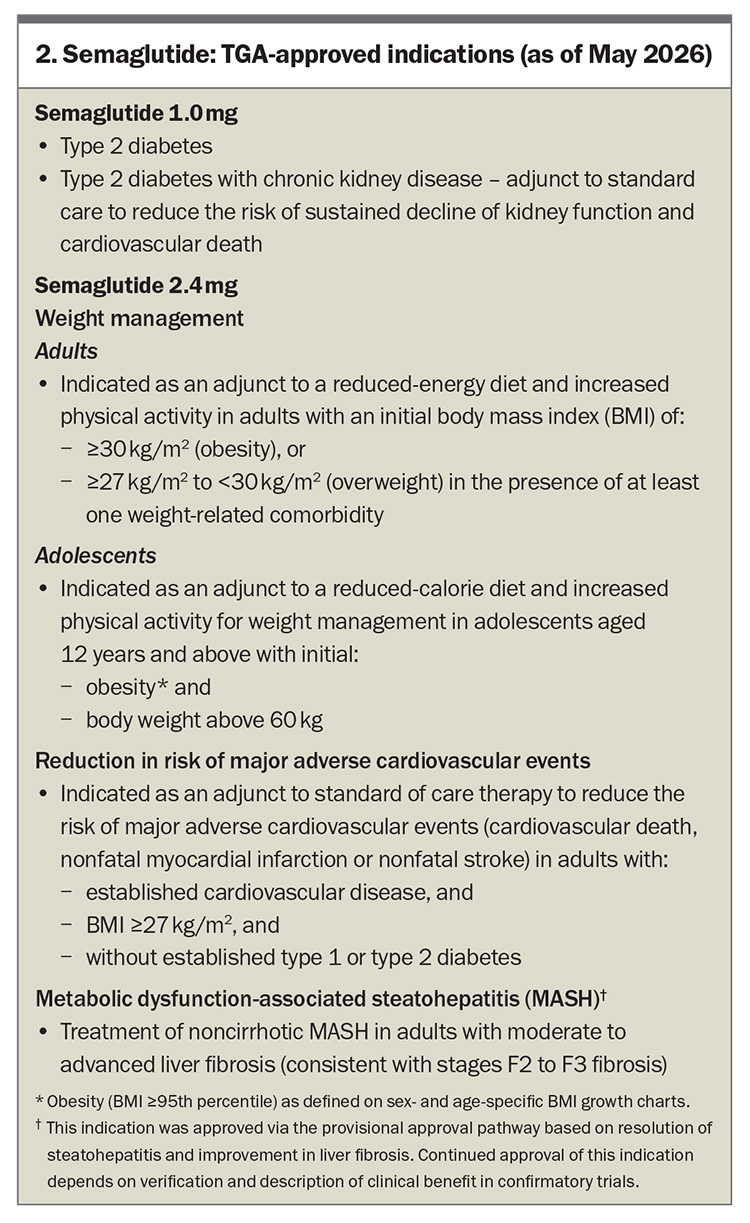
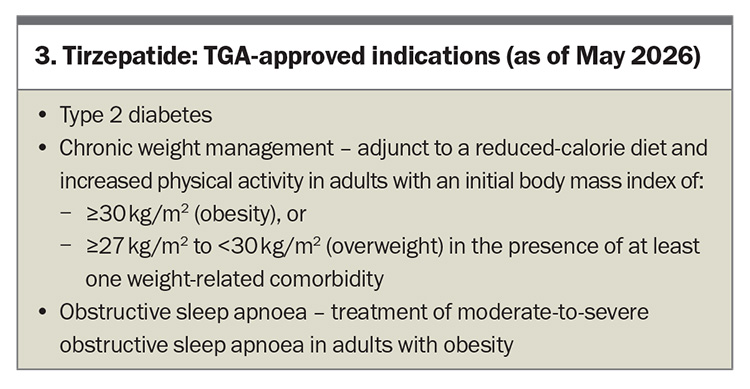
In Australia, liraglutide and semaglutide (GLP-1 RAs) and tirzepatide (a first-in-class dual incretin agonist that activates both the glucose-dependent insulinotropic polypeptide and GLP-1 receptors) are available for the management of obesity. The TGA indications for semaglutide are outlined in Box 2 and those for tirzepatide in Box 3.
Cost
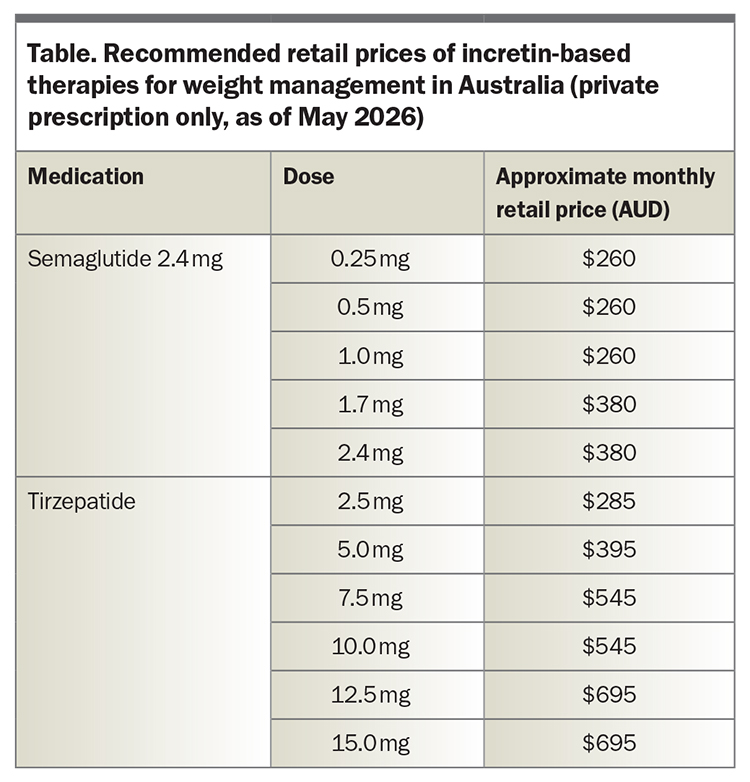
Both semaglutide and tirzepatide are TGA approved for weight management, but neither is listed on the PBS for this indication. As such, the cost of purchasing these medications on a private prescription can make them inaccessible for some individuals. The Table outlines the current recommended retail price of incretin-based therapies indicated for weight management in Australia.
Adverse effects
Incretin-based therapies are generally well tolerated, with gastrointestinal adverse effects, including nausea, vomiting and diarrhoea, being the most common dose-limiting events.47,48 These are typically mild to moderate in severity, occur early after treatment initiation or dose escalation and attenuate over time. Gradual dose uptitration, along with patient education on smaller meal portions, avoidance of high-fat and large meals and slower eating, can help mitigate these symptoms.49 Temporary dose reduction or delaying dose escalation may further improve tolerability. Less common but clinically important adverse effects include gallbladder disease and pancreatitis, and patients should be appropriately counselled on recognising concerning symptoms and advised to seek prompt medical attention if they occur.
Incretin-based therapies for obesity-related comorbidities
Type 2 diabetes
Incretin‑based therapies produce clinically meaningful improvements in glycaemic control alongside weight loss across the spectrum of type 2 diabetes, from newly diagnosed individuals to those treated with insulin.
Once‑weekly semaglutide 1.0 mg consistently lowers HbA1c by 1.4 to 1.8% and reduces body weight by 4.3 to 6.5 kg in individuals with type 2 diabetes, whereas tirzepatide achieves even greater, dose‑dependent reductions in HbA1c (1.9 to 2.6%) and weight (10 to 13 kg).50-61 In many individuals, treatment with tirzepatide is associated with near‑normalisation of glycaemia.
In the Study of Tirzepatide versus Semaglutide Once Weekly in Patients With Type 2 Diabetes (SURPASS-2), the pivotal head-to-head trial against semaglutide 1.0 mg, all three tirzepatide doses studied (5, 10 and 15 mg) produced significantly greater HbA1c reductions than semaglutide 1.0 mg, as well as superior weight loss across all dose comparisons.58 Mechanistic analyses suggest that these glycaemic benefits over semaglutide are mediated partly by weight loss and partly by weight‑independent effects, reinforcing the role of incretin‑based therapies as cardiometabolic treatments rather than glucose‑lowering agents alone.
Metabolic dysfunction-associated fatty liver disease
Incretin‑based therapies have also shown promise in the treatment of metabolic dysfunction‑associated steatohepatitis (MASH), an advanced stage of MAFLD defined by histological evidence of steatosis, inflammation, hepatocyte ballooning and varying degrees of fibrosis.62 In individuals with moderate‑to‑advanced fibrosis, semaglutide 2.4 mg has been shown to increase rates of steatohepatitis resolution and improve liver histology, with benefits seen across subgroups irrespective of diabetes status or baseline obesity.63 Secondary analyses further suggest that these effects are mediated through both weight loss-dependent and weight loss-independent mechanisms.64 Semaglutide 2.4 mg is TGA approved for the treatment of noncirrhotic MASH in adults with moderate to advanced liver fibrosis (consistent with stages F2 to F3 fibrosis). This indication was approved via the provisional approval pathway based on resolution of steatohepatitis and improvement in liver fibrosis. Continued approval of this indication depends on verification and description of clinical benefit in confirmatory trials.
Evidence for tirzepatide in liver disease is emerging. In a phase 2 trial, tirzepatide was associated with high rates of MASH resolution and fibrosis improvement compared with placebo, with consistent effects across a broad range of patient subgroups.65 Although not yet approved for this indication, ongoing phase 3 studies will determine whether these histological improvements translate into durable clinical benefit.
Cardiovascular disease
Robust cardiovascular outcome data now support the use of semaglutide as a cardioprotective therapy. In people with type 2 diabetes at high cardiovascular risk, semaglutide reduces major adverse cardiovascular events, with benefits seen across the full range of baseline HbA1c levels.55,66 Importantly, these findings extend to people without diabetes: in individuals with established CVD and overweight or obesity, semaglutide 2.4 mg was associated with a 20% reduction in cardiovascular death, myocardial infarction and stroke.24 Notably, cardiovascular benefit appeared largely independent of baseline adiposity and the degree of weight loss, suggesting mechanisms beyond weight reduction alone.67
Cardiovascular outcome data for tirzepatide are still emerging. In people with type 2 diabetes and established atherosclerotic CVD, tirzepatide has demonstrated cardiovascular safety and favourable effects on weight and glycaemic control compared with dulaglutide, a GLP-1 RA with proven CVD benefit in people with type 2 diabetes at high cardiovascular risk.68 Ongoing trials will determine whether tirzepatide confers cardiovascular benefit in people with obesity without diabetes.
Heart failure with preserved ejection fraction
In people with obesity‑related HFpEF, incretin‑based therapies improve symptoms, physical function and quality of life.69 Semaglutide has been shown to reduce heart failure symptoms and improve exercise capacity in individuals with HFpEF, with benefits observed in both those with or without type 2 diabetes.70 Notably, symptomatic improvement in people with diabetes occurred despite less weight loss, suggesting effects beyond weight reduction alone. Although these studies were not powered for hard outcomes, they support a role for obesity‑targeted therapy in improving HFpEF‑related morbidity.
More recently, tirzepatide has demonstrated reductions in worsening heart failure events, alongside improvements in symptoms, functional status and quality of life in individuals with HFpEF and obesity.71 Secondary analyses indicate favourable effects on haemodynamics, inflammation, renal markers and cardiac stress, again suggesting mechanisms beyond weight loss.72 Emerging real‑world data are consistent with these findings, although longer‑term outcome studies are needed to clarify effects on mortality.73
Bariatric surgery
Bariatric surgery is currently the most effective treatment for obesity, and leads not only to substantial weight loss but also to robust and durable improvements across major cardiovascular risk factors.25,26 Bariatric surgery is recommended for individuals with a BMI greater than 35 kg/m2, regardless of the presence, absence or severity of comorbidities, and for those with type 2 diabetes and a BMI greater than 30 kg/m2. It should also be considered in individuals with a BMI of 30 to 34.9 kg/m2 who do not achieve substantial or durable weight loss, or improvements in comorbidities, with nonsurgical approaches.74
Roux-en-Y gastric bypass induces significantly greater weight loss compared with sleeve gastrectomy or adjustable gastric banding.75 Meta-analyses of randomised controlled trials report short-term remission of type 2 diabetes in 77% of individuals and hypertension in 62%, together with improvement in dyslipidaemia in 70% or more, with long-term remission remaining substantial (73%, 63% and 65%, respectively).76,77 Bariatric surgery is also associated with reduced all-cause mortality, cardiovascular mortality, incidence of heart failure, myocardial infarction and stroke.78
Although generally safe when performed by experienced surgeons, bariatric surgery carries risks of acute surgical complications, including anastomotic leaks, bleeding, herniation and ulceration, as well as later complications such as nutritional deficiencies and dumping syndrome.79
Summary
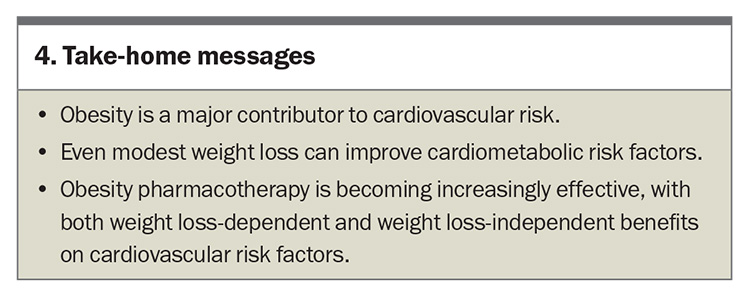
Obesity is a powerful, modifiable driver of CVD. Evidence now supports active obesity management as a component of cardiovascular risk reduction, including in people without type 2 diabetes who already receive optimal medical therapy (see Box 4 for the take-home messages).
In the case presented in Box 1, addressing obesity offers an opportunity to reduce residual cardiovascular risk, delay or prevent type 2 diabetes and its associated complications, and improve long‑term outcomes. In addition to lifestyle intervention, escalation to evidence-based pharmacotherapy should be considered, particularly agents with demonstrated cardiovascular benefit, such as semaglutide. Other options include alternative incretin-based therapies and, in appropriate individuals, bariatric surgery.
Integrating weight management into routine cardiovascular care is increasingly supported by both mechanistic understanding and clinical trial evidence, and management should be individualised based on patient characteristics, comorbidities and preferences. ET
COMPETING INTERESTS: Dr Maynard: None. Dr Forner has received honoraria for lectures from Novo Nordisk, Nestlé and Roche. Dr Parry has received payment or honoraria for speaking at educational events from Novo Nordisk, AstraZeneca and Lilly, and support for attending meetings from Novo Nordisk. Associate Professor Hocking has received honoraria for lectures from Novo Nordisk, iNova and Lilly, support to attend meetings from Novo Nordisk and Lilly and is a member of advisory boards for Novo Nordisk and Lilly, Member of Australian and New Zealand Obesity Society Council and President of National Association of Clinical Obesity Services.
References
1. Jin X, Qiu T, Li L, et al. Pathophysiology of obesity and its associated diseases. Acta Pharm Sin B 2023; 13: 2403-2424.
2. Eizirik DL, Pasquali L, Cnop M. Pancreatic β-cells in type 1 and type 2 diabetes mellitus: different pathways to failure. Nat Rev Endocrinol 2020; 16: 349-362.
3. Allocca S, Monda A, Messina A, et al. Endocrine and metabolic mechanisms linking obesity to type 2 diabetes: implications for targeted therapy. Healthcare (Basel) 2025; 13: 1437.
4. Arab JP, Arrese M, Trauner M. Recent insights into the pathogenesis of nonalcoholic fatty liver disease. Annu Rev Pathol 2018; 13: 321-350.
5. Polyzos SA, Kountouras J, Mantzoros CS. Adipose tissue, obesity and non-alcoholic fatty liver disease. Minerva Endocrinol 2017; 42: 92-108.
6. Zhou Y, Yan H, Zhu Y, et al. Multifactorial mechanisms of obesity-related HFpEF: the central role of epicardial adipose tissue and therapeutic perspectives. Front Cardiovasc Med 2025; 12: 1701459.
7. Savji N, Meijers WC, Bartz TM, et al. The association of obesity and cardiometabolic traits with incident HFpEF and HFrEF. JACC Heart Fail 2018; 6: 701-709.
8. Borlaug BA, Paulus WJ. Heart failure with preserved ejection fraction: pathophysiology, diagnosis, and treatment. Eur Heart J 2011; 32: 670-679.
9. Paulus WJ, Tschöpe C. A novel paradigm for heart failure with preserved ejection fraction: comorbidities drive myocardial dysfunction and remodeling through coronary microvascular endothelial inflammation. J Am Coll Cardiol 2013; 62: 263-271.
10. Tuomilehto J, Lindström J, Eriksson JG, et al. Prevention of type 2 diabetes mellitus by changes in lifestyle among subjects with impaired glucose tolerance. N Engl J Med 2001; 344: 1343-1350.
11. Hamman RF, Wing RR, Edelstein SL, et al. Effect of weight loss with lifestyle intervention on risk of diabetes. Diabetes Care 2006; 29: 2102-2107.
12. Magkos F, Fraterrigo G, Yoshino J, et al. Effects of moderate and subsequent progressive weight loss on metabolic function and adipose tissue biology in humans with obesity. Cell Metab 2016; 23: 591-601.
13. Wing RR, Bolin P, Brancati FL, et al. Cardiovascular effects of intensive lifestyle intervention in type 2 diabetes. N Engl J Med 2013; 369: 145-154.
14. Wing RR, Lang W, Wadden TA, et al. Benefits of modest weight loss in improving cardiovascular risk factors in overweight and obese individuals with type 2 diabetes. Diabetes Care 2011; 34: 1481-1486.
15. Lean ME, Leslie WS, Barnes AC, et al. Primary care-led weight management for remission of type 2 diabetes (DiRECT): an open-label, cluster-randomised trial. Lancet 2018; 391: 541-551.
16. Lean MEJ, Leslie WS, Barnes AC, et al. Durability of a primary care-led weight-management intervention for remission of type 2 diabetes: 2-year results of the DiRECT trial. Lancet Diabetes Endocrinol 2019; 7: 344-355.
17. Ho GJK, Tan FXN, Sasikumar NA, et al. High global prevalence of steatotic liver disease and associated subtypes: a meta-analysis. Clin Gastroenterol Hepatol 2025; 23: 2423-2432.e2421.
18. Riazi K, Azhari H, Charette JH, et al. The prevalence and incidence of NAFLD worldwide: a systematic review and meta-analysis. Lancet Gastroenterol Hepatol 2022; 7: 851-861.
19. Mostafa AM, Pan Z, Yu ML, et al. MAFLD: a comprehensive review of the link between metabolic dysfunction and cardiovascular risk. Hepat Med 2025; 17: 75-90.
20. Mantovani A, Csermely A, Petracca G, et al. Non-alcoholic fatty liver disease and risk of fatal and non-fatal cardiovascular events: an updated systematic review and meta-analysis. Lancet Gastroenterol Hepatol 2021; 6: 903-913.
21. Monami M, Belluzzi A, Buscemi S, et al. Weight loss as a determinant of histological improvement in metabolic dysfunction-associated steatotic liver disease in people with obesity: a systematic review and network meta-analysis. Diabetes Obes Metab 2026; 28: 4253-4260.
22. Zomer E, Gurusamy K, Leach R, et al. Interventions that cause weight loss and the impact on cardiovascular risk factors: a systematic review and meta-analysis. Obes Rev 2016; 17: 1001-1011.
23. Chen X, Zhang X, Xiang X, et al. Effects of weight control interventions on cardiovascular outcomes: an umbrella review of systematic reviews and meta-analyses. Int J Obes (Lond) 2025; 49: 1911-1920.
24. Lincoff AM, Brown-Frandsen K, Colhoun HM, et al. Semaglutide and cardiovascular outcomes in obesity without diabetes. N Engl J Med 2023; 389: 2221-2232.
25. Fisher DP, Johnson E, Haneuse S, et al. Association between bariatric surgery and macrovascular disease outcomes in patients with type 2 diabetes and severe obesity. JAMA 2018; 320: 1570-1582.
26. Sjöström L, Peltonen M, Jacobson P, et al. Bariatric surgery and long-term cardiovascular events. JAMA 2012; 307: 56-65.
27. Sha R, Baines O, Hayes A, et al. Impact of obesity on atrial fibrillation pathogenesis and treatment options. J Am Heart Assoc 2024; 13: e032277.
28. El Hajj EC, El Hajj MC, Sykes B, et al. Pragmatic weight management program for patients with obesity and heart failure with preserved ejection fraction. J Am Heart Assoc 2021; 10: e022930.
29. Miranda WR, Batsis JA, Sarr MG, et al. Impact of bariatric surgery on quality of life, functional capacity, and symptoms in patients with heart failure. Obes Surg 2013; 23: 1011-1015.
30. Shimada YJ, Tsugawa Y, Brown DFM, et al. Bariatric surgery and emergency department visits and hospitalizations for heart failure exacerbation. J Am Coll Cardiol 2016; 67: 895-903.
31. Mikhalkova D, Holman SR, Jiang H, et al. Bariatric surgery-induced cardiac and lipidomic changes in obesity-related heart failure with preserved ejection fraction. Obesity (Silver Spring) 2018; 26: 284-290.
32. Mentias A, Desai MY, Aminian A, et al. Trends and outcomes associated with bariatric surgery and pharmacotherapies with weight loss effects among patients with heart failure and obesity. Circ Heart Fail 2024; 17: e010453.
33. Goldberg RB, Orchard TJ, Crandall JP, et al. Effects of long-term metformin and lifestyle interventions on cardiovascular events in the diabetes prevention program and its outcome study. Circulation 2022; 145: 1632-1641.
34. Uusitupa M, Peltonen M, Lindström J, et al. Ten-year mortality and cardiovascular morbidity in the Finnish diabetes prevention study: secondary analysis of the randomized trial. PLoS One 2009; 4: e5656.
35. Vazquez Arreola E, Gong Q, Hanson RL, et al. Prediabetes remission and cardiovascular morbidity and mortality: post-hoc analyses from the diabetes prevention program outcome study and the Da Qing diabetes prevention outcome study. Lancet Diabetes Endocrinol 2026; 14: 137-148.
36. Chauhan SS, Arnold K, Mackenzie C, et al. The influence of orlistat (Xenical) on weight loss in overweight and obese adults: a systematic review. Proc Nutr Soc 2011; 70: OCE1.
37. Sjöström L, Rissanen A, Andersen T, et al. Randomised placebo-controlled trial of orlistat for weight loss and prevention of weight regain in obese patients. Lancet 1998; 352: 167-172.
38. Garvey WT, Ryan DH, Look M, et al. Two-year sustained weight loss and metabolic benefits with controlled-release phentermine/topiramate in obese and overweight adults (SEQUEL): a randomized, placebo-controlled, phase 3 extension study. Am J Clin Nutr 2012; 95: 297-308.
39. Gadde KM, Allison DB, Ryan DH, et al. Effects of low-dose, controlled-release phentermine plus topiramate combination on weight and associated comorbidities in overweight and obese adults (CONQUER): a randomised, placebo-controlled, phase 3 trial. Lancet 2011; 377: 1341-1352.
40. Australian Medicines Handbook. Phentermine. Australian Medicines Handbook; 2026. Available online at: https://amhonline.amh.net.au/chapters/psychotropic-drugs/other-psychotropic-drugs/phentermine (accessed Apr 2026).
41. Greenway FL, Fujioka K, Plodkowski RA, et al. Effect of naltrexone plus bupropion on weight loss in overweight and obese adults (COR-I): a multicentre, randomised, double-blind, placebo-controlled, phase 3 trial. Lancet 2010; 376: 595-605.
42. Nissen SE, Wolski KE, Prcela L, et al. Effect of naltrexone-bupropion on major adverse cardiovascular events in overweight and obese patients with cardiovascular risk factors: a randomized clinical trial. JAMA 2016; 315: 990-1004.
43. Moiz A, Filion KB, Tsoukas MA, et al. Mechanisms of GLP-1 receptor agonist- induced weight loss: a review of central and peripheral pathways in appetite and energy regulation. Am J Med 2025; 138: 934-940.
44. Ussher JR, Greenwell AA, Nguyen MA, et al. Cardiovascular effects of incretin- based therapies: integrating mechanisms with cardiovascular outcome trials. Diabetes 2022; 71: 173-183.
45. Perkovic V, Tuttle KR, Rossing P, et al. Effects of semaglutide on chronic kidney disease in patients with type 2 diabetes. N Engl J Med 2024; 391: 109-121.
46. Malhotra A, Grunstein RR, Fietze I, et al. Tirzepatide for the treatment of obstructive sleep apnea and obesity. N Engl J Med 2024; 391: 1193-1205.
47. Wilding JPH, Batterham RL, Calanna S, et al. Once-weekly semaglutide in adults with overweight or obesity. N Engl J Med 2021; 384: 989-1002.
48. Jastreboff AM, Aronne LJ, Ahmad NN, et al. Tirzepatide once weekly for the treatment of obesity. N Engl J Med 2022; 387: 205-216.
49. Gorgojo-Martínez JJ, Mezquita-Raya P, Carretero-Gómez J, et al. Clinical recommendations to manage gastrointestinal adverse events in patients treated with GLP-1 receptor agonists: a multidisciplinary expert consensus. J Clin Med 2022; 12: 145.
50. Sorli C, Harashima SI, Tsoukas GM, et al. Efficacy and safety of once-weekly semaglutide monotherapy versus placebo in patients with type 2 diabetes (SUSTAIN 1): a double-blind, randomised, placebo-controlled, parallel-group, multinational, multicentre phase 3a trial. Lancet Diabetes Endocrinol 2017; 5: 251-260.
51. Ahrén B, Masmiquel L, Kumar H, et al. Efficacy and safety of once-weekly semaglutide versus once-daily sitagliptin as an add-on to metformin, thiazolidinediones, or both, in patients with type 2 diabetes (SUSTAIN 2): a 56-week, double-blind, phase 3a, randomised trial. Lancet Diabetes Endocrinol 2017; 5: 341-354.
52. Ahmann AJ, Capehorn M, Charpentier G, et al. Efficacy and safety of once-weekly semaglutide versus exenatide ER in subjects with type 2 diabetes (SUSTAIN 3): a 56-week, open-label, randomised clinical trial. Diabetes Care 2018; 41: 258-266.
53. Aroda VR, Bain SC, Cariou B, et al. Efficacy and safety of once-weekly semaglutide versus once-daily insulin glargine as add-on to metformin (with or without sulfonylureas) in insulin-naive patients with type 2 diabetes (SUSTAIN 4): a randomised, open-label, parallel-group, multicentre, multinational, phase 3a trial. Lancet Diabetes Endocrinol 2017; 5: 355-366.
54. Rodbard HW, Lingvay I, Reed J, et al. Semaglutide added to basal insulin in type 2 diabetes (SUSTAIN 5): a randomized, controlled trial. J Clin Endocrinol Metab 2018; 103: 2291-2301.
55. Marso SP, Bain SC, Consoli A, et al. Semaglutide and cardiovascular outcomes in patients with type 2 diabetes. N Engl J Med 2016; 375: 1834-1844.
56. Pratley RE, Aroda VR, Lingvay I, et al. Semaglutide versus dulaglutide once weekly in patients with type 2 diabetes (SUSTAIN 7): a randomised, open-label, phase 3b trial. Lancet Diabetes Endocrinol 2018; 6: 275-286.
57. Rosenstock J, Wysham C, Frías JP, et al. Efficacy and safety of a novel dual GIP and GLP-1 receptor agonist tirzepatide in patients with type 2 diabetes (SURPASS-1): a double-blind, randomised, phase 3 trial. Lancet 2021; 398: 143-155.
58. Frías JP, Davies MJ, Rosenstock J, et al. Tirzepatide versus semaglutide once weekly in patients with type 2 diabetes. N Engl J Med 2021; 385: 503-515.
59. Ludvik B, Giorgino F, Jódar E, et al. Once-weekly tirzepatide versus once-daily insulin degludec as add-on to metformin with or without SGLT2 inhibitors in patients with type 2 diabetes (SURPASS-3): a randomised, open-label, parallel-group, phase 3 trial. Lancet 2021; 398: 583-598.
60. Heerspink HJL, Sattar N, Pavo I, et al. Effects of tirzepatide versus insulin glargine on kidney outcomes in type 2 diabetes in the SURPASS-4 trial: post-hoc analysis of an open-label, randomised, phase 3 trial. Lancet Diabetes Endocrinol 2022; 10: 774-785.
61. Dahl D, Onishi Y, Norwood P, et al. Effect of subcutaneous tirzepatide vs placebo added to titrated insulin glargine on glycemic control in patients with type 2 diabetes: the SURPASS-5 randomized clinical trial. JAMA 2022; 327: 534-545.
62. Tantu MT, Farhana FZ, Haque F, et al. Pathophysiology, noninvasive diagnostics and emerging personalized treatments for metabolic associated liver diseases. NPJ Gut Liver 2025; 2: 18.
63. Sanyal AJ, Newsome PN, Kliers I, et al. Phase 3 trial of semaglutide in metabolic dysfunction-associated steatohepatitis. N Engl J Med 2025; 392: 2089-2099.
64. Newsome PN, Armstrong MJ, Bakulin I, et al. Weight-dependent and independent effects of semaglutide in participants with MASH: secondary analysis of the phase 3 ESSENCE trial. Presented at: The Liver Meeting; 7-11 Nov 2025; Washington, DC.
65. Loomba R, Hartman ML, Lawitz EJ, et al. Tirzepatide for metabolic dysfunction-associated steatohepatitis with liver fibrosis. N Engl J Med 2024; 391: 299-310.
66. Mellbin LG, Bhatt DL, David JP, et al. Semaglutide and cardiovascular outcomes by baseline HbA1c in diabetes: the SUSTAIN 6 and PIONEER 6 trials. Eur Heart J 2024; 45: 1371-1374.
67. Deanfield J, Lincoff AM, Kahn SE, et al. Semaglutide and cardiovascular outcomes by baseline and changes in adiposity measurements: a prespecified analysis of the SELECT trial. Lancet 2025; 406: 2257-2268.
68. Nicholls SJ, Pavo I, Bhatt DL, et al. Cardiovascular outcomes with tirzepatide versus dulaglutide in type 2 diabetes. N Engl J Med 2025; 393: 2409-2420.
69. Kosiborod MN, Petrie MC, Borlaug BA, et al. Semaglutide in patients with obesity-related heart failure and type 2 diabetes. N Engl J Med 2024; 390: 1394-1407.
70. Kosiborod MN, Abildstrøm SZ, Borlaug BA, et al. Semaglutide in patients with heart failure with preserved ejection fraction and obesity. N Engl J Med 2023; 389: 1069-1084.
71. Packer M, Zile MR, Kramer CM, et al. Tirzepatide for heart failure with preserved ejection fraction and obesity. N Engl J Med 2025; 392: 427-437.
72. Borlaug BA, Zile MR, Kramer CM, et al. Effects of tirzepatide on circulatory overload and end-organ damage in heart failure with preserved ejection fraction and obesity: a secondary analysis of the SUMMIT trial. Nat Med 2025; 31: 544-551.
73. Krüger N, Schneeweiss S, Fuse K, et al. Semaglutide and tirzepatide in patients with heart failure with preserved ejection fraction. JAMA 2025; 334: 1255-1266.
74. Eisenberg D, Shikora SA, Aarts E, et al. 2022 American Society for Metabolic and Bariatric Surgery (ASMBS) and International Federation for the Surgery of Obesity and Metabolic Disorders (IFSO): indications for metabolic and bariatric surgery. Surg Obes Relat Dis 2022; 18: 1345-1356.
75. Maciejewski ML, Arterburn DE, Van Scoyoc L, et al. Bariatric surgery and long-term durability of weight loss. JAMA Surg 2016; 151: 1046-1055.
76. Kuno T, Tanimoto E, Morita S, et al. Effects of bariatric surgery on cardiovascular disease: a concise update of recent advances. Front Cardiovasc Med 2019; 6: 94.
77. Vest AR, Heneghan HM, Agarwal S, et al. Bariatric surgery and cardiovascular outcomes: a systematic review. Heart 2012; 98: 1763-1777.
78. van Veldhuisen SL, Gorter TM, van Woerden G, et al. Bariatric surgery and cardiovascular disease: a systematic review and meta-analysis. Eur Heart J 2022; 43: 1955-1969.
79. Burjonrappa S, Grover K. Bariatric surgery complications. StatPearls. Treasure Island (FL): StatPearls Publishing; 2026.
Single article purchases are temporarily unavailable due to site maintenance.
If you would like to purchase an article during this time, please email us at [email protected] with the article details and we'll assist you directly. We'll also let you know when online purchasing is available again.
Thank you for your patience and understanding.