
Male infertility: metabolic and endocrine influences

Male infertility can be driven by endocrine and metabolic dysfunction. Obesity, diabetes and hypothalamic–pituitary–gonadal axis disorders impair spermatogenesis. Early GP assessment and targeted lifestyle and medical optimisation can improve reproductive and long-term health outcomes.
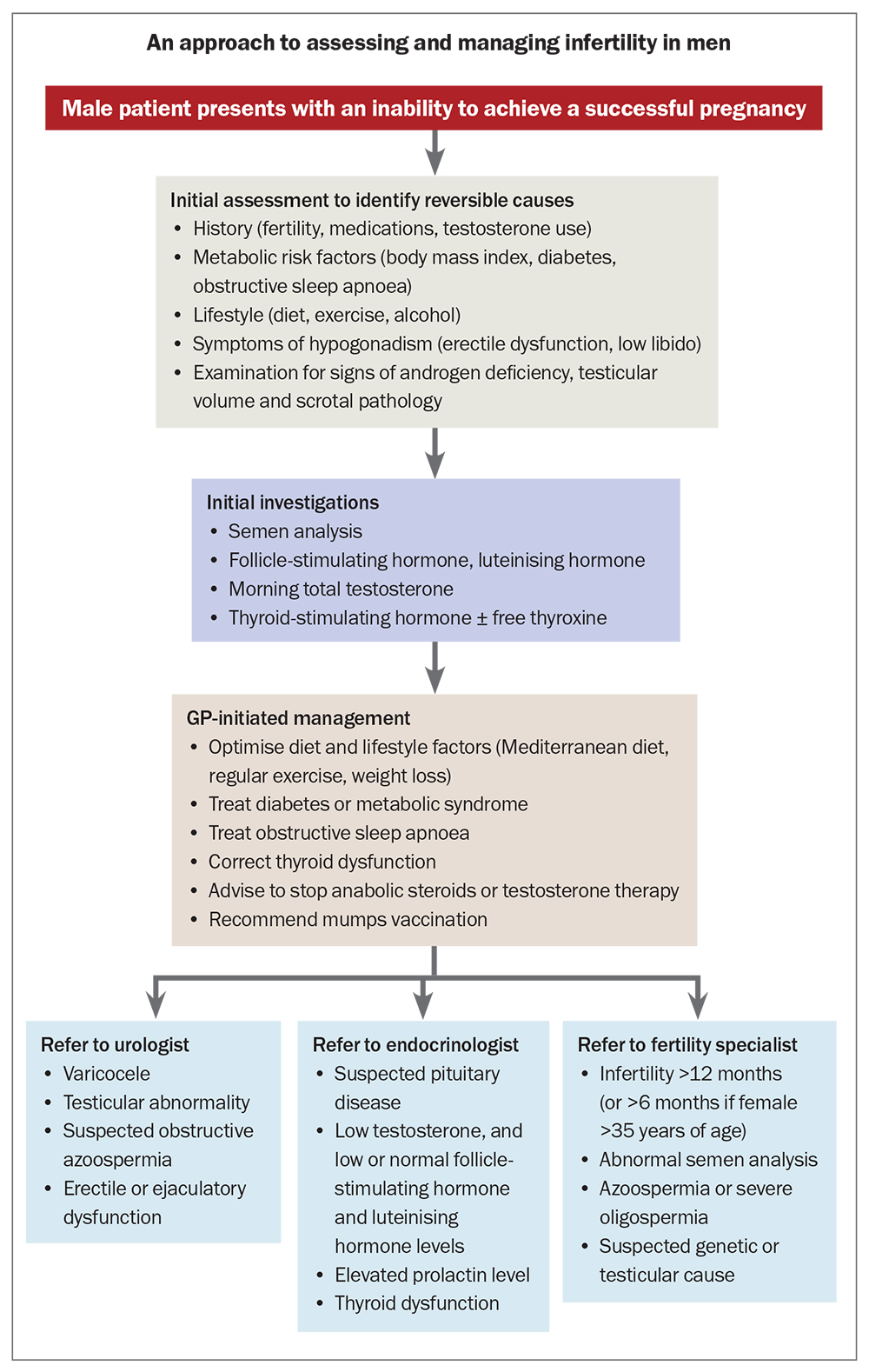
- Male factors contribute to up to 50% of infertility cases, yet men are often underinvestigated. Initial GP evaluation should include semen analysis and endocrine testing with follicle-stimulating hormone, luteinising hormone, thyroid-stimulating hormone, free thyroxine and morning total testosterone levels.
- Disruption of the hypothalamic–pituitary–gonadal axis, including hypogonadotropic hypogonadism, hyperprolactinaemia, thyroid dysfunction and exogenous androgen use, can impair spermatogenesis and may be reversible with targeted treatment.
- Obesity is strongly associated with reduced sperm concentration, motility and morphology. Mechanisms include increased aromatisation of testosterone to oestradiol, functional hypogonadotropic hypogonadism, inflammation, oxidative stress and impaired testicular thermoregulation.
- Metabolic comorbidities such as type 2 diabetes, metabolic syndrome and obstructive sleep apnoea independently impair fertility.
- Lifestyle intervention is first line management and may improve semen quality within months. This includes dietary modification, such as a Mediterranean-style diet, and regular exercise. Evidence for pharmacotherapy with agents such as glucagon-like peptide-1 receptor agonists and metformin, and for bariatric surgery, remains mixed.
- GPs play a crucial preventive and optimisation role by screening for endocrine and metabolic risk factors, recommending mumps vaccination, counselling against exogenous testosterone use and implementing chronic disease management.
Infertility is a complex reproductive health challenge with multifactorial origins. According to the WHO’s most recent global estimates, about one in six individuals of reproductive age will experience infertility at some point in their lives. Infertility has historically been defined as the failure to achieve a clinical pregnancy after 12 months of regular unprotected sexual intercourse.1,2 However, a more recent expanded consensus definition includes the inability to achieve a successful pregnancy based on a patient’s medical, sexual and reproductive history, including age, physical findings, diagnostic testing or any combination of these factors.3
Infertility frequently arises from an interplay of male, female, combined and unexplained factors, often underpinned by hormonal dysregulation, reproductive endocrine pathologies, lifestyle influences and environmental exposures.1 Men are often overlooked in the initial assessment of couples presenting with infertility, despite male factors being the primary aetiology in 20% of cases and contributing to 50% of cases overall.4 Clinically, male infertility is traditionally described in terms of abnormalities in sperm quantity, such as oligozoospermia or azoospermia, and sperm quality, such as reduced motility or abnormal morphology.
This article provides an overview of endocrine influences on male fertility, the mechanisms by which obesity and metabolic syndrome impair male reproductive function, the current evidence for available interventions, and the role of the GP in the assessment, optimisation and management of the male partner in couples presenting with infertility.
Aetiology
The aetiology of male infertility can be broadly classified into the following categories:5
- pre-testicular causes, including systemic and endocrine disorders that impair hypothalamic–pituitary–gonadal function, such as hypogonadotrophic hypogonadism, which can be idiopathic or secondary to pituitary neoplasms, genetic syndromes, trauma, medications or systemic conditions such as thyroid disorders and obesity
- testicular causes, which are the most common and involve intrinsic spermatogenic disorders, including genetic causes, varicocele, cryptorchidism, infection, injury or trauma, primary ciliary dyskinesia and gonadotoxic exposures such as chemotherapy or radiotherapy
- post-testicular causes, which relate to impaired sperm transport or delivery and include congenital absence of the vas deferens, vasectomy, and ejaculatory or sexual dysfunction such as erectile dysfunction or premature ejaculation.
Notably, an accelerating decline in male reproductive parameters has been observed over recent decades, with some reports suggesting that average sperm count and sperm concentration have fallen by more than 50% worldwide.6 However, the extent to which these changes translate into reduced fertility remains uncertain, as reproductive outcomes are influenced by multiple biological, social and environmental factors beyond semen quality. As highlighted in the recently published first Australian evidence-based guidelines on male infertility, male fertility is increasingly recognised as a sensitive indicator of overall male health, reflecting the cumulative effects of metabolic, endocrine and environmental influences across the lifespan.2 Accordingly, the observed decline in male reproductive function is likely driven, at least in part, by the growing burden of chronic disease, including obesity and related comorbidities such as type 2 diabetes, which are increasingly linked to adverse reproductive and fertility outcomes.7 Primary care clinicians play a crucial role in identifying and modifying these risk factors, offering a key opportunity for early intervention and preventive health measures in men of reproductive age.
Endocrine influences
The hypothalamic–pituitary–gonadal axis is central to the regulation of male reproductive hormones, and disturbances at any level may impair spermatogenesis and fertility.8 Although endocrine causes are relatively uncommon, they must be considered because they are treatable and often overlooked. A summary of endocrine influences on the hypothalamic–pituitary–gonadal axis is shown in Figure 1.9
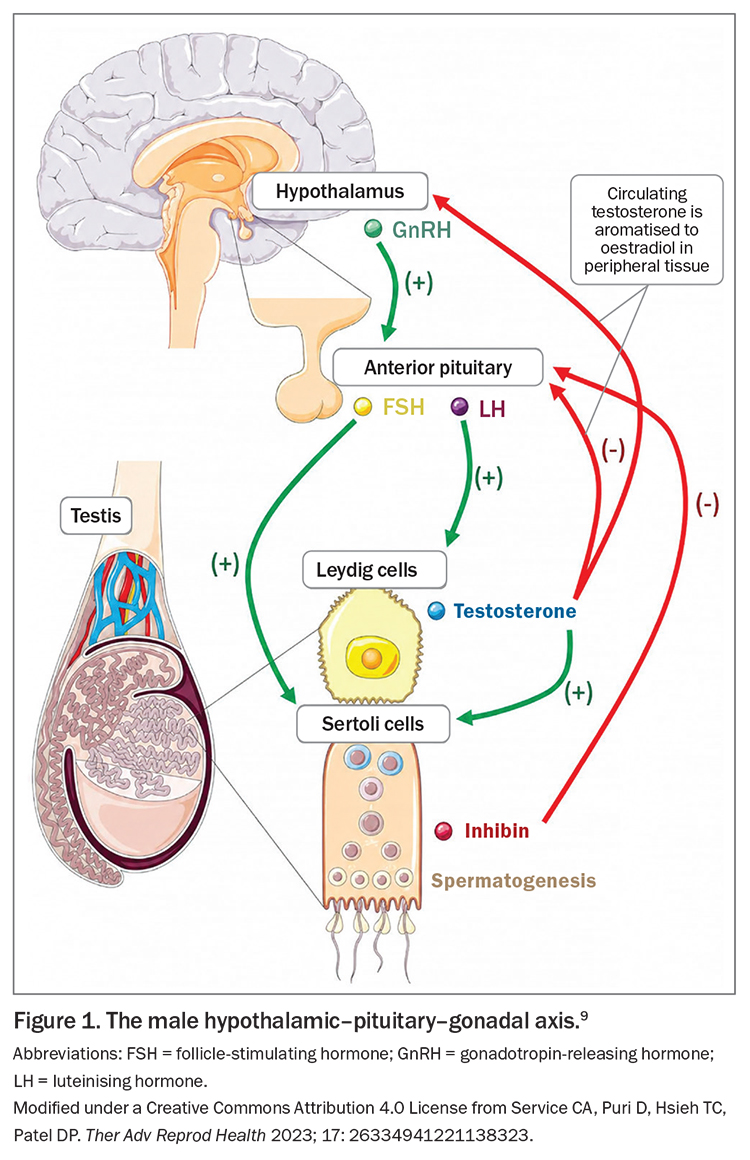
Initial endocrine assessment typically includes measurement of follicle-stimulating hormone, luteinising hormone, thyroid-stimulating hormone, free thyroxine and morning total testosterone. Where abnormalities are identified, further evaluation of sex hormone-binding globulin and prolactin is recommended.2
Hypogonadotrophic hypogonadism
Hypogonadotrophic hypogonadism is a key central endocrine cause of male infertility and is characterised by impaired hypothalamic gonadotropin-releasing hormone secretion. The expected biochemical profile includes low follicle-stimulating hormone, luteinising hormone and testosterone levels, with prolactin levels that are normal or elevated. Clinically, affected men may present with reduced libido, erectile dysfunction, infertility, decreased body hair and reduced muscle mass.10
Congenital causes include idiopathic hypogonadotrophic hypogonadism and Kallmann syndrome, the latter distinguished by associated anosmia and typically presenting with absent or incomplete pubertal development. Acquired hypogonadotrophic hypogonadism may result from pituitary or hypothalamic pathology, including prolactinomas, infiltrative disease, traumatic brain injury, surgery or radiotherapy, all of which disrupt hypothalamic–pituitary integrity.10
Importantly, functional hypogonadotrophic hypogonadism may arise in the absence of structural pathology. It is increasingly recognised in association with systemic metabolic conditions such as obesity and metabolic syndrome, as well as in men who are underweight or who engage in excessive exercise. Exogenous androgens, including testosterone therapy and anabolic steroids, are also well-established contributors through suppression of gonadotropin-releasing hormone pulsatility.11
Prolactinomas
Prolactinomas are the most common functional pituitary adenoma contributing to male infertility.12 The hormone profile typically demonstrates elevated prolactin, inappropriately normal or low gonadotropin levels and low testosterone levels, because of inhibition of hypothalamic gonadotropin-releasing hormone secretion.12 Clinical presentation may include headaches and visual field defects from mass effect, with gynaecomastia and galactorrhoea occurring less frequently.13 Dopamine agonist therapy with cabergoline or bromocriptine is highly effective in normalising prolactin levels and improving fertility outcomes after a pituitary MRI has excluded features requiring alternative management.2,12,13
Thyroid dysfunction
Both overt hypothyroidism and hyperthyroidism are also associated with male infertility, contributing to alterations in semen parameters, as well as erectile and ejaculatory dysfunction.14 Thyroid hormones influence gonadotropin secretion and interact with both sex hormone-binding globulin and testosterone homeostasis. Restoration of euthyroidism is associated with improvements in fertility outcomes in these patients.14
Metabolic influences
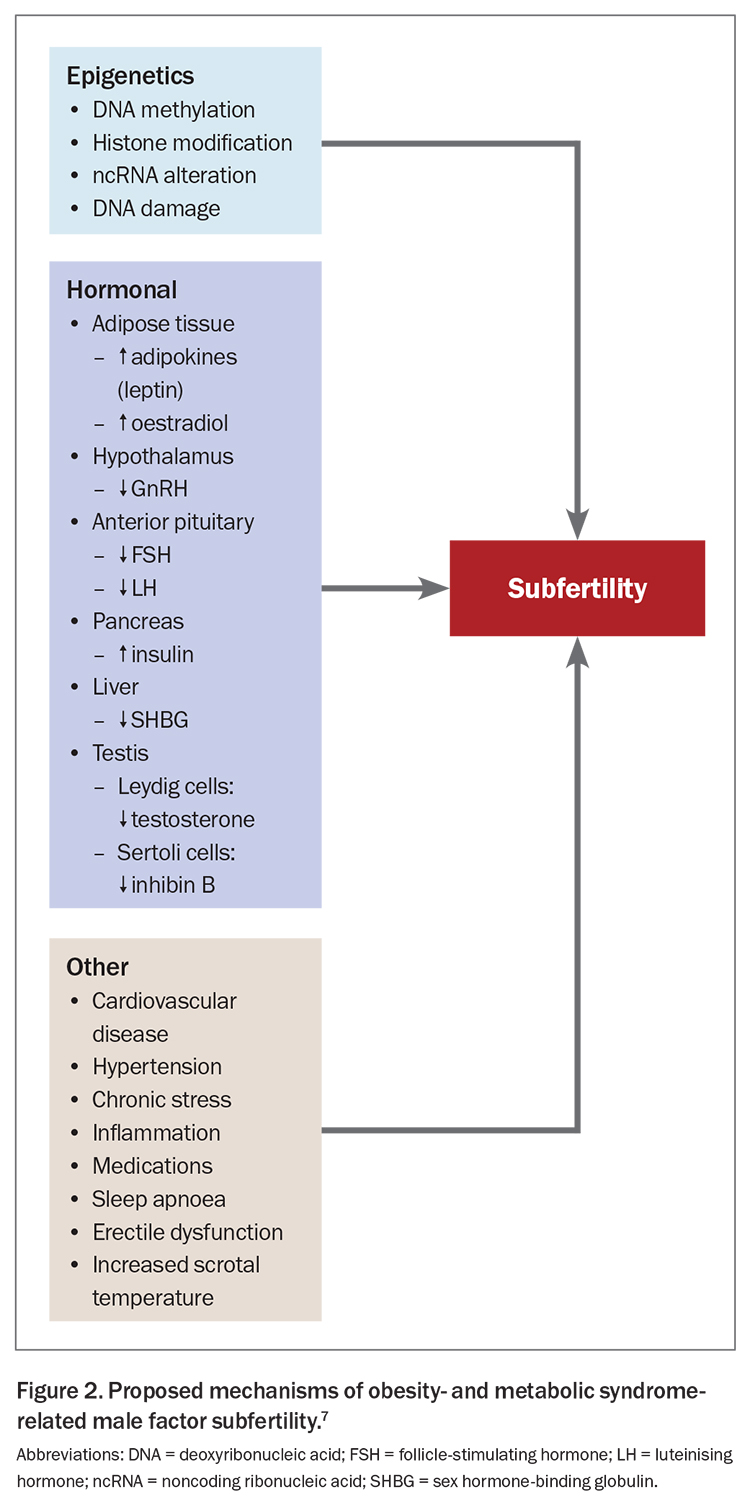
Metabolic health has a substantial impact on male reproductive function, with obesity, insulin resistance, type 2 diabetes mellitus (T2DM), metabolic syndrome and obstructive sleep apnoea all associated with impaired fertility outcomes. These conditions may affect spermatogenesis through overlapping endocrine, inflammatory, oxidative and epigenetic mechanisms, as well as through effects on sexual function and overall cardiometabolic health (Figure 2).7 Recognising these associations is important in primary care, as metabolic risk factors are common, potentially modifiable and may provide an opportunity to improve both fertility and long-term health outcomes.
Obesity
Obesity has emerged as one of the most significant and potentially reversible contributors to male infertility. This is particularly relevant given that about 40% of men of reproductive age in western countries are considered obese and infertility rates are up to 50% higher in men with obesity compared with men of normal weight.15,16 There is a well-documented correlation between increasing body mass index (BMI) and deterioration in semen parameters, including reduced sperm concentration, semen volume, total motile sperm count and abnormal morphology.7 These deleterious changes are mediated through several interrelated mechanisms.
Firstly, excess adipose tissue increases aromatase activity, leading to enhanced conversion of testosterone to oestradiol. Elevated oestradiol levels result in negative feedback at the level of the hypothalamus and pituitary, contributing to functional hypogonadotrophic hypogonadism and reduced intratesticular testosterone concentrations, which are essential for spermatogenesis.17,18 Low testosterone in men with obesity is usually secondary and reversible; testosterone supplementation is counterproductive in this setting.
Beyond hormonal disruption, spermatogenesis is also negatively impacted by other mechanisms in men with obesity. Increased systemic inflammation and oxidative stress also adversely affect sperm production and function, driven by altered levels of endocrine disruptors such as insulin, leptin, cortisol, cytokines and adipokines.19 Additionally, the increased hip, abdominal and scrotal adiposity contributes to impaired thermoregulation of the testes, further compromising spermatogenesis.7
There is growing interest in the relationship between obesity and sperm DNA integrity. Several studies suggest a link between male obesity and sperm DNA fragmentation, however the data remain inconclusive.7 Paternal obesity may also negatively impact embryo implantation, with mounting evidence suggesting an effect on sperm DNA methylation.7 Additionally, experimental evidence suggests that obesity-associated inflammatory changes in seminal plasma may influence the uterine immune environment after conception.20
Consistent with these findings, multiple studies demonstrate poorer assisted reproductive technology outcomes with increasing male BMI, even after controlling for BMI of the female partner. Increasing paternal adiposity has been associated with reduced clinical pregnancy rates, reduced live birth rates and increased miscarriage rates.21 If pregnancy is achieved, emerging evidence has linked obesity-related epigenetic alterations in sperm to changes in offspring metabolic health, such as insulin resistance and increased body weight, as well as possible neurobehavioural changes and disease susceptibility.22
Finally, obesity-related comorbidities further compound reproductive risk. Cardiovascular disease, T2DM, insulin resistance, obstructive sleep apnoea and erectile dysfunction are all independent risk factors for impaired male fertility.23
The proposed mechanisms through which obesity can impact male factor subfertility are summarised in Figure 2.7 Collectively, these hormonal, inflammatory, oxidative and epigenetic disruptors help to explain how obesity can reduce overall male fertility, highlighting the importance of weight management in couples seeking conception.
Type 2 diabetes mellitus
The impact of male T2DM on fertility is an area of active investigation. Although data remain limited, several studies suggest a correlation between T2DM and impaired semen quality.24,25 One study demonstrated significantly reduced sperm count, motility and morphology in men with T2DM compared with controls, independent of BMI.24 T2DM has also been associated with reduced mean sex hormone-binding globulin levels, and insulin resistance alone appears to confer an increased risk of proinflammatory semen markers and sperm DNA fragmentation.25
Metabolic syndrome
Metabolic syndrome, defined by the presence of insulin resistance, central obesity, increased triglyceride levels, lower high-density lipoprotein cholesterol levels and hypertension, is increasingly recognised among reproductive-age men presenting for infertility evaluation.26 One study reported that one in 10 white European men in this context met the diagnostic criteria for metabolic syndrome.27
Several observational studies have explored the mechanism by which metabolic syndrome relates to male reproductive health. A large cross-sectional analysis demonstrated impaired semen quality among men with metabolic syndrome, characterised by reduced normal morphology and sperm progressive motility.7 When compared to infertile men without metabolic syndrome, infertile men with metabolic syndrome exhibited significantly lower circulating reproductive hormones levels, including total testosterone, sex hormone-binding globulin, inhibin B and anti-Müllerian hormone, although conventional semen parameters were similar.27
Obstructive sleep apnoea
Obstructive sleep apnoea, often comorbid with obesity, is an independent risk factor for impaired sperm motility and vitality. Intermittent hypoxia appears to be a key mediator, with greater severity of obstructive sleep apnoea correlating with more pronounced spermatogenic impairment.28
Managing male infertility
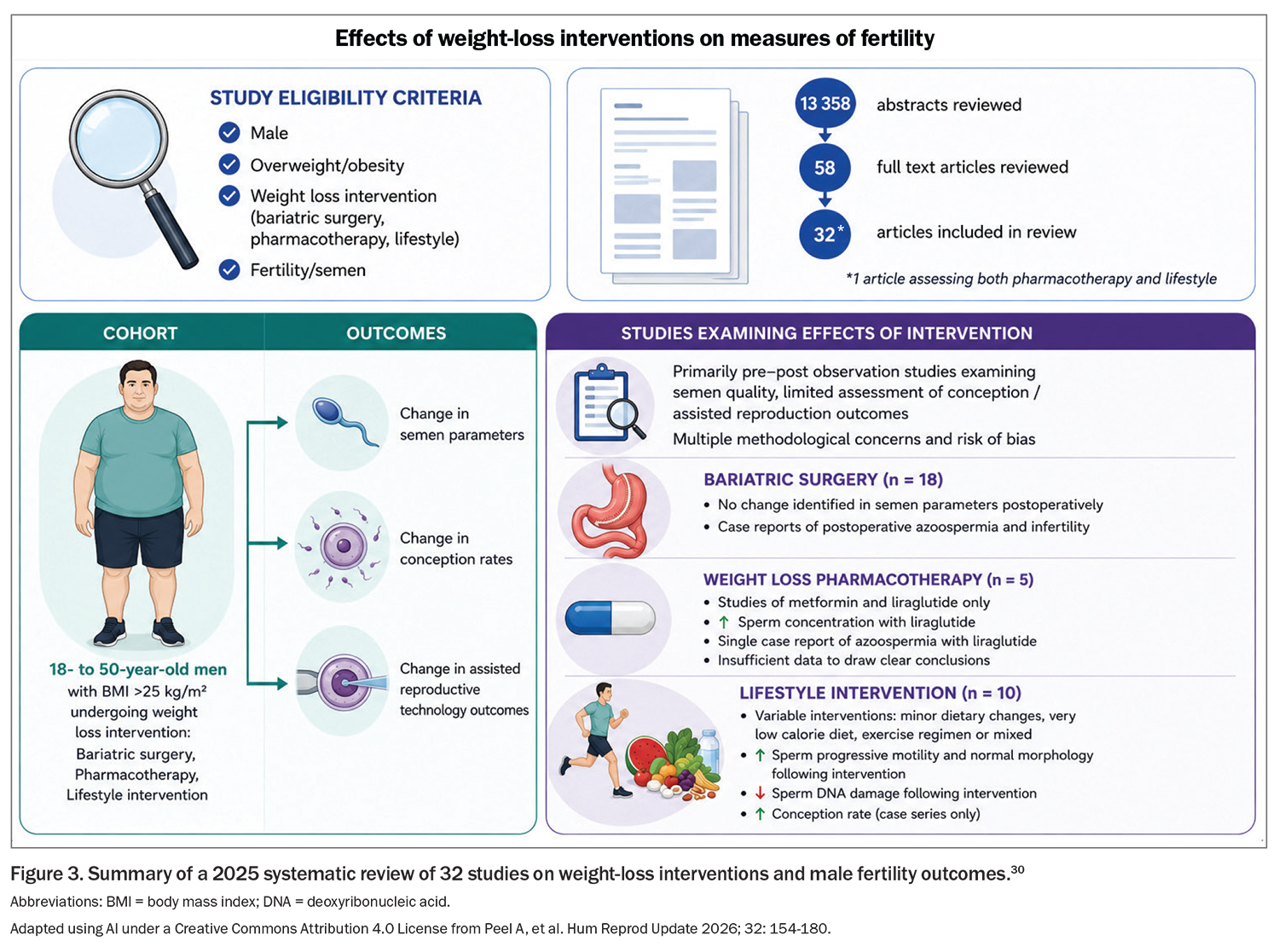
Given the significant and modifiable impact of metabolic health on male fertility, optimisation of weight and associated comorbidities before fertility referral is essential.29 GPs are uniquely placed to offer care for men in this context, and interventions may include lifestyle changes, medication (e.g. metformin, glucagon-like peptide-1 [GLP-1] receptor agonists) and bariatric surgery. Recent findings from a 2025 systematic review of the effects of weight loss interventions on measures of fertility are summarised in Figure 3.30
A practical approach to the initial assessment, investigation and management of suspected male infertility is outlined in the Flowchart.
Lifestyle interventions
Lifestyle modification remains the cornerstone of management. Dietary interventions and increased physical activity have been shown to improve sperm quality (motility, morphology and DNA damage) within as little as two to four months, irrespective of the specific intervention used.30 Diets high in ultra-processed foods are associated with poorer semen quality and therefore an increased risk of male infertility, when compared with a Mediterranean-style diet rich in fruits, vegetables, whole grains and monounsaturated fats.31 Exercise improves semen quality through enhanced insulin sensitivity, improved testicular blood flow and reduced inflammation.32 Supportive animal data suggest lifestyle modifications may promptly improve the epigenetic profile of the sperm within as little as three weeks, thus impacting health outcomes of offspring.33 It is important to note that although semen parameters appear to improve with these lifestyle interventions, there are no data to support improvements in fertility or live birth rates.
Pharmacological weight loss interventions and bariatric surgery
Evidence regarding the effects of pharmacological weight loss therapies on male reproductive outcomes remains limited.30 The expression of GLP-1 receptors in the human testis suggests that GLP-1 may exert direct influences on spermatogenic processes. However, available human studies show no consistent change in semen parameters with GLP-1-associated weight loss.34 Although not specific to more frequently used GLP-1 receptor agonists such as semaglutide, a single case report described the gradual onset of azoospermia following commencement of liraglutide, with partial recovery following cessation.35 Data on oral antihyperglycaemic agents such as metformin are similarly mixed, with limited evidence of benefit for sperm morphology.36,37 Interestingly, the seminal concentration of metformin seems to impact sperm function, with low concentration showing a benefit for capacitation and sperm function, whereas higher concentrations impair sperm function.38 In animal models of obesity, GLP-1 receptor agonists and metformin have been associated with improved sperm parameters and reduced testicular inflammation, oxidative stress or sperm DNA damage.30
Although bariatric surgery significantly reduces the burden of metabolic comorbidities in men with obesity, it has not been reliably shown to improve semen parameters or sperm DNA integrity.30 Nutritional insufficiency, particularly micronutrient deficiency, and potential increased exposure to endocrine-disrupting chemicals may contribute to these findings, with isolated reports of postoperative azoospermia.30,39
Conclusion
Male infertility is a multifactorial condition in which metabolic health plays a key role. Evidence increasingly demonstrates that obesity, metabolic syndrome and related comorbidities disrupt reproductive hormone balance, impair spermatogenesis and adversely affect fertility outcomes through complex endocrine, inflammatory, metabolic and epigenetic pathways. Lifestyle-based interventions show the most consistent benefit, whereas pharmacological and surgical weight-loss strategies demonstrate more variable reproductive effects.
GPs play a crucial role in early identification and individualised management, including optimisation of metabolic health, with benefits extending beyond reproductive outcomes to long-term chronic disease prevention. ET
COMPETING INTERESTS: Dr Sekhon: None. Dr Roche has received support to attend meetings held by Merck and Organon. Professor Hart has received payment for expert testimony in legal cases for patients with hyperstimulation syndrome; has received support to attend Merck at European Society of Human Reproduction and Embryology congresses and Merck symposia; is a Board Director of Menopause Alliance Australia and National Medical Director of City Fertility Clinic; and has stock or stock options in CHA Medical Group-Singapore Medical Group.
References
1. World Health Organization (WHO). Infertility. Geneva: WHO; 2025. Available online at: https://www.who.int/news-room/fact-sheets/detail/infertility (accessed April 2026).
2. Katz DJ, O’Donnell L, McLachlan RI, et al. The first Australian evidence-based guidelines on male infertility. Med J Aust 2025; 223: 653-663.
3. Royal Australian and New Zealand College of Obstetricians and Gynaecologists (RANZCOG), Australian and New Zealand Society for Reproductive Endocrinology and Infertility, Fertility Society of Australia and New Zealand. Reproductive specialists expand definition of infertility beyond disease. Melbourne: RANZCOG; 2024. Available online at: https://anzsrei.com/wp-content/uploads/2024/08/ANZSREI_RANZCOG-FSANZ-JointMediaRelease-FinalV4-copy.pdf (accessed April 2026).
4. Halpern JA, Davis AM, Brannigan RE. Diagnosis and treatment of infertility in men. JAMA 2022; 328: 2056-2057.
5. La Vignera S, Condorelli RA, Vicari E, D’Agata R, Calogero AE. Male infertility. In: StatPearls [Internet]. Treasure Island (FL): StatPearls Publishing; 2025. Available online at: https://www.ncbi.nlm.nih.gov/books/NBK562258/ (accessed April 2026).
6. Levine H, Jørgensen N, Martino-Andrade A, et al. Temporal trends in sperm count: a systematic review and meta-regression analysis of samples collected globally in the 20th and 21st centuries. Hum Reprod Update 2022; 29: 157-179.
7. Service CA, Puri D, Al Azzawi S, Hsieh TC, Patel DP. The impact of obesity and metabolic health on male fertility: a systematic review. Fertil Steril 2023; 120: 1098-1111.
8. Sengupta P, Dutta S, Karkada IR, Chinni SV. Endocrinopathies and male infertility. Life (Basel) 2022; 12: 10.
9. Service CA, Puri D, Hsieh TC, Patel DP. Emerging concepts in male contraception: a narrative review of novel, hormonal and non-hormonal options. Ther Adv Reprod Health 2023; 17: 26334941221138323.
10. Salenave S, Trabado S, Maione L, Brailly-Tabard S, Young J. Male acquired hypogonadotropic hypogonadism: diagnosis and treatment. Ann Endocrinol (Paris) 2012; 73: 141-146.
11. Duca Y, Aversa A, Condorelli RA, et al. Substance abuse and male hypogonadism. J Clin Med 2019; 8: 732.
12. Ambulkar SS, Darves-Bornoz AL, Fantus RJ, et al. Prevalence of hyperprolactinemia and clinically apparent prolactinomas in men undergoing fertility evaluation. Urology 2022; 159: 114-119.
13. Auriemma RS, Pirchio R, Pivonello C, Garifalos F, Colao A, Pivonello R. Approach to the patient with prolactinoma. J Clin Endocrinol Metab 2023; 108: 2400-2423.
14. Tan J, Yang YY, Yin Y, Xin Q, Ge XC. Research on the impact of thyroid disorders on reproductive function: a narrative review. J Clin Med Res 2025; 17: 409-422.
15. Hales CM, Carroll MD, Fryar CD, Ogden CL. Prevalence of obesity and severe obesity among adults: United States, 2017-2018. NCHS Data Brief 2020; 360: 1-8.
16. Campbell JM, McPherson NO. Influence of increased paternal BMI on pregnancy and child health outcomes independent of maternal effects: a systematic review and meta-analysis. Obes Res Clin Pract 2019; 13: 511-521
17. Chambers TJG, Anderson RA. The impact of obesity on male fertility. Hormones (Athens) 2015; 14: 563-568.
18. Liu Y, Ding Z. Obesity, a serious etiologic factor for male subfertility in modern society. Reproduction 2017; 154: R123-R131.
19. Palmer NO, Bakos HW, Fullston T, Lane M. Impact of obesity on male fertility, sperm function and molecular composition. Spermatogenesis 2012; 2: 253-263.
20. Umul M, Köse SA, Bilen E, Altuncu AG, Oksay T, Güney M. Effect of increasing paternal body mass index on pregnancy and live birth rates in couples undergoing intracytoplasmic sperm injection. Andrologia 2015; 47: 360-364.
21. Schjenken JE, Moldenhauer LM, Sharkey DJ, et al. High-fat diet alters male seminal plasma composition to impair female immune adaptation for pregnancy in mice. Endocrinology 2021; 162: bqab123.
22. Akhatova A, Jones C, Coward K, Yeste M. How do lifestyle and environmental factors influence the sperm epigenome? Effects on sperm fertilising ability, embryo development, and offspring health. Clin Epigenetics 2025; 17: 7.
23. Leisegang K, Sengupta P, Agarwal A, Henkel R. Obesity and male infertility: mechanisms and management. Andrologia 2021; 53: e13617.
24. Abbasi Hormozi S, Kouhkan A, Shahverdi A, Vesali S, Parhizkar A, Abbasihormozi SH. How much obesity and diabetes do impair male fertility? Reprod Biol Endocrinol 2023; 21: 48.
25. Belladelli F, Boeri L, Pozzi E, et al. Triglycerides/glucose index is associated with sperm parameters and sperm DNA fragmentation in primary infertile men: a cross-sectional study. Metabolites 2022; 12: 143.
26. American Heart Association (AHA). What is metabolic syndrome? Dallas: AHA; 2023. Available online at: https://www.heart.org/en/health-topics/metabolic-syndrome/about-metabolic-syndrome (accessed April 2026).
27. Ventimiglia E, Capogrosso P, Colicchia M, et al. Metabolic syndrome in white European men presenting for primary couple’s infertility: investigation of the clinical and reproductive burden. Andrology 2016; 4: 944-951.
28. Wang Z, Zhang Q, Ding J, et al. Effect of obstructive sleep apnea on semen quality. Sleep Breath 2023; 27: 2341-2349.
29. Healthy Male. Preconception health checklist for men. Melbourne: Healthy Male; 2026. Available online at: https://healthymale.org.au/health-article/preconception-health-checklist-men (accessed April 2026).
30. Peel A, Lyons H, Tully CA, et al. The effect of obesity interventions on male fertility: a systematic review and meta-analysis. Hum Reprod Update 2026; 32: 154-180.
31. Cristodoro M, Zambella E, Fietta I, Inversetti A, Di Simone N. Dietary patterns and fertility. Biology (Basel) 2024; 13: 131.
32. Abedpoor N, Taghian F, Hajibabaie F. Exploring the dynamics of exercise intensity on male fertility and reproductive health: advancements and implications for fertility research. Front Reprod Health 2024; 6: 1423916.
33. Tomar A, Gomez-Velazquez M, Gerlini R, et al. Epigenetic inheritance of diet-induced and sperm-borne mitochondrial RNAs. Nature 2024; 630: 720-727.
34. Andersen E, Juhl CR, Kjøller ET, et al. Sperm count is increased by diet-induced weight loss and maintained by exercise or GLP-1 analogue treatment: a randomized controlled trial. Hum Reprod 2022; 37: 1414-1422.
35. Fontoura P, Cardoso MC, Erthal-Martins MC, Werneck C, Sartorio C, Ramos CF. The effects of liraglutide on male fertility: a case report. Reprod Biomed Online 2014; 29: 644-646.
36. Morgante G, Tosti C, Orvieto R, Musacchio MC, Piomboni P, De Leo V. Metformin improves semen characteristics of oligo-terato-asthenozoospermic men with metabolic syndrome. Fertil Steril 2011; 95: 2150-2152.
37. Raghif ARA. Effects of metformin on hormonal profile and seminal fluid analysis in obese infertile male. Iraqi J Med Sci 2016; 13 (3).
38. Yang Y, Chen H, Weng S, et al. In vitro exposure to metformin activates human spermatozoa at therapeutically relevant concentrations. Andrology 2020; 8: 663-670.
39. Razzaq A, Soomro FH, Siddiq G, Khizar S, Ali Khan M. Decrease in sperm count after bariatric surgery: case reports. Cureus 2021; 13: e20388.
Single article purchases are temporarily unavailable due to site maintenance.
If you would like to purchase an article during this time, please email us at [email protected] with the article details and we'll assist you directly. We'll also let you know when online purchasing is available again.
Thank you for your patience and understanding.