

Does hot weather increase hypoglycaemia risk in type 1 diabetes?
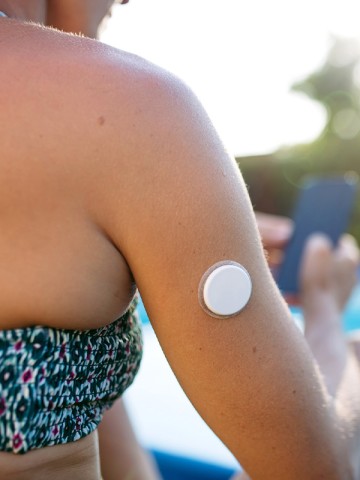
Higher ambient temperatures are associated with an increased short-term risk of hypoglycaemia in adults with type 1 diabetes, a case time series analysis reports.
People with type 1 diabetes often reported seasonal variation in glucose control, but clinical guidance did not clearly define whether heat increased the risk of hypoglycaemia or hyperglycaemia, the study authors explained in Diabetes Care.
Commenting on the analysis, Dr Jennifer Snaith, Staff Specialist Endocrinologist at St Vincent’s Hospital Sydney, said, ‘Temperature may influence glycaemia through multiple pathways. One key postulated mechanism is altered absorption of subcutaneous insulin, which may be increased in warmer conditions due to enhanced cutaneous blood flow.’
Researchers analysed 33 million continuous glucose readings from 679 adults with type 1 diabetes attending two UK clinics between 2017 and 2024, linking individual-level glucose data with daily mean outdoor temperature at the participant’s residential postcode. Higher temperatures were associated with an increased risk of hypoglycaemia, defined as glucose levels below 3.9 mmol/L for at least 15 minutes. Risk increased nonlinearly above 13°C, with an odds ratio of 1.26 at 25°C compared with 13°C.
Smaller increases in risk were also observed at low temperatures. The effect of heat was most pronounced on the same day as exposure and diminished over subsequent days. In secondary analyses, higher temperatures were associated with lower mean glucose levels.
Seasonal variation was also observed, with lower odds of hypoglycaemia in late winter and early spring and higher odds during summer months.
‘It remains unclear whether [the association between hot weather and hypoglycaemia] is directly related to temperature itself, or [if it] reflects unmeasured confounders, such as increased physical activity or reduced appetite during warmer weather, or other behavioural disruptions that change with seasonal temperature effects,’ Dr Snaith told Endocrinology Today.
The study authors noted that the findings were based on a population and climate in the southeast of England, which might limit generalisability to other settings. They concluded that rising temperatures may increase hypoglycaemia risk and suggested that insulin dosing strategies and automated insulin delivery systems might need to account for ambient temperature.
Dr Snaith said that patients might be unaware of the association between warmer weather and hypoglycaemia.
‘GPs may counsel patients that close glucose monitoring and insulin dose reduction may be advisable during warm weather or when travelling to warmer climates,’ she added.
Diabetes Care 2026; 49: 1-7; https://doi.org/10.2337/dc25-2383.
This summary includes content created using editorial tools, including AI, and was reviewed by editors prior to publication.